
When Sgt. Stephon Burgette walked into Lackawanna County Central Court earlier this month, the community’s shock focused on the breach of public trust.
But for many experts in the field of recovery, the charges — allegations he stole cocaine from an evidence room to feed a personal habit — underscore a quieter, more systemic crisis behind the badge.
While the public sees a respected officer, experts say the reality of modern policing often involves a crushing cycle of trauma and hypervigilance that can lead even the most decorated “rescuers” to a place where they themselves need rescuing.
Burgette, who had obtained his rank within the last 18 months, said during a June ceremony things had been going really well. He’d adapted to his new position.
But five months later fellow officers found Burgette unresponsive and slumped over at his desk with an evidence bag missing 6 grams of cocaine nearby. When he eventually “came to,” he appeared highly impaired and was transported to the hospital, they said.
Prosecutors charged Burgette on Jan. 9 with misdemeanor counts of tampering with evidence, possession of a controlled substance and obstructing the administration of law.
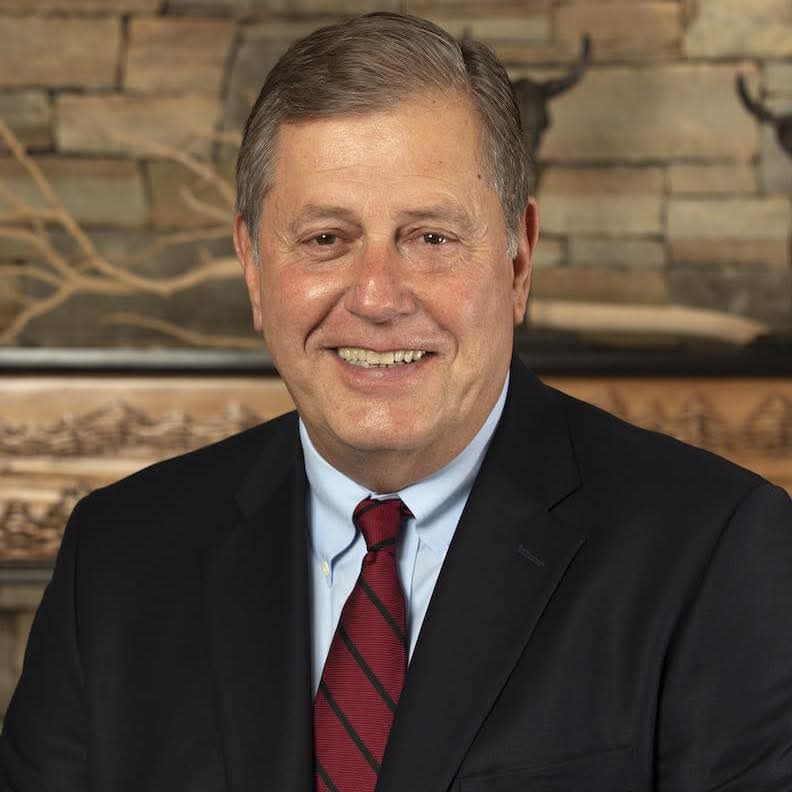
Colangelo (SUBMITTED)
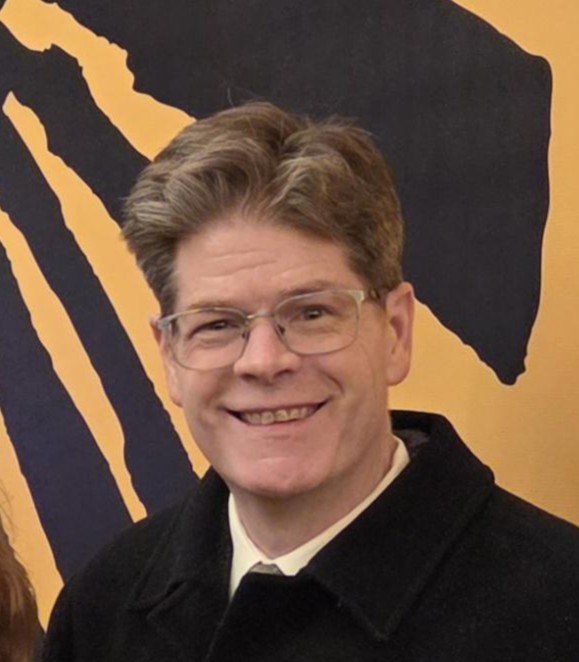
Grier (SUBMITTED)
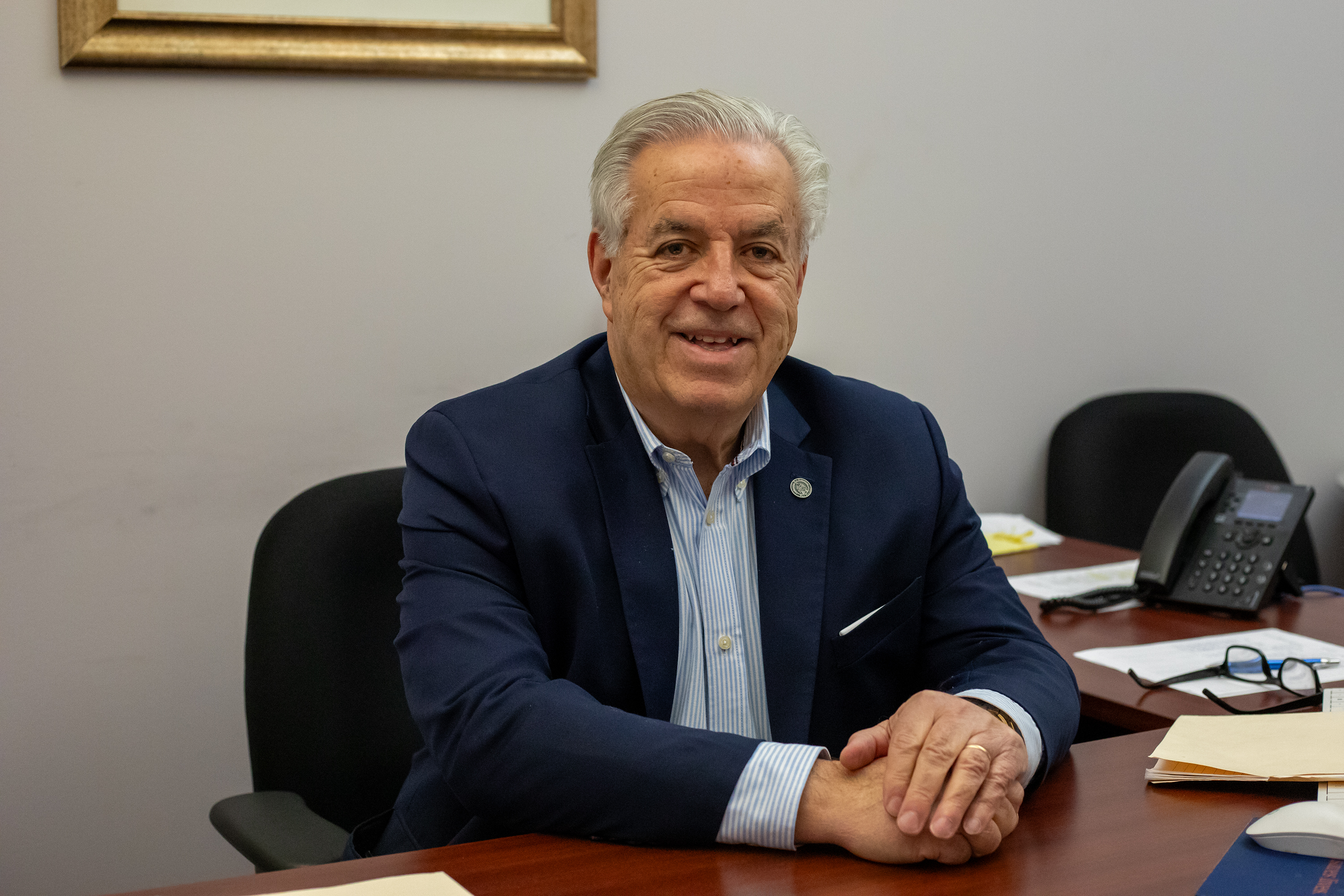
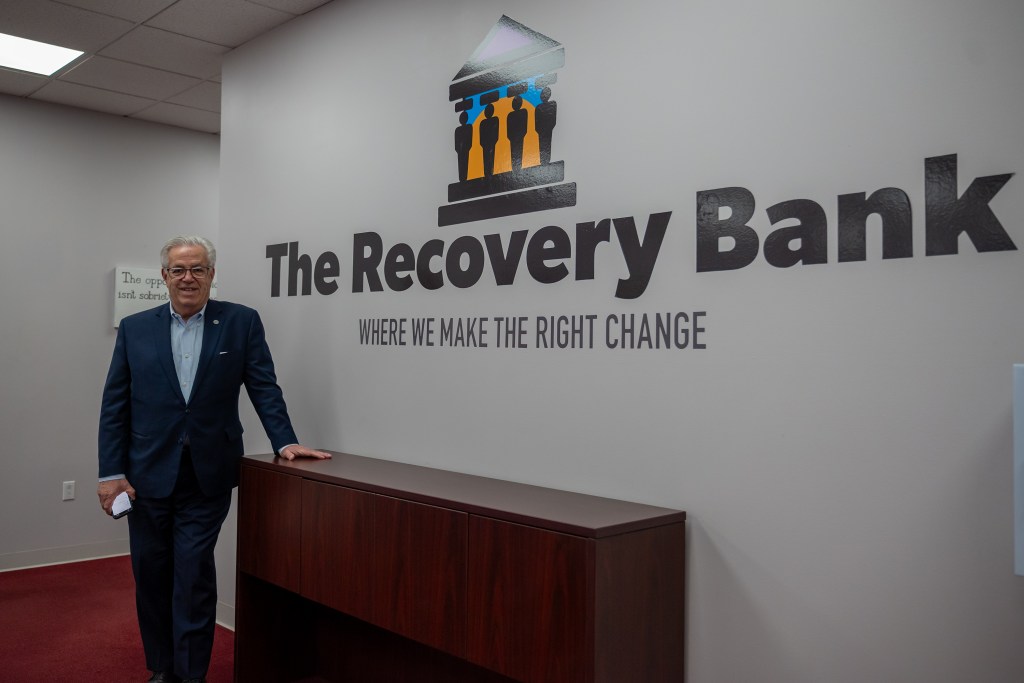
The Recovery Bank President/CEO Frank Bolock the organization’s location in Scranton on Thursday, Jan. 22, 2026. (REBECCA PARTICKA/STAFF PHOTOGRAPHER)
Show Caption
1 of 3
Colangelo (SUBMITTED)
He confessed to investigators he had been using cocaine from the evidence room for several months because of the stress of family problems — a revelation all too familiar to experts who deal with drug treatment.
Frank Bolock, president and CEO of the Treatment Court Advocacy Center of the Recovery Bank of Scranton, points out that, despite their service to the community and self-sacrifice, law enforcement officers and other first responders face the same risk for addiction as everyone else.
Bolock puts that number at about 10% of the general public.
But, because members of law enforcement have challenges unique to them, including trauma, there are hospital-based programs and support groups specifically geared to them.
The Recovery Bank has a 12-step group program for first responders and police struggling with substance abuse. The group meets weekly.
Geisinger Marworth Treatment Center also offers inpatient addiction treatment specifically for uniformed professionals.
The program allows police officers, firefighters and even dispatchers to come together and discuss the unique challenges they face as they attempt to recover.
“They rescue people and they help others. It’s hard for them to ask for help,” said Michael Grier, counseling manager at Marworth.
Nicholas Colangelo oversaw recovery treatment facilities for more than four decades. He said a law enforcement officer is as powerless over substance abuse as anyone else.
“It’s impossible to stop,” said Colangelo, who likened it to trying to stop midair while free-falling from an airplane. “It takes intervention, treatment.”
Colangelo, himself in a 12-step program, said people of all professions and economic statuses come together at meetings to share their experiences and hope.
Success and life challenges
Before the evidence bag was found, Burgette’s trajectory was a model of local success: Scranton High football standout, professional boxer, and a swift rise to sergeant within seven years on the force.
But during an interview with investigators on Dec. 9, Burgette admitted he had endured family problems and had been using cocaine. Months removed from his promotion, Burgette was caught in a crushing cycle and in the midst of a divorce. His wife of 10 years filed for the divorce in August 2025, court records show.
Law enforcement officers are not exempt from family problems, Colangelo points out, but an officer’s reluctance to seek treatment complicates the path to recovery.
Confidentiality is a common concern for first responders participating in the Licensed Uniform Professionals Program, Grier agrees.
Grier, who could not speak to whether an officer would get his job back, said when it comes to employers, the center only reports if a client is cooperating, if they completed the program and their plans for maintenance after completion.
That treatment is only the beginning of recovery, Grier said.
Those completing the program, including law enforcement, are directed to attend 12-step meetings. Many return to Marworth to speak to officers in the first steps of recovery to share experiences, strength and hope with those new to the program.
Uncertain future
Pennsylvania law states that a police officer cannot be hired if he has been convicted of a “serious misdemeanor.”
The “Confidence in Law Enforcement Act,” which passed in 2004, requires an officer convicted of such an offense to be terminated.
The implications of this law in Burgette’s case remain unclear.
He is currently on administrative leave without pay. His case is pending in Lackawanna County Court.
The tampering and obstruction charges are each second-degree misdemeanors, while the possession offense is listed only as a misdemeanor, without a degree. A second-degree misdemeanor is punishable by up to two years in prison and a fine between $500 and $5,000.
Burgette waived his preliminary hearing Jan. 9 and his case was transferred to county court.
During that hearing, he entered a plea of “not guilty.”
District Attorney Brian Gallagher said his office conducted an independent inventory of the Dunmore police evidence room.
When asked if any prosecutions had been compromised, Gallagher said his office was continuing to investigate.
While the legal system determines the fate of the officer, the recovery community remains focused on the man. For experts like Grier and Colangelo, Burgette’s case is a public reminder of a private struggle — one where the hardest part of the job isn’t the patrol, but the admission of needing help. As his case moves through Lackawanna County Court, the “rescuer” now finds himself in the unfamiliar territory of the rescued, facing a long road where the goal isn’t a badge, but sobriety.