
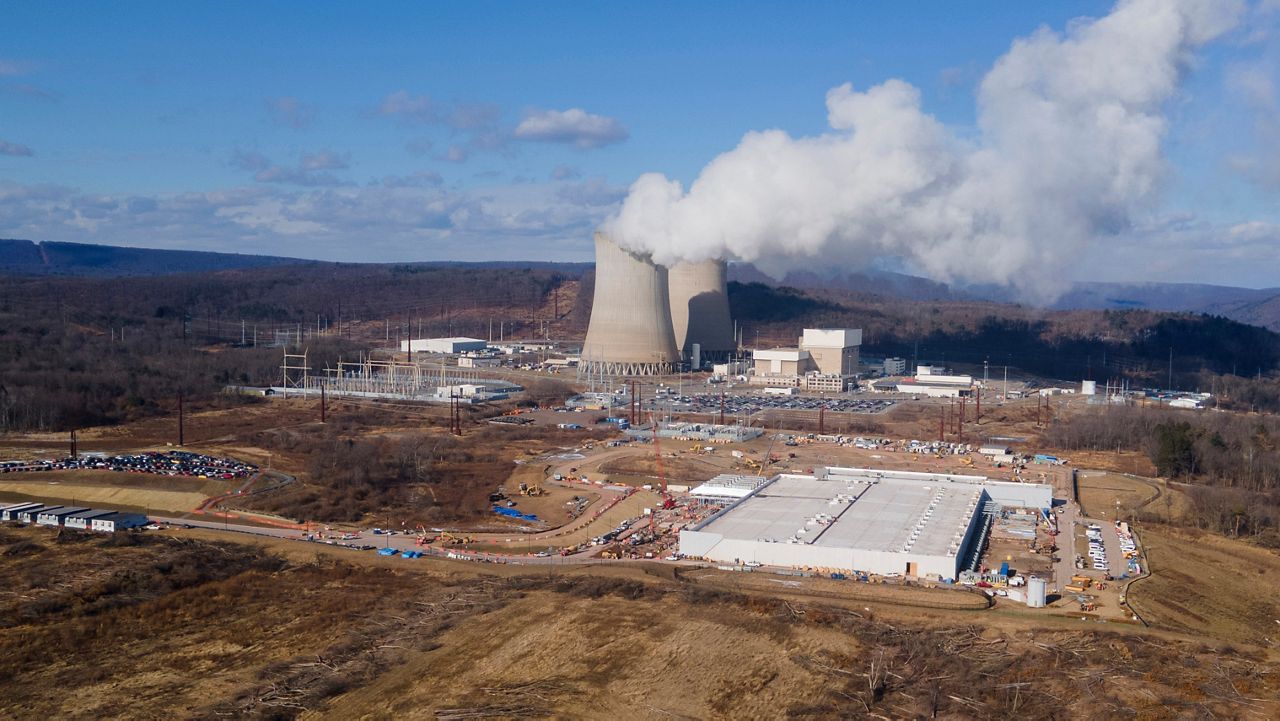
AUSTIN, Texas — The City of Austin released an AI Impact Report that details the affect data centers will have on city power usage.
The report details what ERCOT estimates will be the increased wattage of electricity needed. Typically, AI data centers request 300 megawatts (MW) of electricity, but some might seek up to 11,000 MW.
The report also outlined how the power usage compares to the Austin area, along with the total usage for the state of Texas.
“Austin Energy peak load today is just over 3 GW, and we serve approximately 570,000 customers. ERCOT’s peak demand is currently 85.5 GW, and they are projecting another 70.5 GW of new load by 2028 primarily due to data centers,” the reported stated. “The full amount forecasted may not materialize, but the sheer magnitude and speed of the new requests represent significant challenges.”
The report stated that while Central Texas has been able to keep up with the growth and demand for energy, AI data centers will cause the load to be upped significantly for the area, putting stress on local and statewide grids.
“ERCOT is currently projecting that systemwide load could double by 2028 and to support this new load, significant upgrades are required in both transmission and generation throughout the grid,” the report stated. “Transmission takes on average 5-8 years to build and generation 3-5 years to build. Since 2020, the electric utility supply chain lead times have increased substantially and remain double what they have been historically.”
Senate Bill 6, which passed in June, will increase state regulation on large users of electricity and will require an interconnection study by the state. However, for those below 75 MW, Austin Energy will have a different approach.
The key provisions include cost sharing, grid reliability measures, transparency and planning, demand management programs and transmission cost evaluation — all of which are there to maintain a reliable gride in response to Winter Storm Uri, according to the report.
The report also stated that electricity rates are likely to rise, but the city is committed to following the Resource, Generation and Climate Protection Plan to 2035, along with energy efficiency.
“While large loads such as data centers pose significant challenges to the grid, when interconnected in the right way, they have an opportunity to be part of Austin’s clean energy future,” the report stated. “For example, taking an interruptible service for when the grid is stressed and/or having onsite solar, batteries, and peaking generation all provide opportunities to strengthen our grid. Additionally, we can minimize the risk to our existing customers by not connecting new large loads until needed upgrades have been made, requiring them to take transmission-level service, and by requiring letters of credit or other financial instruments to minimize the risk of stranded assets.”
According to the report, the forecasted electrical usage may never materialize, but it is best for citizens to prepare.
AI data centers also bring water usage concerns. According to a report by Spectrum News, a rural community near San Antonio approved 2 million gallons of water per day to be pumped for cooling.
“If they start sucking out all the water from the aquifer faster than it can fill up, bye-bye everybody’s water,” a resident said.
Data centers and users for the mining of cryptocurrency have also caused concerns, according to another Spectrum News report.
“Sixty-plus cryptocurrency miners on the grid have increased the wholesale price of electricity to all of us by more than 5%, said Ed Hirs, an energy fellow with the University of Houston. “If all of them show up, it would more than triple the daily electricity market that is ERCOT.”
With the increased use of AI in the workplace, the City of Austin is also establishing equitable sources when it comes to computer, internet and AI education, along with partnering with various organizations for promoting AI and computer literacy.