
Will the City of Plano’s proposed six-year deal with DART be a feasible solution for DART? Will the residents pull out?
In 1983, Plano and 13 other suburbs joined Dallas in forming Dallas Area Rapid Transit. It was our burgeoning metroplex’s attempt at creating a cohesive mass public transit system.
Back then, Plano had approximately 75,000 residents, plenty of cattle and seemed disconnected from the big city down south.
More than 40 years later, Plano has nearly 300,000 residents and is a major suburb in the DFW Metroplex.
Dallas is the main character when it comes to our county’s only public transit system. Sure, Planoites can get from some places in the suburbs to Downtown Dallas, but getting to destinations like Legacy West, corporate complexes like Toyota’s or even potential hockey arenas is difficult using our current system. What was once Plano farmland without a need for mass transit is now home to multi-million dollar development sprawl — and public transportation has not caught up.
Two train lines, three stations and six bus routes simply isn’t enough.
That’s why the City of Plano might be ready to quit the DART.
Plano has contributed over $2.2 billion to DART since 2020, with sales tax contributions now topping $120 million per year. This is more than Plano spends on police and economic development combined, according to Andrew Fortune, Plano’s director of policy and government relations. A 2023 Ernst & Young fiscal year study showed Plano provides the largest sales tax contribution of any member city aside from Dallas. Yet, the city only received $44.8 million in services.
A rail service on the city’s west side, expanded GoLink zones and a circular route in Legacy West are some of the most desired services.
In a Nov. 5 Plano City Council meeting, members of the public spoke at a special session regarding the possibility of a vote to pull out of DART being added to the May ballot. City Council voted unanimously in support.
“Tonight’s vote ensures that Plano residents have a voice in shaping the city’s transportation future,” Mayor John Muns said at the meeting. “This decision begins a broader discussion about what system best meets Plano’s evolving needs while keeping our community connected.”
That is, unless Plano and DART can come to an agreement 45 days or more before the May vote (or by March 19, 2026).
The City contends it’s really about balancing the scales in the ratio of financial investment versus services offered.
Plano’s consideration of withdrawal created a domino effect. In October, Farmers Branch, Highland Park and Irving followed suit. The same 2023 Ernst & Young study shows Farmers Branch contributed $24.3 million and received $19.3 million in services. Highland Park contributed $6.3 million and received $1.9 million in services. In contrast, Irving contributed $102.2 million and received $126 million in services. Addison, which contributed $16.3 million and received $9.5 million in services, voted (4-3) not to hold a withdrawal election.
Even then, pulling out of DART is no one’s preferred solution. If we back out of the agreement, all services would stop the next day, taking away the only public transit option for many residents, like commuters headed into Dallas and elderly and disabled individuals headed to appointments and activities. Any services or maintenance that are necessary in these cities would fall on DART.
“I have to be blunt and say that withdrawal, any disruption to services, even temporary, or a switch to an inferior system would drastically, negatively affect my quality of life and force me to find costly and unreliable alternatives,” Plano resident Saya Clark said. “I have never once felt unsafe or threatened while using DART in Plano. It is safe, secure, reliable and clean.”
“For adults in recovery with mental illness and substance use, public transportation is a lifeline,” said a case manager for LifePath Systems, Collin County’s mental health authority. “Without it, many Plano residents will be stuck where they’re at, isolated. Instability in these communities can be a death sentence. Being realistic, any disruption to these services will be chaotic and messy.”
“We want to make sure that the Plano residents have a viable way to get around Plano,” said Nicole Tate, chair of the housing committee of the Collin County NAACP. “The [report] has been available for more than a year. So, the related legislative bill failed in June, and we’re wondering why we waited until now to address this.”
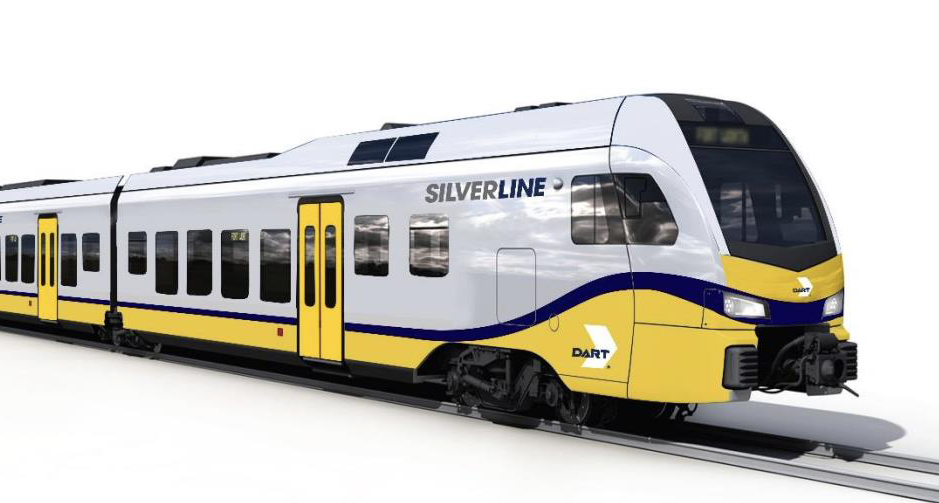
City officials emphasized that the ballot measure isn’t a reaction to the newly opened Silver Line rail but part of a six-year cycle built into the city’s membership agreement with DART. Every six years, member cities can vote to stay or withdraw — a process Plano leaders believe offers a timely opportunity for the community to weigh in.
The City of Plano has proposed several solutions over the last few years. Officials met with DART before the last legislative session to determine if some funding could be returned for general transportation purposes and proposed a rail-only solution with a 50% general mobility program.
“In the first legislative session where this issue came up, there was an attempt to compile many data and audit reporting requirements that was pulled down during that session with the promise that Plano would receive the information that we had asked for,” Fortune said. “Unfortunately, in 2022, we received what we largely believed to be a qualitative analysis on, really, the benefits of transit. It didn’t get to the heart of the question on where are the dollars being spent that we’ve invested in Plano.”
In that fateful November City Council meeting, DART CEO and President Nadine Lee was limited to a one-minute reply, considering her a member of the public.
“In the spirit of collaboration and transparency, I want to underscore how DART has worked in good faith to address Plano’s concerns,” Lee said. “Through five separate actions, the DART board authorized and funded the general mobility program requested by Plano last December, offering to Plano $28 million in a single year.”
The General Mobility Program was first conceived in early 2025 after state legislation was passed that would require up to 25% of DART sales tax revenue to be distributed back to all cities.
This program also explicitly stated that any municipality that calls to withdraw from DART would forfeit these funds. Plano would have received $28.99 million as part of this agreement.
The decision comes amid ongoing concerns about low ridership, particularly on bus routes. Officials say Plano residents continue to face “first-mile/last-mile” challenges — especially seniors and individuals with disabilities — making it difficult to access buses and rail stations. To address this, the city is exploring micro-transit options, such as app-based rides similar to Via or Uber, to provide door-to-door service.
“We need to make changes to create a door-to-door service through different types of vehicles that work for our community,” the city spokesperson added. “That means options that help people get to their doctor, the grocery store, or wherever they need to go.”
If voters choose to leave DART, city leaders say Plano could negotiate to keep use of the Silver Line while replacing most bus routes with smaller, on-demand vehicles. The one-cent sales tax that funds DART would remain in place for up to seven to 10 years during a transition period.
Some residents have questioned whether the ballot initiative is a pressure tactic to secure a better deal from DART. Officials rejected that notion, saying they are genuinely preparing for either outcome.
The City of Plano proposed a six-year deal with DART that would stop the election, keep the rail lines and express buses, remove city bus routes and include a new financial structure to increase the percentage of sales tax that is returned to Plano, which would go toward Plano’s transit options. As of the time of writing, DART is evaluating the proposal and has not publicly commented on whether the proposal is a feasible solution.
Ultimately, city leaders say the goal is not to sever ties but to build a modern, efficient and accessible public transit system that connects Planoites to Plano.