
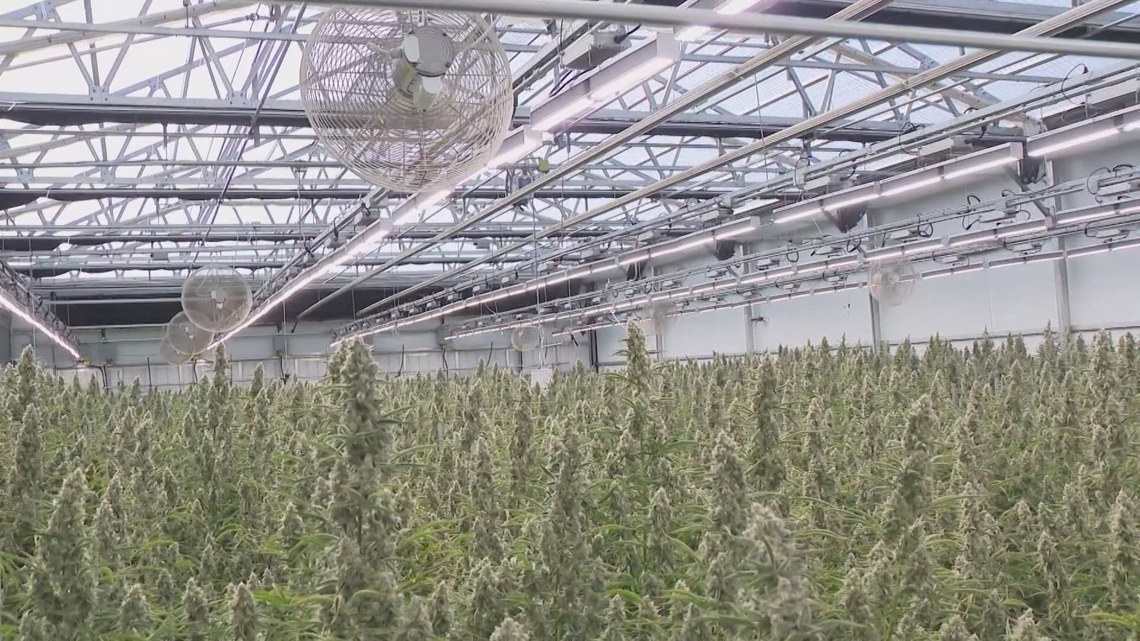
While some in the hemp industry welcome clearer guidelines and consumer protections, they warn a hike in licensing fees could impact small businesses.
AUSTIN, Texas — Entering the new year, Texas state health officials have put forward new rules to strengthen oversight of the hemp industry, including production, retail sales and monitoring of consumable products.
Last week, the Texas Department of State Health Services (DSHS) introduced a set of proposed rules aimed at tightening regulations of Consumable Hemp Products. The measures include mandatory product recalls, complaint tracking systems, expanded testing requirements and age verification protocols to prevent sales to individuals under 21.
The proposals align with an executive order signed by Gov. Greg Abbott last September, which seeks to curb minors’ access to hemp-derived THC products and bolster regulatory enforcement statewide.
While some in the hemp industry told KVUE that they welcome clearer guidelines and consumer protections, they also warn that other changes like new licensing fees could create a heavy financial burden, especially for small, family-run shops.
“There are some things that we are, you know, prepared to see adopted, as well as some things that maybe we’re not super excited to see potentially be adopted into the rules,” said Shayda Torabi, co-owner of Austin-based Restart CBD.
Currently, retailers like Restart CBD said they pay a few hundred dollars annually for licensing through DSHS. Under the new rules, that fee could hike to $20,000 per location. Manufacturers would face an even steeper cost, with proposed annual fees of $25,000.
“Texas is supposed to be, you know, supportive of small family businesses,” Torabi said. “And so for us and our peers, we know this is going to be a huge impact to our business and just the program as a whole, because it’s a really big price change.”
According to DSHS projections, the new regulations could generate approximately $202 million in revenue annually over the first five years. The agency’s impact analysis also estimates that nearly 10,000 small businesses across Texas would be affected.
While the rules are not yet finalized, Torabi is urging community members and industry stakeholders to get involved in the public comment process.
“It’s time to get people involved,” Torabi said. “Your voice needs to be heard to help protect and shape the next chapter for the hemp industry here in Texas.”
DSHS will hold a public hearing on the proposed regulations next Friday, Jan. 9, and is accepting public comments through Jan. 7. If adopted, the new rules could take effect as early as Jan. 25.