
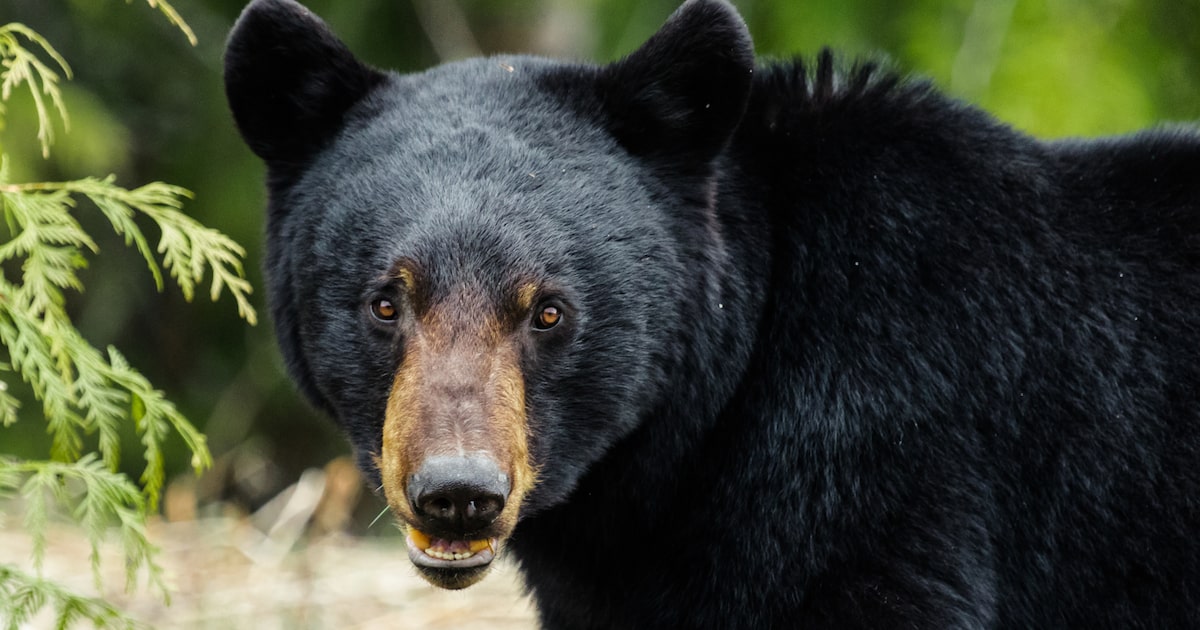
Texas is once again bear country with black bears returning to parts of West Texas. Historically, black bears traveled the region in large numbers, but overhunting and habitat loss led to their decline.
Seeing bears roaming across the state again is a welcome return.
The gradual reappearance of black bears is a sign of ecological recovery. It is also a reminder that Texans are once again sharing the landscape with a native species.
Krysta Demere, a wildlife biologist with Texas Parks and Wildlife, told us that in the 1800s, black bears were found throughout the state, including in the Dallas and Fort Worth area. They first began to disappear from the central and northeast regions of the state and held on in the western-most part of the state for the longest. But by the 1950s, they were almost completely extirpated from Texas.
We are happy to welcome black bears back to our state.
In the 1980s, the first case of a breeding female was documented at Big Bend National Park. In the 40 years since, there has been a slow, natural recolonization process. Now there is a relatively small, low-density population of black bears throughout Brewster County and nearby areas, with bears expanding along the Rio Grande into parts of South Texas.
Opinion
Other states like Arkansas and Michigan also believe black bear populations are on the rise, but they didn’t lose their populations to the extent that Texas did. What makes Texas different is that black bears were almost completely wiped out, Demere said.
As bear populations recover, sightings have increased. Human-bear encounters occur more frequently in the fall as bears search for food before winter. Stumbling across a bear has become more common in West Texas — not because bears are becoming aggressive, but because people and bears are crossing paths more often.
Demere said bears instinctively avoid people, but that they have an excellent sense of smell and a lot of their behavior is driven by their appetite.
“If a bear is able to smell and find an unsecured human attractant — that could be garbage, pet food, livestock feed or even wildlife feed — they can be rewarded with more calories in mere minutes at that human-related food source than they would get from a full day of foraging out in the wild,” Demere said.
Communities can take steps to deter bears, like investing in bear-proof dumpsters, securing any food or other smelly materials that may attract wildlife and educating residents about what to do if they come across a bear.
Living with bears will require adjustment, but there’s no reason we can’t coexist with this important native animal.