
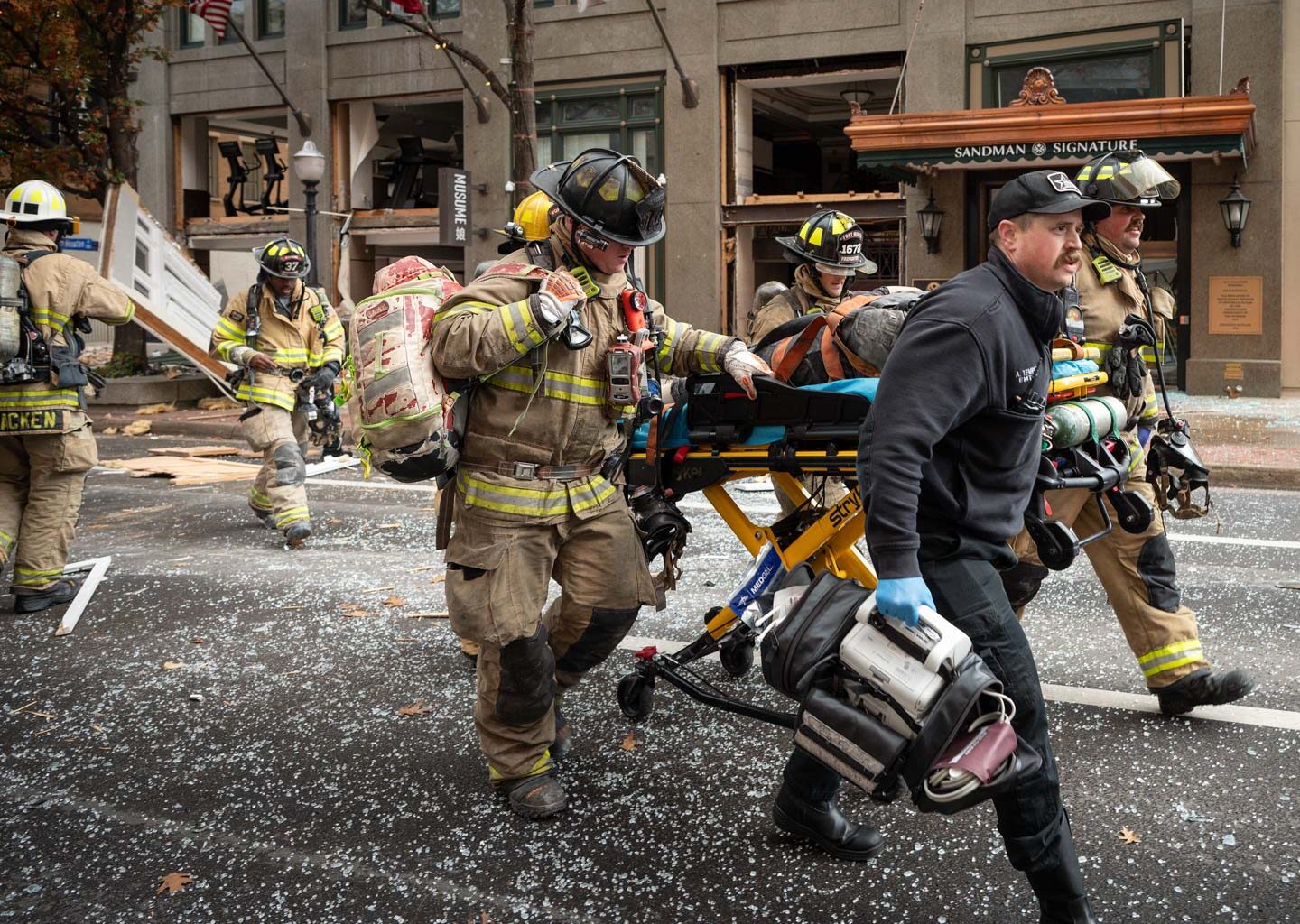
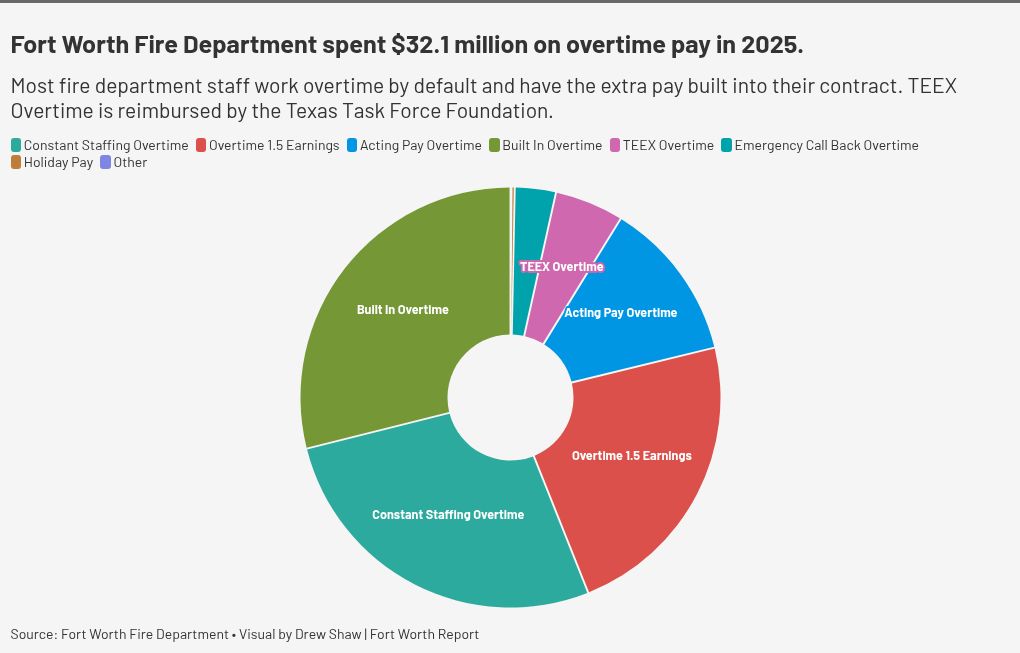
The Fort Worth Fire Department spent $32.1 million on staff overtime in fiscal year 2025 — an amount leaders are looking to reduce.
Overtime is normal for first responders, and long hours are built into their schedules. But the number of overtime hours that staff are working is higher than ideal, interim Fire Chief Raymond Hill admitted, saying he wants to address the issue by hiring more staff to fill in when employees take time off for vacation or illness.
“Right now, we’re not accounting for the total amount of time (off) that the average firefighter takes and hiring to fill those positions,” Hill said. “When we’re short, that’s what drives the overtime.”
Most of the city’s more than 1,900 fire department staffers see schedules that exceed 40 hours a week, according to city records. The average firefighter works about 56 hours weekly over three 24-hour, on-duty shifts.
They also earn overtime for tasks such as working on holidays, filling in for a colleague or getting deployed to respond to emergencies across the state, Deputy Fire Chief James Horton explained.
The fire department currently employs a baseline staff of 1,049 first responders, and its contract with the local union representing firefighters allows the city to hire 20% more firefighters as relief personnel who bounce around stations as needed, Hill said.
What are the different types of overtime?
The fire department has two primary types of overtime and various subcategories, according to a statement from fire department leaders.
Constant staffing overtime is used to fulfill the city’s four-person minimum for staffing every frontline fire vehicle.
Civil service overtime is primarily driven by the staffing of special events and deployments to disaster sites across the state. This cost is often reimbursed by the state or event managers.
Emergency call back overtime is when an employee is forced to fulfill staffing requirements or called in to work in an emergency situation.
Overtime 1.5 earnings are paid when an employee’s time has converted to overtime, after they’ve already worked the overtime built into their schedules.
Acting pay overtime is paid when an employee who has already worked over 40 hours that week serves in a role above their current rank.
Holiday overtime is required by the fire department’s contract with the local union and is paid when employees work on holidays.
City looks to reduce overtime costs
The fire department cost $219.3 million of the city’s $2.79 billion budget during the last fiscal year, which ended in October. Of this, $196 million was used for salaries and benefits.
But to significantly reduce overtime expenses, the city needs to hire more personnel to meet minimum staffing requirements, Hill said. Such hires require approval from the local union representing firefighters.
It takes four people to staff a fire vehicle, and the fire department needs to employ enough staff to fill in for anyone who leaves for vacation, illness or personal reasons, he said. Hiring additional “relief personnel” would spread the burden of staffing stations across a larger team.
“But if you count vacation time, sick time, occupational and parental leave, the need is much greater than that 20%,” he said. “So the average person takes more than 20% off.”
Representatives from the Fort Worth Professional Firefighters Association, or Local 440, did not respond to requests for comment.
Hill said department officials are working to determine how many extra staffers are needed to fill short-term vacancies. City and union representatives are exploring the number in ongoing collective bargaining negotiations, which started in September to update their contract.
“Some fire departments have 30% of their staff as vacation relief, so we just need to find the average percentage of time that the individual is off, and then we hire to make sure that’s filled,” he said.
In seeking to hire more firefighters, Fort Worth would be fighting a national trend that sees cities struggling to attract new employees to the industry. The number of career firefighters in the United States reached a low in 2020, according to the National Fire Protection Association, and cities across the country have continued to report staffing shortages.
Horton noted that some overtime pay is reimbursed by the Texas Task Force Foundation in cases where first responders are deployed to disaster sites. For example, because the city sent a team to Central Texas for search and rescue after the devastating flooding in July, it’s expecting the state to reimburse nearly $2 million in costs, according to city records.
The overtime accrued during that deployment put the fire department less than 1% over budget in the fiscal year, Chief Transformation Officer Christianne Simmons, told City Council during a Jan. 6 work session.
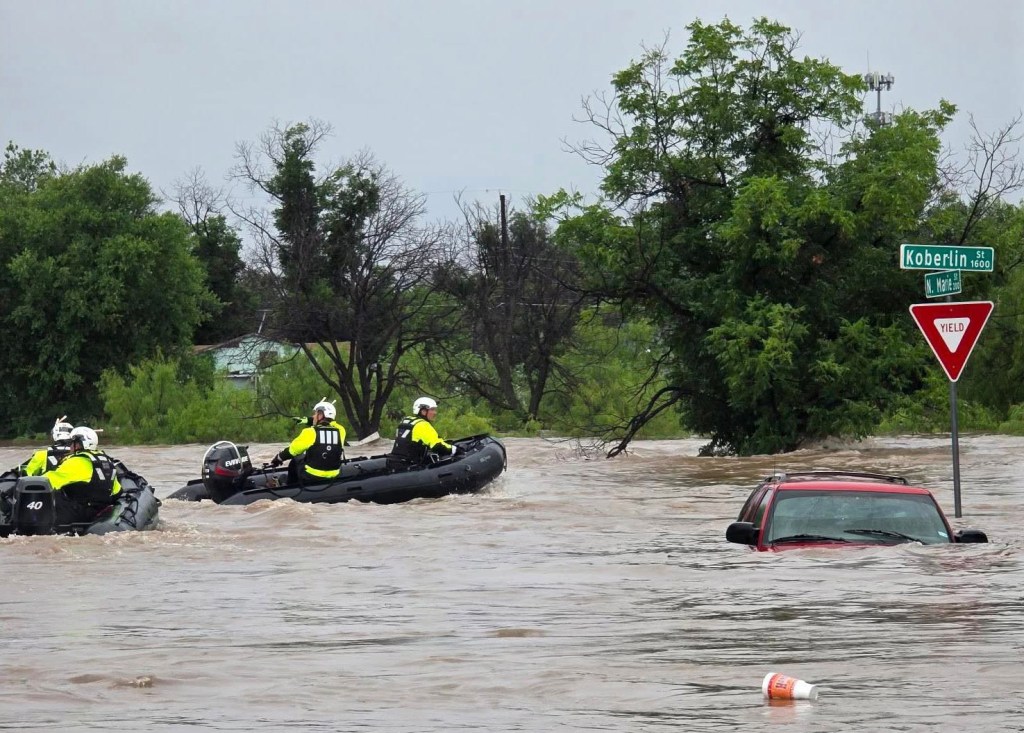 The Fort Worth Fire Department sent 17 firefighters to Central Texas to help with rescue and recovery efforts. (Courtesy photo | Fort Worth Fire Department)
Overtime pay for fire department staff assisting at private events is also reimbursed by the event managers, Horton noted.
EMS admin officer Heath Stone said reducing overtime plays into their larger efforts to be more mindful of first responders’ mental health.
Ensuring they don’t get bogged down in the trauma and stress of the job is a priority, he said. Stone pointed to initiatives such as the department’s counseling services and partnership with the American Warrior Association, which aim to proactively address mental health issues common in first responders.
Adequate staffing requires a “delicate balance” between enough firefighters to cover for unexpected employee gaps and more people than are needed on a fire truck, Hill said.
“People are gonna look at the overtime as nitty-gritty and ugly, but it’s a necessity of the job,” Stone said. “It’s a beast of an animal in public safety, but it’s needed. Somebody’s gotta answer that call.”
Drew Shaw is a government accountability reporter for the Fort Worth Report. Contact him at drew.shaw@fortworthreport.org or @shawlings601.
At the Fort Worth Report, news decisions are made independently of our board members and financial supporters. Read more about our editorial independence policy here.
This <a target=”_blank” href=”https://fortworthreport.org/2026/01/06/fort-worth-fire-department-spent-32-1m-on-overtime-in-2025-officials-want-that-lowered-this-year/”>article</a> first appeared on <a target=”_blank” href=”https://fortworthreport.org”>Fort Worth Report</a> and is republished here under a <a target=”_blank” href=”https://creativecommons.org/licenses/by-nd/4.0/”>Creative Commons Attribution-NoDerivatives 4.0 International License</a>.<img src=”https://i0.wp.com/fortworthreport.org/wp-content/uploads/2021/04/cropped-favicon.png?resize=150%2C150&quality=80&ssl=1″ style=”width:1em;height:1em;margin-left:10px;”>
<img id=”republication-tracker-tool-source” src=”https://fortworthreport.org/?republication-pixel=true&post=356869&ga4=2820184429″ style=”width:1px;height:1px;”><script> PARSELY = { autotrack: false, onload: function() { PARSELY.beacon.trackPageView({ url: “https://fortworthreport.org/2026/01/06/fort-worth-fire-department-spent-32-1m-on-overtime-in-2025-officials-want-that-lowered-this-year/”, urlref: window.location.href }); } } </script> <script id=”parsely-cfg” src=”//cdn.parsely.com/keys/fortworthreport.org/p.js”></script>