
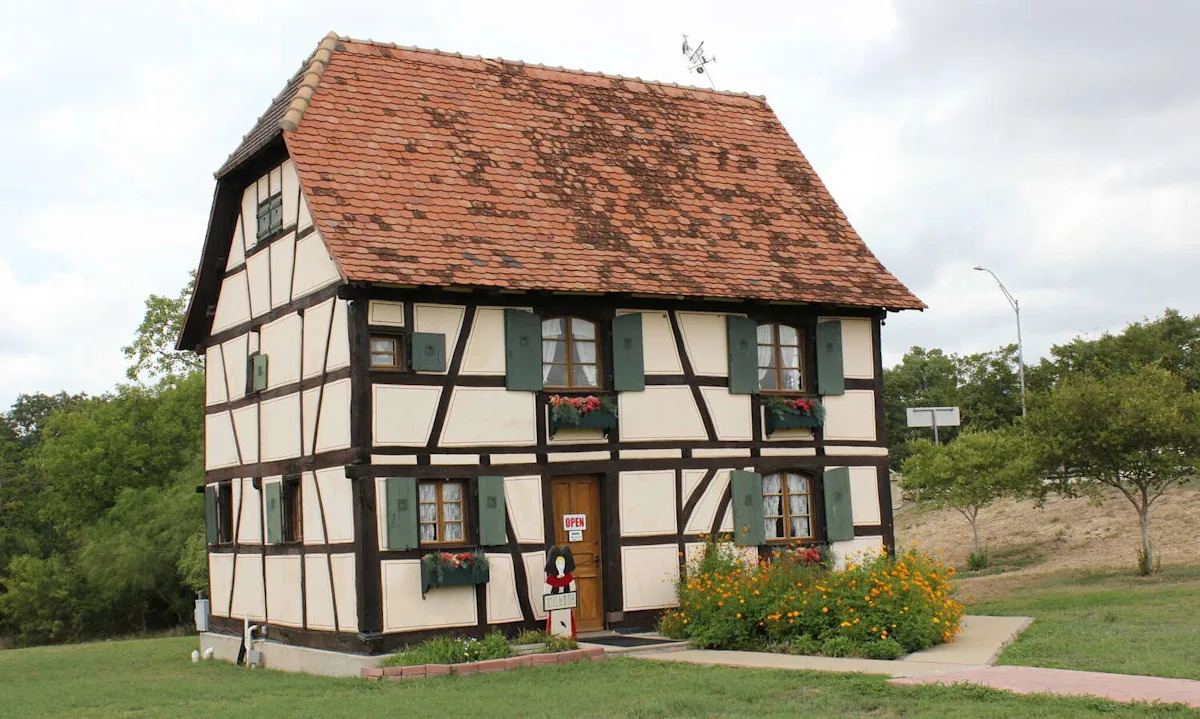
The city of Castroville, located just 33 minutes from downtown San Antonio (assuming you don’t get stuck in traffic on U.S. Highway 90), is becoming a popular place to live. Many who visit seek it out to escape the hustle and bustle of city living. Meanwhile, many natives worry that, over time, its appeal will result in not only more people, but also the urban elements they sought to avoid.
Folks also refer to the community, which is set along the banks of the Medina River, as “the Little Alsace of Texas.” This is because it was once home to settlers who hailed from the Alsace-Lorraine region of France. Ultimately, its architectural styles, reminiscent of decades past, thriving cultural traditions, and preservation efforts set it apart.
Castroville has historical significance
The establishment of Castroville was a team effort. A 58-year-old French businessman, Henri Castro, received a land grant contract from the Republic of Texas in 1842, which guaranteed him over a million acres of land in the southern part of the state if he accomplished one small feat: “Introduce at least 600 families and/or single men within three years and establish four towns,” the town website notes.
Castro got to work, persuading people to leave Alsace and other regions of Europe by promising each head of the family one square mile of land in Texas. For many, it marked an optimistic new chapter in their lives. Those who took the offer “had to agree to build a cabin, cultivate at least 15 acres, and live on the property for at least three years.”
Finally, on September 3, 1844, Castro and 50 other men crossed a part of the Medina River, which can be found near the site of the Landmark Inn. Things took off from there. Two weeks later, he founded Castroville. By 1947, more than 2,100 colonists called it home.
Castroville has a distinct architectural style
Walking through certain parts of Castroville can feel like time-traveling. The town displays over 100 historic structures, including Castro’s one-and-a-half-story, limestone house and the Tarde Hotel, which was built in 1952 and hosted guests like Robert E. Lee and Fredrick Olmsted.
The Texas State Historical Association (TSHA) describes the town’s architecture and style as “distinctly European.” Unlike other communities, homes are not arranged along parallel lines, but spread out all over the place. Residences and businesses also didn’t contain a wide front porch, which was popular in southern design.
“Local builders made use of large cypress trees growing along the Medina River to produce shingles for home use or for market,” the TSHA states. “Many of the structures erected in Castroville’s earliest days continued to house people and businesses 150 years later.”
What to see and do in Castroville
Whether you realize it or not, most of the activities you do in town are inherently historical. You can catch a movie at the town’s Rainbow Theater, which first opened in 1943 and displays only one screen, like something straight out of a Gilmore Girls episode.
Maybe you’ll decide to grab a coffee from Magnolia’s Filling Station, which was originally constructed as a saloon, then made into a bus station, then a liquor store, and finally, in 1920, a gas station. Today, it serves up my favorite iced caramel latte and other treats.
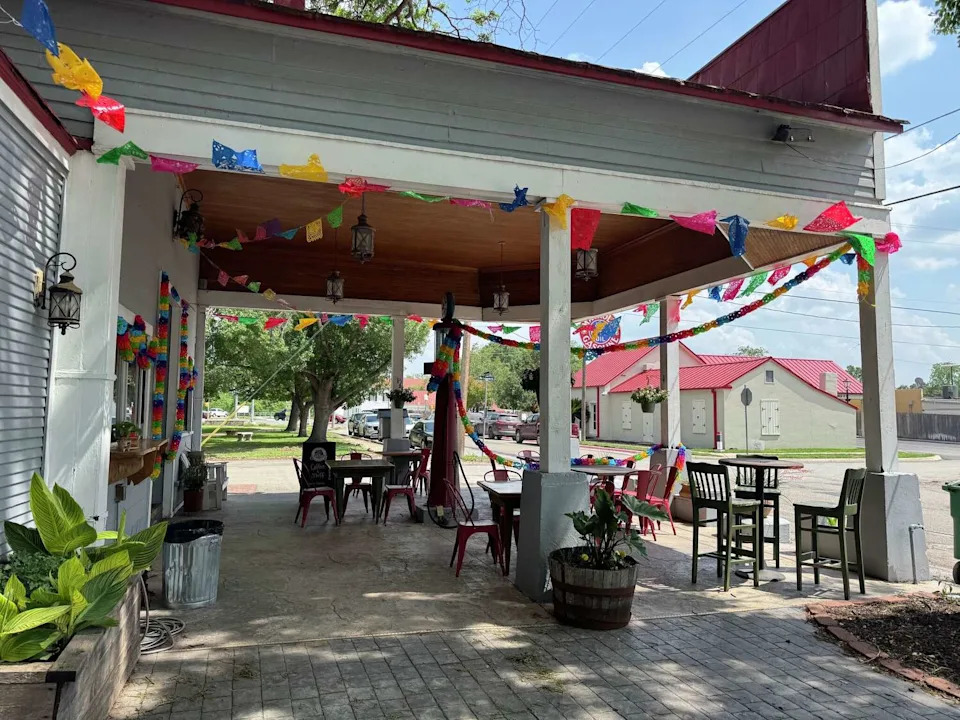
Magnolia Filling Station is shown with Fiesta decorations on Wednesday, April 30, 2025. (Melanie Love Salazar/MySA)
Other places to visit are Castroville Regional Park, which contains walking trails, sand volleyball, and a scenic Cross Hill, and the Houston Square area, which hosts several antique shops and boutiques.
Where to eat in Castroville
Cuisine options range in this quaint town. Castroville Cafe, which, you guessed it, dates back to the 1800s, serves comfort food common to the Texas Hill Country. You’ll find a Schnitzel sandwich, soups, and the occasional meatloaf on the menu. The bread rolls are a must-order when visiting. If you prefer true Texas barbecue, the quaint town offers plenty of smokehouse variety at Castroville Barbecue Company.
Meanwhile, Elevate, described by VisitCastroville as “fine dining with big city taste but with a small town feel,” features steaks and seafood. Further down U.S. Highway 90, La Pasada Restaurant offers Mexican dishes until 2 p.m. If you’re up for a drive worth the travel, Julianna’s supplies folks with classic plates like traditional alfredo pasta and artisan pizza. It’s a four-time “Best in Medina County” award winner.
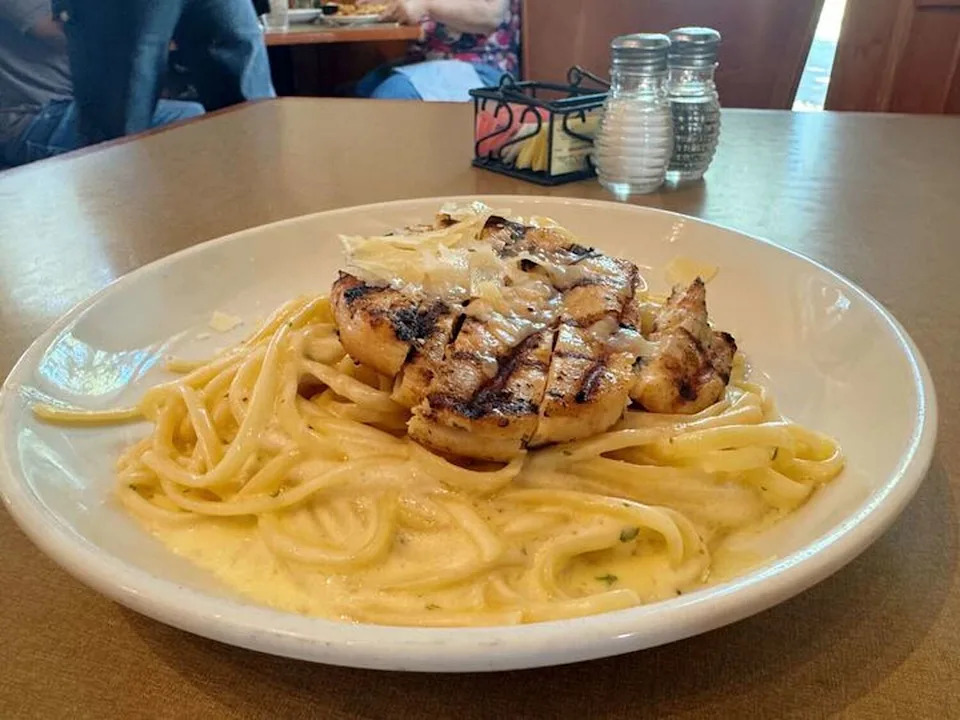
Small town charm meets flavorful pasta dishes at Julianna’s Restaurant, located in the San Antonio-area city of Castroville, Texas. (Melanie Love Salazar/MySA)
This article originally published at Texas’s next great Hill Country getaway is hiding in plain sight.