
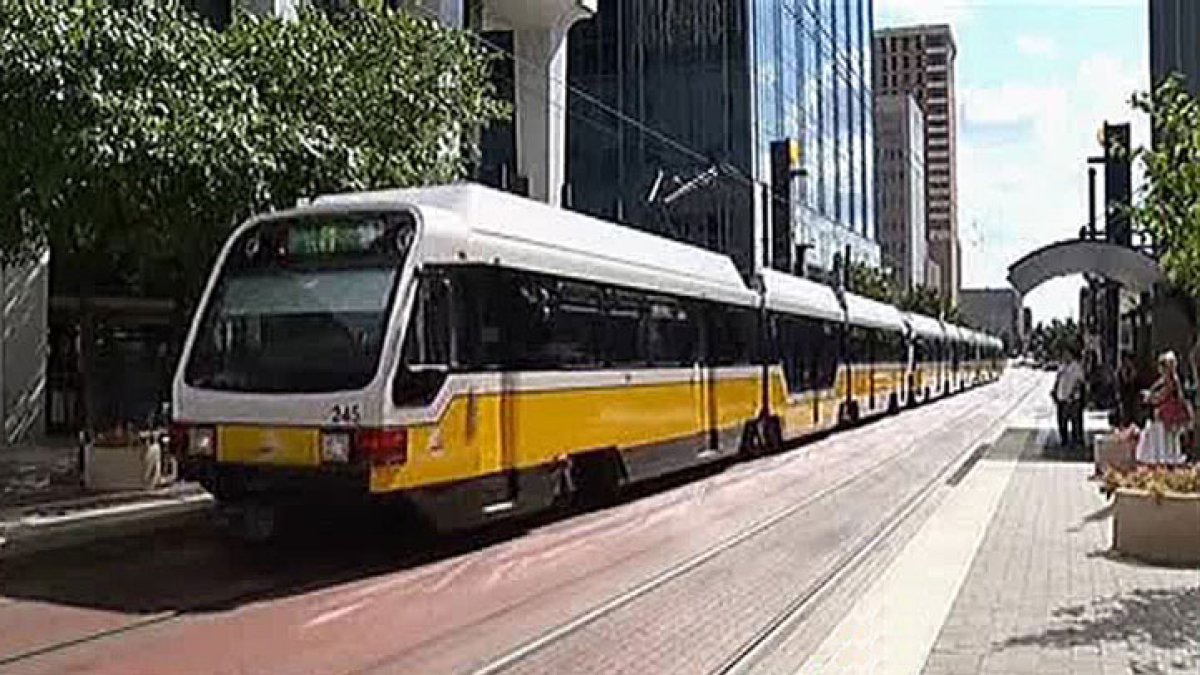
Dallas Area Rapid Transit officials are sounding the alarm about what could happen if five North Texas cities decide to leave the regional transit system this spring.
City leaders in Plano, Irving, Farmers Branch, Highland Park and University Park have all approved special elections for May 2 to determine whether they’ll withdraw from DART.
For riders who depend on DART, the stakes are high. The agency says about 800 bus stops, 13 GoLink zones, two Trinity Railway Express stations, and 10 light rail stations could be affected if all five cities exit.
If voters approve, the agency says the impact would be swift and sweeping. According to a new report released ahead of an agency leadership meeting on Tuesday, service would stop the day after election results are certified, as soon as May 3.
It would affect hundreds of bus stops, paratransit service, and multiple rail stations, including two brand-new Silver Line stations that opened just months ago.
“This could mean the Silver Line stations that just opened up in cities like Plano, for instance, would be closed, so you couldn’t ride the Silver Line from Plano. You would have to go to the next potential member city that has access to those stations. It would mean the discontinuation of lines stopping in Richardson or any other city that’s close that did not have a successful withdrawal election. That impacts how people get around the community,” said Jeamy Molina, Chief communications officer for DART.
The agency has 13 member cities across DFW that contribute sales tax revenue to fund DART. The five cities that are looking to secede have raised concerns about the cost, service quality, safety, and representation on the agency’s board.
Many officials from cities who favor the secession from DART said they have plans to replace transit service with other local options, despite the stark warnings from the agency.
RAISING AWARENESS
Rob Smith, Vice President of Service Planning and Scheduling for DART, held a press conference on Wednesday to reiterate the information that riders need to know if service is interrupted.
“A significant part of DART customers and our service connects the 13 cities that DART operates. And those connections would likely be broken. We do not know whether replacement services would be available,” he said.
Smith, who is retiring from a 40-plus year career in transit planning, is spending his final days on the job on an information campaign and setting up his colleagues for informational sessions in the months to come before the election.
“I would say personally it’s hard to see us look at the possibility of stepping back,” he told NBC 5. “We worked to build the system that Doris built in the 13 cities and some services that we’re providing beyond the 13 cities. But the voters ultimately in the cities that are looking at elections will have the say in terms of what they end up doing. We live with the consequences of that, and try and make the best of it for our many customers and depending on it to get through their lives.”
He says a lot of data analysis is in the works, including the long-term financial impacts of the ballot measures if they were to pass.
He said DART is also looking at the impacts the potential changes could have on the FIFA World Cup when DFW hosts thousands of visitors from around the world this summer. An established transportation system was one of the attraction points for North Texas being selected as a host location in North America.
Smith shared concerns of the possible transit dead zones that service interruptions could create, which would impact those staying in affected cities that might pass the ballot measure.
“To the extent that most of the direct World Cup activities and service are concentrated in Dallas and the trips going over to Arlington for the games, the Fan Fest at Fair Park — those services aren’t directly affected by these cities,” he said. “But to the extent there may be other activities, whether it’s where practices are happening, where hotels are, where things are stationed — it may affect people’s ability to travel to those events if they’re staying in a city that would pull out or if there are other issues like that.”
Potential service disruptions for the general commuting population could lead to longer travel times for those who rely on DART.
“We can’t say or predict at this point what that might look like. We would expect that because of having different services, if there is an alternative services available, transfers would be required unless there are direct routes. We don’t know about that yet. When you start adding transfers to trips, it usually adds to the travel time,” said Smith.
Addison is the latest municipality that has explored joining the others in withdrawing from DART, but the move did not come to fruition in the town’s Tuesday night meeting discussing the matter. After a heated debate and numerous public comments from residents, the town council could not come to an agreement on adding the measure to their own ballot. Officials cited a need for more public input and negotiations with DART, according to The Dallas Morning News.
Smith added that cities looking to withdraw from local transit is nothing new and is something he has seen in his many decades in transportation.
“I would be lying or misleading to you if I would say that I’m not disappointed to see this. It’s something that happened when I worked in Austin many years ago. We’re dealing with it here at DART now. And there have been early in DART’s history a couple of cities that chose to withdraw at that time,” he said. “So it is not the first time that DART has dealt with it. And DART has dealt with, over the years, other withdrawal elections where the citizens in those communities chose to stay. And again, we don’t know of the final outcome of this until the vote is taken.”
DART plans to hold 14 different community meetings in different areas ahead of the vote, with the first scheduled for March 24 pending upcoming approvals.
“We’re legally required to make sure that we call for a public hearing to make sure that all of our customers and everyone across the service area understands the potential of service impacts,” said Molina. “With five cities having withdrawal elections on the calendar, there could be many, many impacts to what could happen to the DART system.”
DART will update the public on when and where those public information sessions will take place once they are set.