
Home » Airlines News of United States » Denver International Joins Chicago O’Hare, Dallas/Fort Worth, Los Angeles, San Francisco and Toronto Pearson to Revolutionize Global Travel! These Airports Are Setting Unstoppable New Standards across US and Canada!
Published on
January 14, 2026
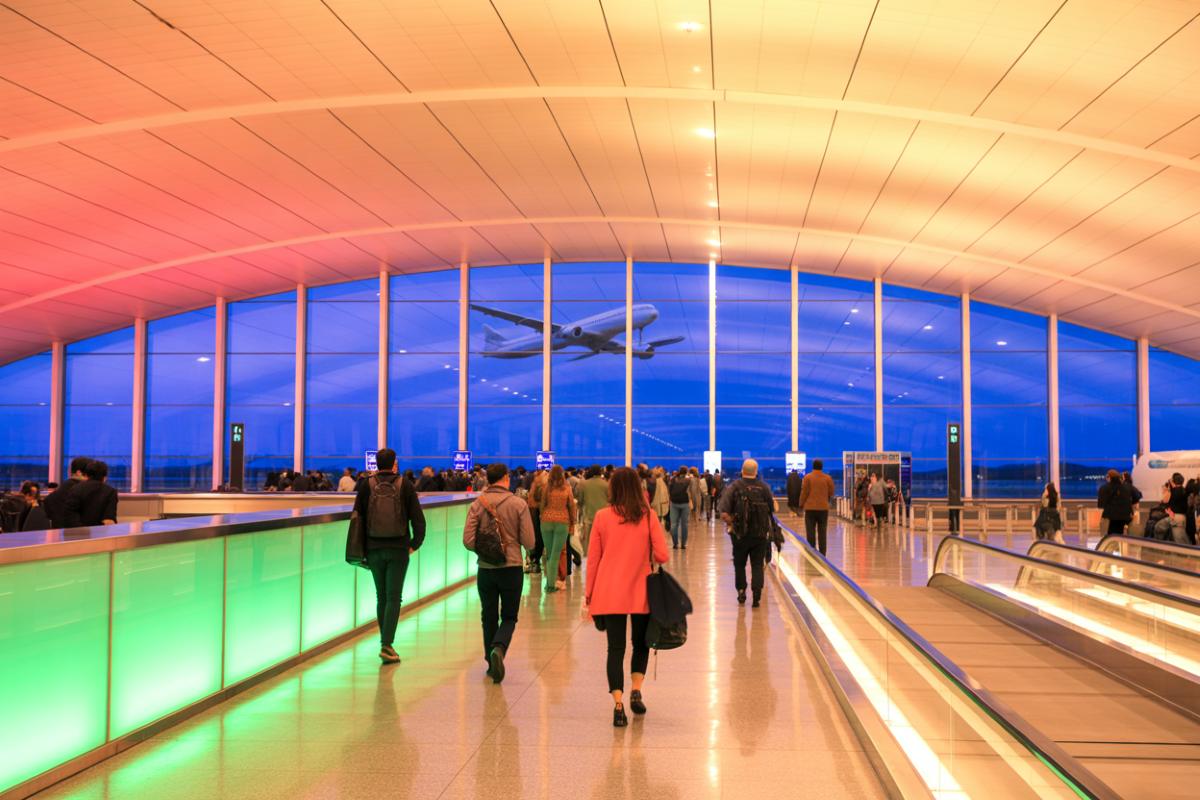
In an exciting turn of events, Denver has joined forces with Chicago O’Hare, Dallas/Fort Worth, Los Angeles, San Francisco, and Toronto Pearson Airports to revolutionize global travel. These airports are not just improving operations; they are setting new, unstoppable standards in the US and Canada. Together, they represent the future of aviation, where innovation and efficiency are the driving forces. By implementing cutting-edge technologies, enhancing passenger experiences, and expanding their global connectivity, these airports are reshaping the way we travel. From Denver’s architectural marvels to Toronto Pearson’s seamless border processing, each airport offers unique features that contribute to their groundbreaking success.
In the world of aviation, certain airports are known for being more than just travel points. They stand as pillars of innovation, efficiency, and unparalleled passenger experience. Among these giants, a select few in North America have earned a spot in the prestigious TTW Top 50 Best Airports for 2026. These airports aren’t just places to catch flights—they offer unique qualities, cutting-edge facilities, and remarkable services that make them stand out in the global aviation landscape.
Denver International Airport (DEN) – The Aviation Landmark
Denver International Airport is not just the largest airport in North America; it’s an aviation landmark that stands tall for its innovative design and groundbreaking infrastructure. Spanning 53 square miles, DEN is larger than the city limits of Boston, making it a crucial gateway for millions of passengers every year. What makes DEN truly remarkable is not just its size but its unique features.
First, the iconic Jeppesen Terminal, with its stunning snow-capped roof, has become a symbol of Colorado’s rugged mountain beauty. As you enter this striking structure, you are immediately immersed in the state’s natural aesthetic. The airport also boasts the longest public-use runway in North America, which stretches an impressive 16,000 feet. This allows it to handle a vast range of aircraft and weather conditions with ease, proving its capacity and flexibility.
Denver International is continuously evolving, with plans for massive expansion. It is already among the busiest airports in the U.S., handling millions of passengers annually. In fact, 82.4 million people passed through DEN in 2024. This growth is supported by a future-ready infrastructure designed to handle more than 100 million passengers each year, cementing its place as an aviation powerhouse.
Chicago O’Hare International Airport (ORD) – The Connectivity Hub
Chicago O’Hare is renowned for its unparalleled connectivity, making it a critical hub for both domestic and international travel. With over 249 nonstop destinations worldwide, O’Hare connects passengers to nearly every corner of the globe. It holds the title of one of the busiest airports in the world, with an intricate network that includes destinations across Europe, Asia, and the Americas.
O’Hare is not just about its massive traffic. It’s also about the historical innovations it brought to the aviation industry. The airport was a pioneer of jet bridges, which provide smoother boarding and disembarking for passengers. Additionally, the airport transit system (ATS) was one of the first to offer quick and efficient connections between terminals, ensuring minimal wait times for connecting flights.
Despite its age, O’Hare’s ability to handle huge volumes of passengers and planes without compromising service or efficiency places it at the top of the aviation game. Whether you’re headed to a meeting in Tokyo or on a family vacation to Paris, O’Hare’s efficient infrastructure, top-notch amenities, and extensive global reach make it the go-to airport for millions.
Dallas/Fort Worth International Airport (DFW) – Excellence in Service and Operations
Dallas/Fort Worth International Airport stands as a beacon of service excellence. It has won the Airport Service Quality (ASQ) Award for Best Airport in North America multiple times, reflecting its commitment to passenger satisfaction. With over 40 million passengers passing through its terminals each year, DFW has earned a reputation for consistency and reliability.
DFW’s six terminals are designed to facilitate smooth transitions, with a highly efficient people-mover system—Skylink—connecting all terminals in under five minutes. This quick transfer system ensures that passengers can easily switch from one flight to another without unnecessary delays, which is particularly useful during peak travel times.
Furthermore, the airport’s commitment to environmental sustainability sets it apart from other major airports. DFW has invested heavily in green technologies, such as solar-powered energy systems, and continues to lead the way in sustainable practices. This commitment to sustainable growth makes DFW a forward-thinking hub for travelers.
Los Angeles International Airport (LAX) – The Iconic West Coast Gateway
When you think of Los Angeles, you think of sunshine, beaches, and Hollywood—and when you think of LAX, you think of one of the busiest and most iconic airports in the world. Serving as the primary international gateway on the West Coast, LAX handles a vast range of international and domestic flights, making it a vital link between North America and Asia, Oceania, and Latin America.
LAX is known for its innovative layout, which is designed to handle the large number of passengers efficiently. One of the most notable features of LAX is the LAX FlyAway Shuttle, a service that allows easy access to the city from the airport. This service has revolutionized the way passengers move between the airport and the city, providing a smooth and stress-free journey.
Beyond its convenience, LAX’s global reach makes it a crucial airport for international travelers. Whether you’re catching a flight to Tokyo, Sydney, or Mexico City, LAX connects you to over 80 destinations worldwide, giving it a unique standing among airports globally.
San Francisco International Airport (SFO) – Pioneering Smart Travel
San Francisco International Airport is a pioneer in integrating technology with passenger experience, setting the standard for future airport operations. Through its Technology Improvement Program (TIP), SFO is constantly innovating and improving its digital systems, ensuring a seamless and efficient travel experience for passengers.
One of the standout features of SFO is its commitment to biometric security systems. With facial recognition technology now widely used across the airport, passengers can move through security and boarding faster than ever before, making the airport experience more convenient and less stressful. SFO is also home to the first U.S. airport terminal with a dedicated pet relief area, which shows its attention to the finer details of customer satisfaction.
Moreover, SFO is strategically located in the tech capital of the world, offering easy access to Silicon Valley. This proximity makes it a central point for business travelers, tech professionals, and tourists alike. The airport’s focus on customer experience and technological advancement makes it a top contender in global rankings.
Toronto Pearson International Airport (YYZ) – Setting Global Standards for Passenger Experience
Toronto Pearson International Airport is consistently ranked as one of the best airports for passenger experience in North America. With over 50 airlines and connections to more than 180 destinations worldwide, YYZ offers extensive global reach. What makes it particularly unique is its commitment to seamless travel experiences for all passengers.
YYZ is a leader in biometric processing, which automates immigration checks for travelers, cutting down waiting times and ensuring faster entry into Canada. This technology not only improves the speed of processing but also enhances overall security.
Moreover, Pearson has preclearance facilities for U.S. bound flights, allowing passengers to go through U.S. immigration in Toronto, thus making their arrival at U.S. airports much easier and faster. This cross-border efficiency is one of the many features that put YYZ at the top of global rankings.
Conclusion – The Future of Aviation is Here
As we look to the future of aviation, these North American airports stand as testaments to the power of innovation, efficiency, and commitment to customer experience. From Denver’s expansive infrastructure to Toronto Pearson’s seamless border processing, these airports are not just transport hubs—they are the future of air travel.
These airports continuously strive to improve and adapt to the needs of modern travellers, providing world-class services and cutting-edge facilities. Whether it’s technological integration, sustainable growth, or streamlined passenger flow, these airports are pushing the boundaries of what airports can do.
As global travel becomes more complex and interconnected, these airports will continue to lead the way, offering enhanced travel experiences and paving the way for future developments in aviation. For now, they are the shining stars of North American aviation, setting the benchmark for others to follow.
