

Just days after a fundraiser to save a sick stray cat at a Central Texas women’s prison raised nearly $11,000, Texas prison officials placed the incarcerated woman who cared for the cat into solitary confinement — despite the fact that she did not organize the fundraiser or receive any of the money.
Sonya Reed, a 53-year-old woman incarcerated at the Patrick O’Daniel Unit in Gatesville, was moved into administrative segregation, also known as solitary confinement, during an internal investigation into a GoFundMe created by her daughter, Kitti Reed, last month to pay for veterinary care for a beloved prison cat named Orange Julius.
The Barbed Wire previously published two stories about OJ and the comfort he has provided Sonya, precipitating more donations and an outpouring of internet support — but did not identify her until now as a precaution in order to protect her from backlash from prison officials.
“They really rely on those cats for emotional support,” she previously said, adding that the generosity from strangers has been overwhelming. “These animals don’t see their mistakes. They’re just a constant.”
“Not only are these women kind of shunned by society because they are in prison, but even more so the cats,” she said earlier this week. “I didn’t know so many people cared about them.”
But that positivity quickly soured.
The younger Reed said she has now agreed to speak publicly — and to allow her mother’s name to be used — in hopes that public attention would protect her.
“The more eyes on this, the better,” she said. “When something is under scrutiny, there’s less chance of anything untoward happening.”

According to Reed, her mother was first pulled in for questioning about the fundraiser and told she was not in trouble. She was questioned twice, returned to her housing area, and then placed in isolation the following day.
“We still don’t have any straight answers from the prison about it,” Reed told The Barbed Wire.
Paperwork given to her mother lists the charge as “solicitation,” Reed said — an allegation she called “bizarre,” since her mother did not ask for money and had no access to the fundraiser or its proceeds.
“I made the GoFundMe,” Reed said. “There is no way for my mother to access the money. She didn’t ask for money for herself. She doesn’t have money.”
Texas Department of Criminal Justice officials told The Barbed Wire on Thursday the move was tied to an investigation, not a disciplinary punishment.
“This incident was under investigation as it is against policy for inmates to solicit money and fundraise,” Amanda Hernandez, a spokeswoman for TDCJ, said in a statement. “The inmate was not moved ‘as punishment,’ but because of the investigation. During an investigation, it is common for inmates to be moved.”
Hernandez added that an inmate’s grievance history is confidential and cannot be disclosed.
Reed said she initially heard the prison might pursue an extortion charge before learning that solicitation was listed on the disciplinary paperwork.
Reed said her mother has now been held in administrative segregation for several days, with limited phone access between 2 p.m. and 8 p.m., making communication difficult. She said she has only spoken to her mother once since the move.
“She was crying when she called me,” Reed said. “She’s very distressed.”
Reed said her mother has significant medical issues, including heart problems, anxiety, depression, and spinal conditions that require prescribed bedding. Reed said being removed from her air-conditioned housing unit is especially dangerous given her heart condition, and that she does not know whether the isolation unit is air-conditioned.
Administrative segregation, Reed said, is especially concerning because inmates there can be exposed to chemical spray used on others in the unit.
“When an inmate acts up, they pepper spray, and it gets into every cell,” she said. “She has eczema, which can blister and burn from chemical exposure. This is not a place my medically challenged mother should be.”
Reed said her mother told her that the disciplinary paperwork was signed by a new assistant warden she does not know well, and she believes the situation may be a misunderstanding.
Reed also said her mother believes the assistant warden “does not like the cats,” though she emphasized she does not have definitive answers for why her mother was placed in isolation.
For now, Reed said, her mother remains in administrative segregation with no clear timeline for release. A prison representative told Reed that inmates can be held in isolation for up to 30 consecutive days — though they can be released briefly and then placed back in segregation.
Reed also learned that her mother’s bed assignment has already been reassigned, meaning she does not know where her mother will be housed if and when she is released.
Reed said the situation has left her anxious and fearful for her mother’s health.
“This could be detrimental to her in so many ways,” she said. “Physically and mentally.”
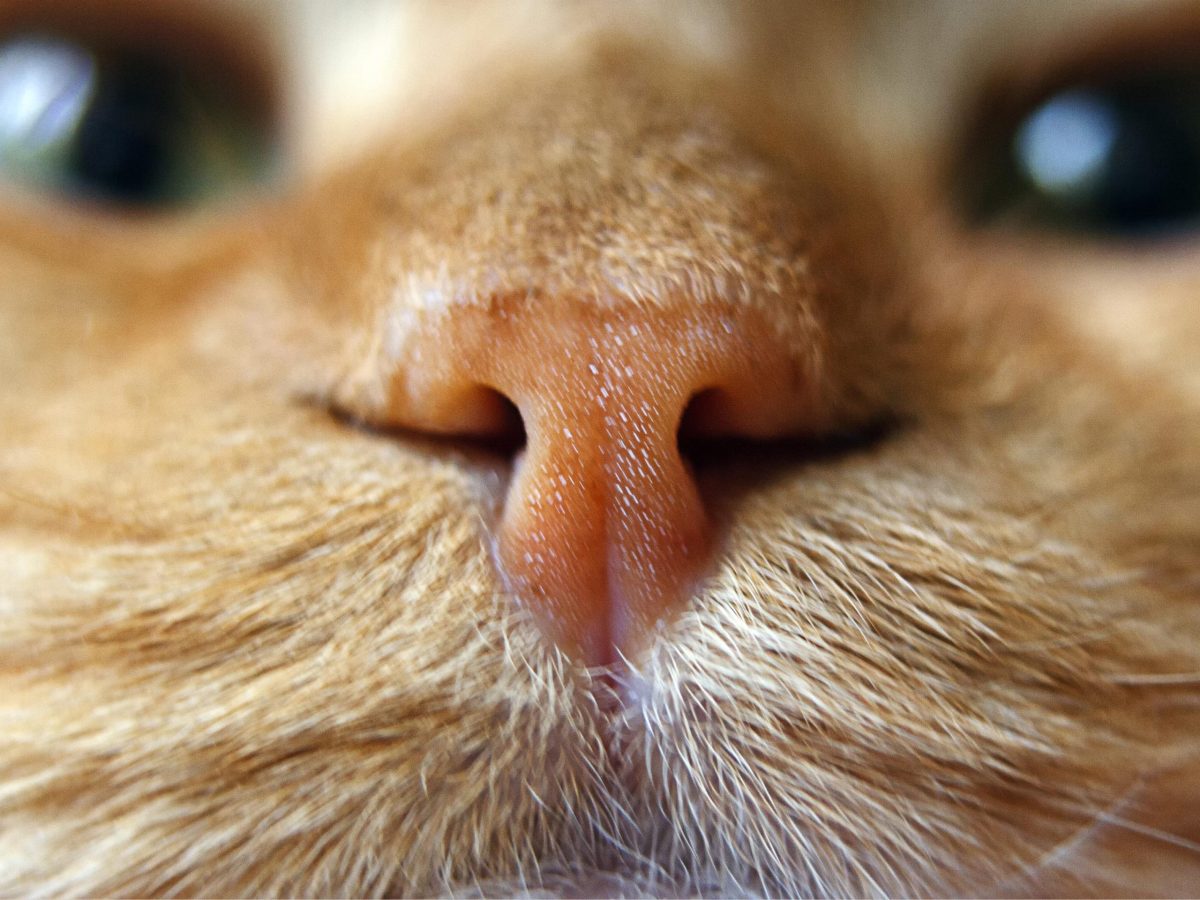
The fundraiser at the center of the investigation was created after a stray cat named OJ, who lives on prison grounds and is cared for by incarcerated women using their own commissary funds, became seriously ill. The GoFundMe was created by Reed on the outside to pay for veterinary care and to cover the cat’s medical expenses. Reed has said none of the money can be transferred to her mother.
The story struck a chord for many on social media. “Nice to hear about one good thing happening at least,” wrote one reader.
“I kept expecting ‘and here’s how facility administration ruined the whole thing for everybody,’” another wrote. “God, this is one of those things I could never fit my thoughts into a single post, but doing a full thing would absolutely fuck my mental health. Lol In short: cats good, TDCJ bad. Keep up the great work!”
For Reed, what began as an effort to save a sick cat has become a fight for her mother’s safety.
“There is no reason she should be in solitary for this,” she said. “None.”
Related