
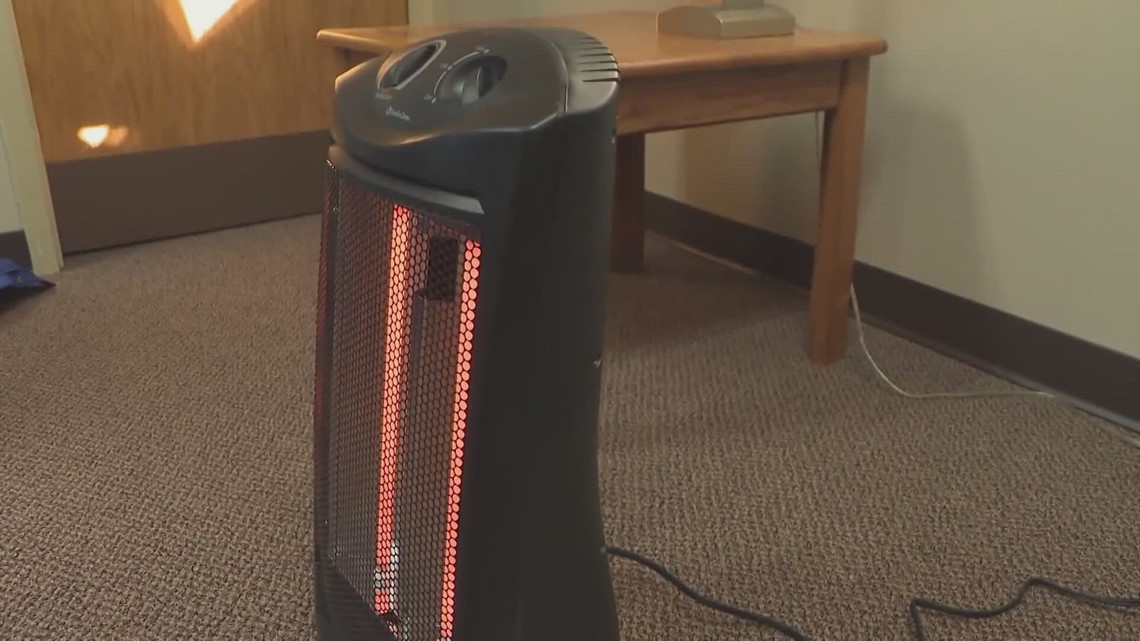
Knowing how to safely heat your home with a fireplace, space heater or generator could be the difference between life and death.
HOUSTON — Potentially dangerous cold weather is headed to the Houston area, which means you’re probably cranking up those heating devices.
Keeping your home warm is essential during the freeze because it not only prevents you from freezing but also helps protect pipes from bursting.
As you find ways to get cozy, here are important tips to keep you and your family safe while heating your home.
Fireplace and wood stove safety tips
Tips provided by the National Weather Service and American Red Cross
Make sure the damper is openUse only safe sources of alternative heat such as a fireplace, small well-vented wood or coal stove or portable space heaters. Never use a cooking range or oven to heat your home. Always keep a screen around an open flameKeep anything that can burn at least 3 feet from your fireplace or wood stove. Do not burn paper in your fireplace or wood stove.Put the fire out before you go to sleep or leave your home; never leave a fireplace unattendedNever use gasoline to start your fireplace.Never burn charcoal indoors.Put ashes in a metal container with a lid. Place the container outside at least 10 feet from your home.Have furnaces, chimneys, fireplaces, wood and coal stoves inspected annually by a professional
Space heater safety tips
Space heaters are most often responsible for home heating fires, according to the National Fire Protection Association (NFPA).
If you plan to use a space heater, the American Red Cross suggests:
Never leave it unattendedPlug space heater power cords directly into outlets, not extension cords or power surge plugs.Keep children, pets and anything that can burn at least three feet away from the heater. In other words, give your space heater space.
“Meaning that all space heaters should be placed on the ground three feet away from all combustibles, such as blankets, towels, bedding, curtain, anything that’s flammable,” advised HFD Captain Sedrick Robinett.
Generator safety tips
Generators emit carbon monoxide — a colorless, odorless gas that can be fatal if inhaled.
“Carbon monoxide is the silent killer, it’s tasteless, can’t smell it, can’t see it, it sneaks up on you,” Capt. Robinette warned.
The City of Houston Office of Emergency Management shared some tips to safely use generators:
Only use generators outdoors, at least 20 feet away from windows, doors, and vents.Never operate a generator inside a home, garage, or any enclosed space.Avoid improvised heating: Do not use charcoal grills, camp stoves, or gas ovens to heat your home. These devices can produce dangerous levels of CO.Check CO detectors: Ensure that your carbon monoxide detectors are functioning properly. If you do not have a CO detector, it is crucial to install one as soon as possible.Recognize CO poisoning symptoms: Symptoms include headache, dizziness, weakness, nausea, vomiting, chest pain, and confusion.
If you think you might have CO poisoning, here’s what you should do:
Move to fresh air immediately: If you or someone else shows symptoms of CO poisoning, move to an open area with fresh air right away.Call 911: Seek emergency medical attention immediately. Explain that you suspect CO poisoning.Do not re-enter the premises: Do not go back inside the affected area until emergency services have declared it safe.
For more information, visit the Houston OEM website by clicking here.
RELATED: How to protect your family from carbon monoxide poisoning during cold snap