
Texas continues to set records for labor force size and employment, showing everyday citizens the value of our state as a place to live and work. This also means that the Texas Legislature took reform seriously and also the reason the economy will continue to be at the top of the list in the next session.
Last year, I had the pleasure of speaking with committees for both the House of Representatives and the Senate of the state of Texas to discuss House Bill 11. This bill, among others, was a significant step taken by lawmakers to reduce the state’s regulatory burden.
The positive momentum from HB 11 must continue, and there is still plenty of room for growth. Occupational licensing reform is a prime example.
According to the State Occupational Licensing Index, produced by the Archbridge Institute, Texas is the third most burdensome state when it comes to occupational licensing. Most Texans don’t know it, but occupational licensing affects more people than the minimum wage and union employment combined. Licensing makes it more difficult to pursue a line of work, reduces the number of professionals, and increases prices for consumers.
Opinion
When it is difficult to get your AC repaired in May because all the technicians are booked for a month out, that’s partially because of a license.
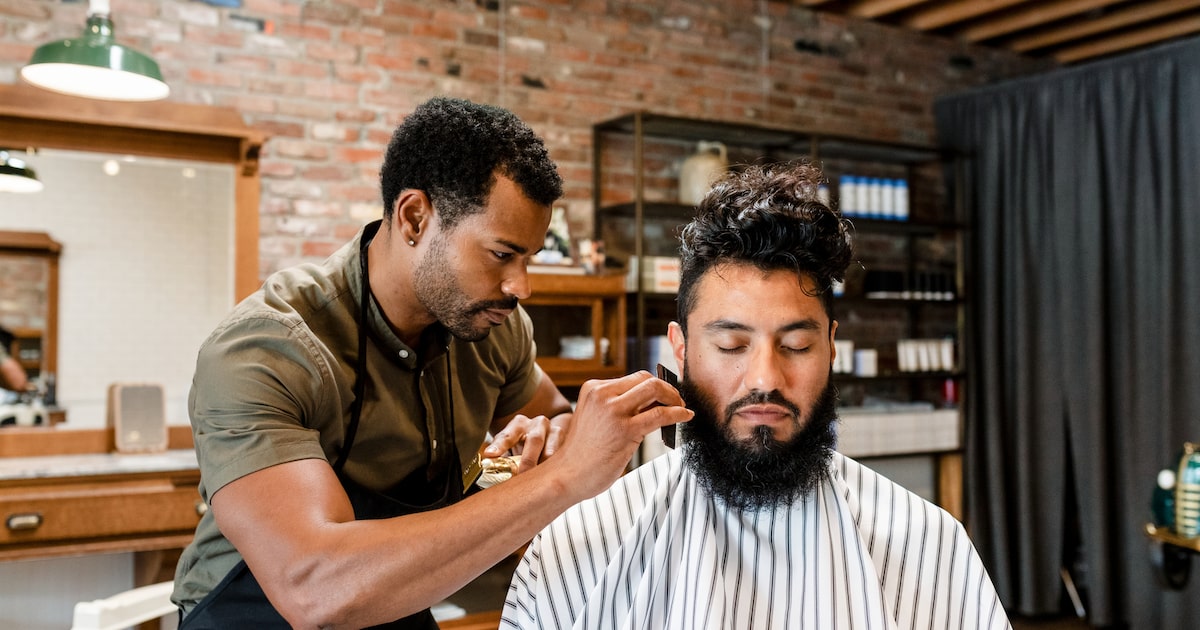
Most people understand that their electricians and plumbers need licenses to do their jobs, but there are so many more workers who need a license in all kinds of fields. If you are trying to lose weight or dress up for an event, you will have to talk to a licensed professional. Dietitians, barbering, cosmetology and laser hair removal all require a license in Texas.
Texas did take steps toward reducing the burden of licensure last year. House Bill 11 should increase reciprocity with states that have similar standards to Texas.
House Bill 12 added a midcycle review through each 12-year sunset review cycle.
One of the most difficult aspects related to regulation is that once it is in place, it is difficult to remove it. The Sunset Review Commission assesses whether agencies are still appropriate and reports on that relevance (or lack thereof) to the Legislature. Adding a midcycle review increases the amount of scrutiny for each board, helping to reduce the broader burden on the public.
While these steps bode well for Texas, they are just the first steps, not the finish line. There are still possible improvements, most notably universal licensing recognition.
Universal recognition is the idea of accepting an occupational license from another state without requiring that state to also accept your license. Nearly 30 states have some form of universal recognition.
Why is it important? First, it makes physical mobility to a state a lot simpler for professionals. Suppose one member of a family receives an appealing job offer in Houston and is looking to move from Kansas City. If their spouse is a teacher, a plumber, or a massage therapist, they will have to relicense when they get to Texas. They may need to retake exams or pursue specific educational programs to meet Texas standards. In the meantime, there is someone who is a perfectly qualified professional with work experience who can’t perform their job until the process is complete — weeks or even months of procedure.
Universal licensing recognition makes an occupational license more portable, like driver’s licenses have become. According to U.S. News and World Report, Texas has the fourth highest net migration in the country. Wouldn’t it be ideal as a consumer if the professionals moving to Texas could get started right away?
Texas lawmakers have shown a willingness to rethink outdated licensing rules, among other labor regulations. Taking the next step with universal licensing recognition would ensure the state’s economic progress translates into real opportunity for workers and consumers for the long haul.
Noah J. Trudeau serves as a Labor Policy Fellow at the Archbridge Institute.