

Audio recording is automated for accessibility. Humans wrote and edited the story. See our AI policy, and give us feedback.
Editor’s note: To help readers learn more about primary candidates, The Texas Tribune is sharing background information on top candidates. In particularly crowded races, we focused on candidates who have political experience or prominence. For a full list of the candidates running in this race view our primary ballot page. For more information on the primaries and the voting process, check out our voter guide here.
About this seat: The governor is the chief executive of the state, whose responsibilities include implementing state laws, laying out biennial budget recommendations for the Legislature and leading the state and its military forces during emergencies. He handpicks the leadership of major state agencies like the Department of Public Safety, overseeing state law enforcement, and the Texas Education Agency, in charge of public schools.
The governor has the power to veto bills passed by the Legislature and to issue executive orders and disaster declarations to unlock money and resources. The governor also has the sole authority to call special legislative sessions and to set the agenda for those overtime legislating periods, as Gov. Greg Abbott did twice in 2025 to pursue mid-decade redistricting, flood response bills and other priorities.
If an elected official, a judge or a justice resigns or dies, the governor is responsible for calling a special election or filling that vacancy. The governor can also make appointments to hundreds of government entities.
What’s at stake: The person elected to this position will lead Texas, the world’s 8th largest economy and currently the largest state led by Republicans, and serve as the state’s primary liaison to the federal government. The governor has enormous power to direct the state legislative agenda, the budget and emergency responses.
The governor also commands influence through appointments. The governor is empowered to nominate or appoint their preferred candidates to powerful positions throughout the state bureaucracy, including the secretary of state, who oversees elections; the commissioner of public education; the commissioner of higher education; members of the Public Utility Commission, which regulates the state’s power grid and other utilities; and the boards of regents for four-year public universities. This means that the power and influence of a Texas governor can grow the longer they’re in office. For example, Abbott, who’s been governor for more than a decade, has appointed every single regent for every university board in Texas, giving him incredible sway over higher education policy.
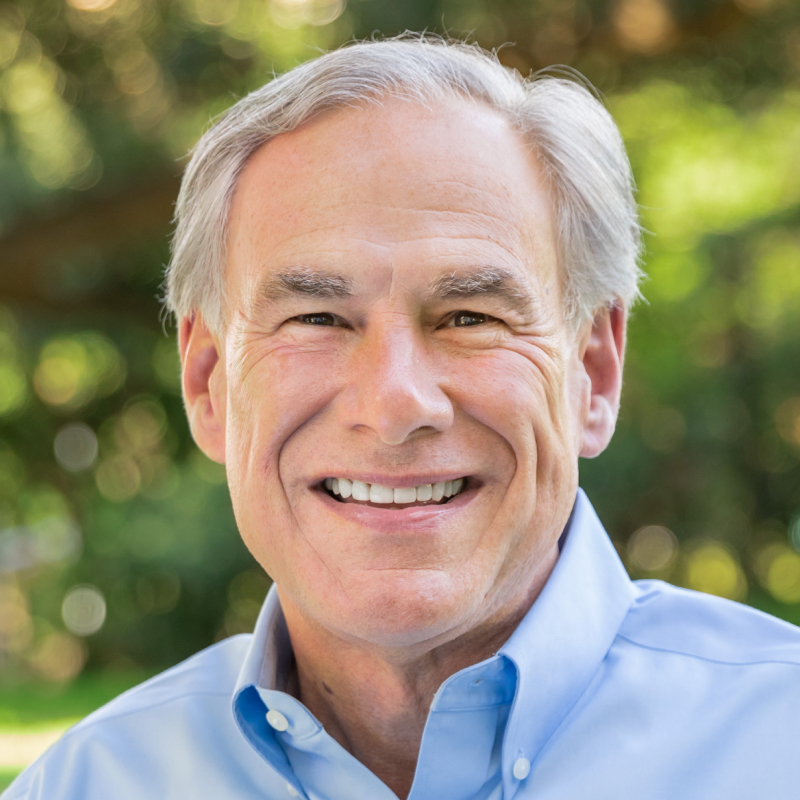 Campaign photo
Greg Abbott
Republican, incumbent
💰 Campaign finance:
$105.7 million cash on hand
💰 Major donors this cycle:
Janvaid Anwar, Midland oil executive – $1.9 million
Kenneth Fisher, founder of Fisher Investments – $1.05 million
Kelcy Warren, Energy Transfer CEO and University of Texas regent – $1 million
Miriam Adelson, casino magnate – $1 million
Texas Republican Leadership Fund, backed by Amarillo businessman Alex Fairly – $1 million
Experience:
48th governor of Texas, first elected in 2014 and now serving his third term
Previously, Abbott was the longest-serving attorney general in state history. He also served on the Supreme Court of Texas and as a state district judge in Harris County.
Political ideology: Earlier in his tenure, Abbott was more aligned with the party’s pro-business establishment wing. As the Republican Party has moved right, Abbott has embraced more hardline, socially conservative causes and transformed into a partisan warrior closely aligned with President Donald Trump. Recent legislative election cycles have been characterized by Abbott’s willingness to draw from his deep campaign coffers to support his preferred candidates and to oust Republican incumbents who disagreed in particular with his signature policy issue, school vouchers.
Policy stances:
Reducing property taxes, with proposals including abolishing school property taxes (the primary source of funding for Texas public schools); requiring two-thirds voter approval for any property tax increases; and lowering the appraisal cap from 10% to 3%.
Securing the southern border, including through Operation Lone Star, an $11 billion program to build a wall, install razor wire and buoys, seize trafficked drugs and arrest and deport unauthorized migrants.
Stricter bail laws, including a constitutional amendment requiring judges to deny bail to some defendants accused of certain violent offenses.
Private school vouchers, to which the Legislature dedicated $1 billion for two years.
Growing the Texas economy, including by raising the business personal property tax exemption and establishing the Texas DOGE.
In the news:
Endorsements:
President Donald Trump
National Border Patrol Council
Texas Municipal Police Association
Combined Law Enforcement Associations of Texas
How to contact or learn more:
Info@GregAbbott.com
Texans for Greg Abbott
P.O. Box 308
Austin, TX 78767
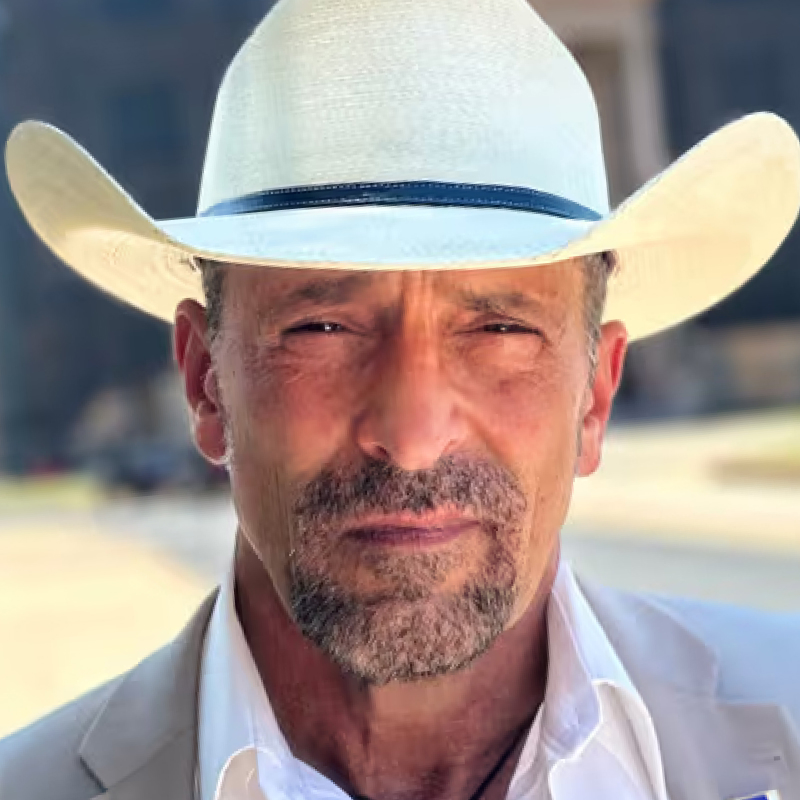 Campaign photo
Pete “Doc” Chambers
Republican
💰 Campaign finance:
💰 Major donors this cycle:
A. Austin, software developer: $30,000
Frederick Mueller, owner of Mueller Metals: $22,000
Case Chambers, oil & gas: $10,000
Cyrena Nolan, retired: $10,000
Experience:
President of the Remnant Ministry TX
Retired U.S. Army lieutenant colonel and Green Beret
Primary care physician, including as a task force surgeon assigned to Operation Lone Star
Political ideology: Chambers is challenging Gov. Greg Abbott from the right, arguing that Abbott has presided over a decade of “all optics and no action” on issues including property taxes and the border.
Policy stances:
Abolish property taxes
Secure the southern border
Secure energy and water infrastructure by increasing natural gas and desalination projects
End private school vouchers
Curb in-state hiring of H-1B visa recipients and foreign labor
How to contact or learn more:
info@docpetechambers.org
13501 Ranch Road 12 Suite 103
Wimberley, TX 78676
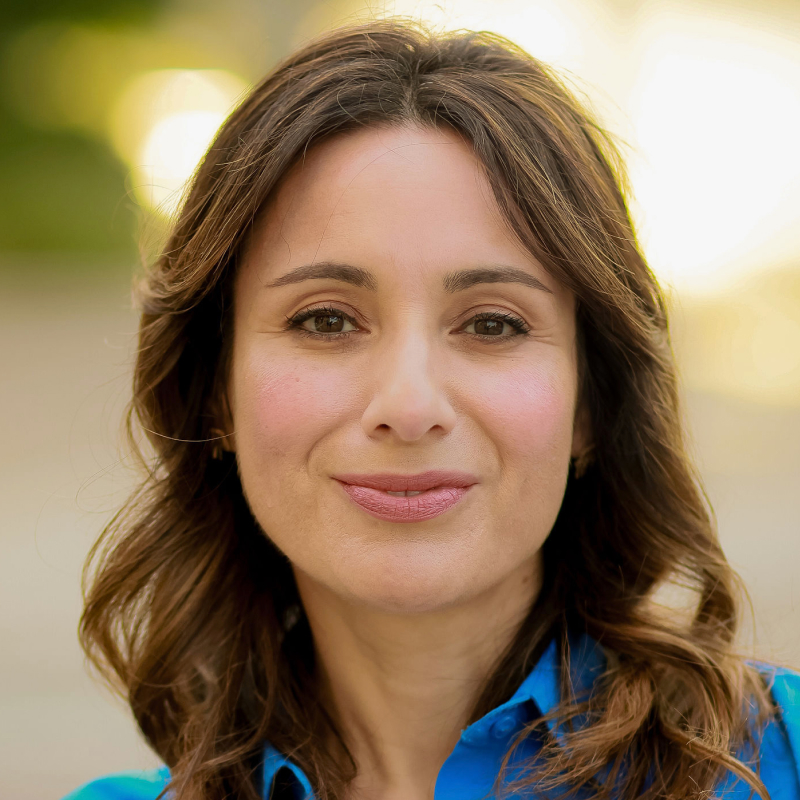 Campaign photo
💰 Campaign finance:
💰 Major donors this cycle:
Hinojosa loaned herself $300,000
Suzanne Booth, philanthropist and winemaker: $25,000
Texas American Federation of Teachers’ political fund: $10,000
Experience:
Serving her fifth term in the Texas House of Representatives
Previously served as president and an at-large member of the Austin Independent School District Board
Civil rights and union lawyer at the American Federation of State, County and Municipal Employees; Kator, Parks & Weiser in Austin; Catholic Charities, Office of Immigrant Concerns; Texas Rural Legal Aid; and the Equal Justice Center.
Political ideology: Rice University political science fellow Mark Jones ranked Hinojosa, who serves as vice chair of the Texas Legislative Progressive Caucus, as one of the most liberal members of the Texas House in every legislative session since she was elected. Her marquee issue was investing in public education, but she also worked on health care funding, corporate reform and public safety issues.
Policy stances:
Supports investing in school safety and increasing teacher pay.
Opposes private school vouchers.
Rein in private equity in health care industry to lower costs and improve quality
Lowering costs by providing opportunities for small businesses and working Texans
In the news:
How to contact or learn more:
info@ginafortexas.com
Gina Hinojosa Campaign
P.O. Box 300095
Austin, TX 78703
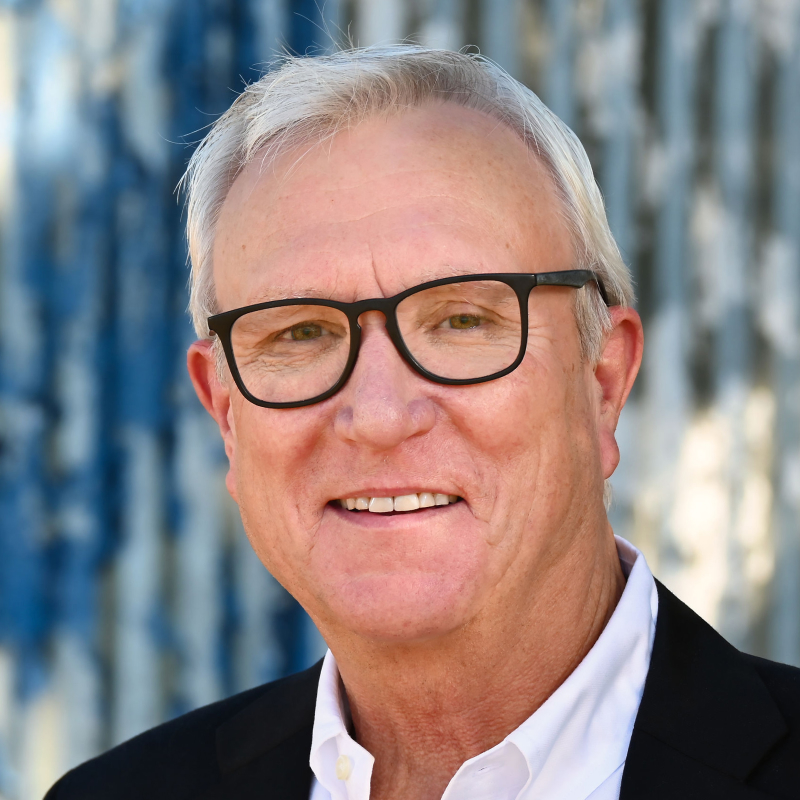 Campaign photo
💰 Campaign finance:
💰 Major donors this cycle:
Mike Lowenberg, attorney at Lowenberg Law Firm: $25,000
Elis Zhonga, owner of Pipeline Equities LLC: $2,050
Gerardo Menchaca, immigration attorney: $1,000
Experience:
Served one term in Congress before he was drawn out of his district in redistricting
2006 Democratic nominee for Texas governor
Former Houston City Councilmember
Journalist turned lawyer
Has run and lost races for governor, U.S. Senate, Texas House, Texas Senate and Houston mayor
Political ideology: Bell describes himself as a “lifelong Democrat” who focused on ethics and integrity while in government. During his 2020 run for Senate, Bell backed Medicaid expansion, a ban on assault weapons and a mandatory assault weapon buyback program, and he emphasized the need to fight climate change.
Policy stances:
Boost public education, oppose private school vouchers
Rein in insurance costs
Improve state transportation by subjecting Texas Transportation Commissioners to strict conflict-of-interest rules, term limits and mandatory disclosure of cost-benefit analyses for major projects.
In the news: Former U.S. Rep. Chris Bell joins Texas Democrats seeking to unseat Gov. Greg Abbott
How to contact or learn more:
Contact form
Chris Bell for Texas
P.O. Box 2161
Houston, Texas
77252
 Campaign photo
💰 Campaign finance:
💰 Major donors this cycle:
Stephen Martin, not employed: $1,010
Cara East, not employed: $1,250
Mike Nichols, retired: $1,000
Experience:
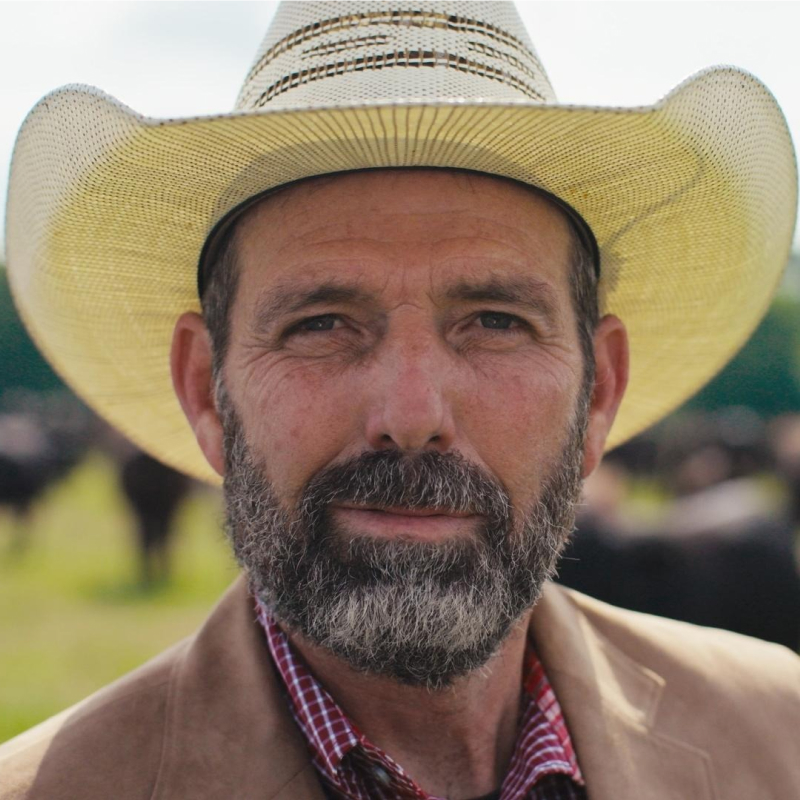
Cattle rancher and poultry producer
retired firefighter
Political ideology: Cole describes himself as a pro-worker Democrat with a “no-nonsense approach” to solving problems, and he emphasizes his rural roots.
Policy stances:
Raise the minimum wage
Legalize marijuana
Lower property taxes
Expand Medicaid
Restore in-state abortion access
Increase public school funding and end private school vouchers
How to contact or learn more:
Contact Bobby Cole
Cole 4 Texas
P.O. Box 1026
Quitman, TX 75783
Disclosure: Energy Transfer and Rice University have been financial supporters of The Texas Tribune, a nonprofit, nonpartisan news organization that is funded in part by donations from members, foundations and corporate sponsors. Financial supporters play no role in the Tribune’s journalism. Find a complete list of them here.