
Georgetown officials began planning for a potential bond election in May 2027, which would help the city address long-term infrastructure needs.
While current debt capacity is committed through the next three years, the city aims to identify road, park and facility projects to support projected population growth.
“If we look beyond three years, we do not have any projects that have been voter approved,” Assistant City Manager Nick Woolery said at a Jan. 13 City Council workshop. “So once we get beyond those three years, it’s really time to start thinking through what projects [we are] going to use that capacity for.”
In a nutshell
Woolery said a May 2027 bond election is the ideal timing to allow projects to begin construction in 2029.
City Council will work to prioritize projects from now until 2027 leading up to the election. Potential projects come from city master plans approved in recent years, such as the Future Mobility Plan and the Downtown Master Plan, as well as projects that already have preliminary engineering complete, Woolery said.
These projects include:
San Gabriel Park Phase 4Hwy. 29 EastFM 971NE Inner Loop“A lot of planning work has been done, which I think will make it a little bit easier for council to prioritize projects,” Woolery said.
The history
Georgetown voters approved bond packages in 2008, 2011, 2015, 2021 and 2023, according to city documents.
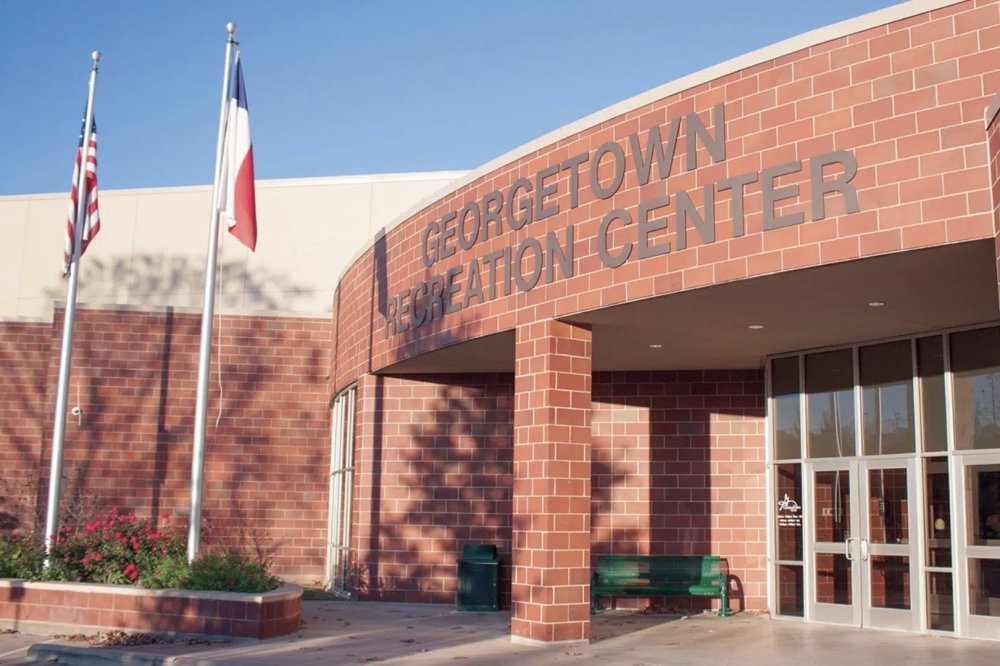
Of these approved bond packages, there is $122 million available to be issued. The majority of this funding will go toward facilities projects approved in 2023 and slated for construction over the next three years, Woolery said. Those projects include building the new Customer Service Center, and expanding and renovating the Georgetown Recreation Center.
Explained
Cities and other municipalities must hold an election and receive voter approval in order to issue bonds paid for through property taxes, according to state code.
“We can let the citizens decide if they want more roads, if they want less traffic,” Mayor Pro Tem Kevin Pitts said at the Jan. 13 meeting. ”It’s going to cost money to do it.”
Georgetown can also fund capital projects through alternative methods, such as certificate of obligation bonds that don’t require voter approval, partnerships with developers and the county, traffic impact fees, and grants.
What’s next
The city is early in the bond project planning process and will continue to have workshops in the coming months, Woolery said.
Council members also supported creating citizen bond committees to help prioritize projects.
“I think we need more people out there helping us educate and do that,” Pitts said. “There will be advocates out there besides us and besides the city and besides our paid consultant providing education, providing the correct information.”