
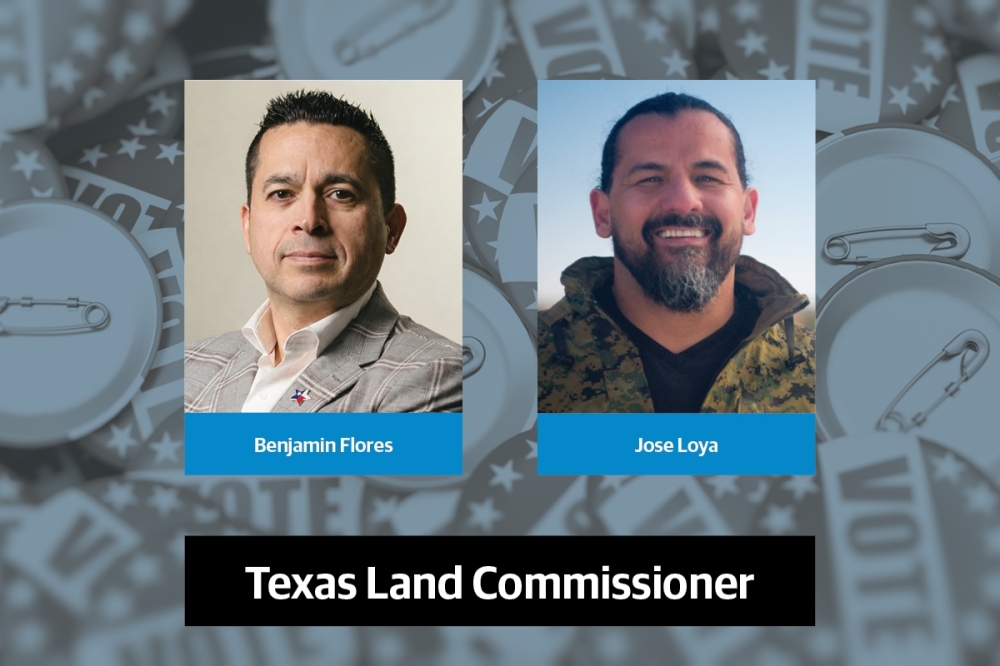
Two Democratic candidates are running to lead the Texas General Land Office in the upcoming March 3 primary election.
The big picture
Benjamin Flores and Jose Loya are vying for the Democratic nomination for Texas land commissioner. The winning Democratic candidate will face Republican incumbent Dawn Buckingham in November, and the winner of that election will begin serving as land commissioner in January 2027.
Buckingham, who is seeking a second four-year term as land commissioner, is running uncontested in the Republican primary. Community Impact runs candidate Q&As for contested races only.
Did you know?
The General Land Office manages 13 million acres of state lands, with duties such as allocating disaster recovery funds, leasing state lands to generate revenue for the state’s Permanent School Fund, preserving state landmarks such as the Alamo and overseeing several veterans programs. It is Texas’ oldest state agency, according to its website.
Preparing for the polls
Early voting begins Feb. 17 for March 3 primary races across Texas, including 18 statewide races and various local races. Registered voters may cast ballots in either Texas’ Republican or Democratic primary, but not both. Third-party candidates will appear on the ballot in November.
For more election coverage, visit communityimpact.com/voter-guide.
What you need to know
Community Impact gave all candidates running for statewide office more than three weeks to complete the primary election questionnaire and communicated with their campaigns periodically. Community Impact’s goal with election Q&As is to provide a side-by-side, equitable resource for Texas voters to review candidates’ perspectives as they prepare to head to the polls.
To ensure that candidates are the ones defining their positions in Community Impact’s voter guide, if candidates did not complete the questionnaire after multiple attempts to contact them, the website reads “candidate did not respond to questionnaire before press time.” Candidates were informed of this policy.
Candidates were asked to keep responses under 50 words, answer the questions provided and avoid attacking opponents. Answers may have been minimally edited or cut to adhere to those guidelines, or for style and clarity.
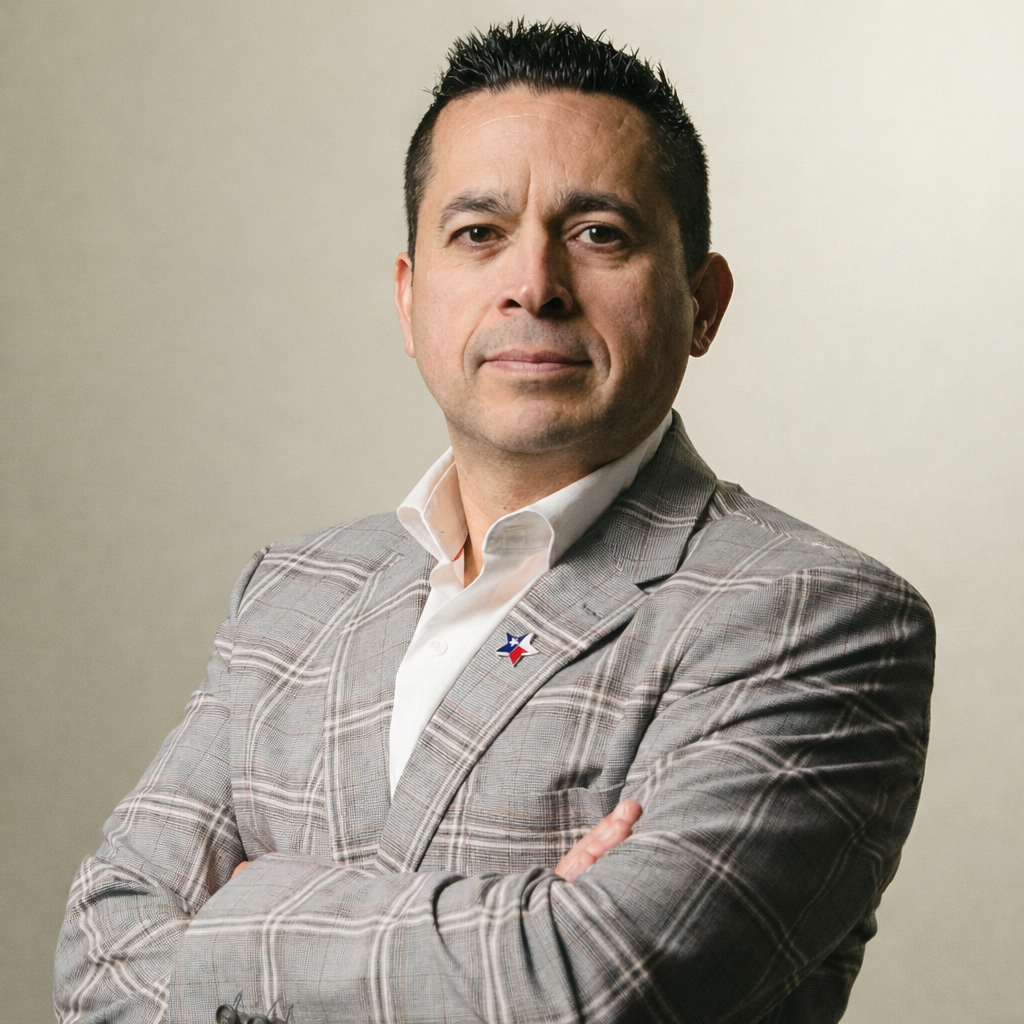
What would your top priorities be if elected?
Increase GLO revenue to fund public schools and lower property taxes. Make the Veterans Land Board faster and easier to access. Protect coastal communities from storms and speed up disaster recovery. The GLO’s job is simple: Help Texans thrive. I’ll refocus the agency on that mission.
How do you plan to expedite disaster recovery efforts and ensure those efforts are equitable?
Prioritize the people who need help the most, first, right away. Not after months (or years!) of waiting. I’ll cut red tape and track recovery by community demographics. No funny math. We’ll know who’s getting served and who’s being left behind. Equity means action.
How do you intend to distribute federal disaster recovery funds across the state and ensure that aid reaches rural and low-income communities?
Public dashboards showing where money goes and how fast. Partner with cities and local organizations that know their communities. Outreach in multiple languages. Rural and low-income areas often lack resources to navigate bureaucracy. The GLO should go to them, not wait for them to figure it out alone.
How will you advance the GLO’s goal of generating revenue for the Permanent School Fund while preserving Texas lands?
Smarter land management and leasing. Open more opportunities for renewable energy on state lands. Better data to guide decisions. Generating revenue and preserving land aren’t opposites. Short-term thinking treats them that way. I’ll take a long view so Texans have something left for the next generation.
What do you see as the greatest challenge for Texas in the next five years?
Climate resilience. We see storms are stronger. Insurance is crushing coastal families, like mine. Water supply is already strained. Texas keeps growing, but our infrastructure isn’t keeping up. We need serious investment in mitigation and planning. The GLO can lead on coastal protection. I will.
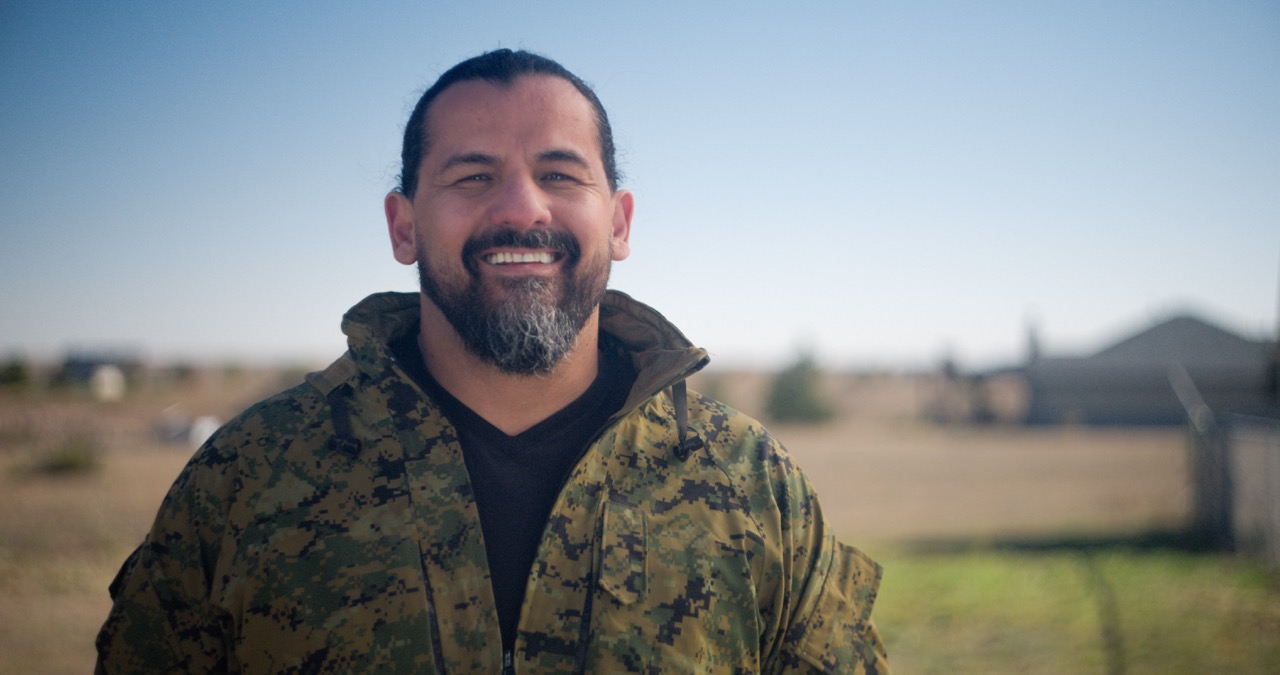
What would your top priorities be if elected?
My top priority is restoring accountability and transparency at the General Land Office. I will expand outreach so Texas veterans can access the benefits they’ve earned, strengthen public school funding by demanding fair market value for public resources, and responsibly protect Texas land, coast, and historic sites for future generations.
How do you plan to expedite disaster recovery efforts and ensure those efforts are equitable?
As land commissioner, I will work with local governments and recovery partners to set clear timelines, require transparency, and prioritize need-based recovery. After disasters like Hurricane Harvey, some communities waited far too long for help. Recovery must be timely, equitable, and based on impact—not politics or ZIP code.
How do you intend to distribute federal disaster recovery funds across the state and ensure that aid reaches rural and low-income communities?
Having spent most of my life in a rural community, I’ve seen how rural and low-income areas are often the last to receive help. As land commissioner, I will distribute recovery funds based on need and impact, not influence, establish satellite recovery centers, and invest in prevention as disasters grow …
How will you advance the GLO’s goal of generating revenue for the Permanent School Fund while preserving Texas lands?
As land commissioner, I will strengthen public education by growing the Permanent School Fund through transparent, responsible management of state lands. I will demand fair market value for energy and mineral leases, end sweetheart deals, and balance development with conservation so schools benefit without raising taxes.
What do you see as the greatest challenge for Texas in the next five years?
The greatest challenge for Texas in the next five years is the widening inequality gap as billionaires grow wealthier while too many families struggle to afford groceries, housing, and basic needs. Without responsible planning, rural communities, veterans, and students are left behind. Texas must strengthen civic participation so public resources …