
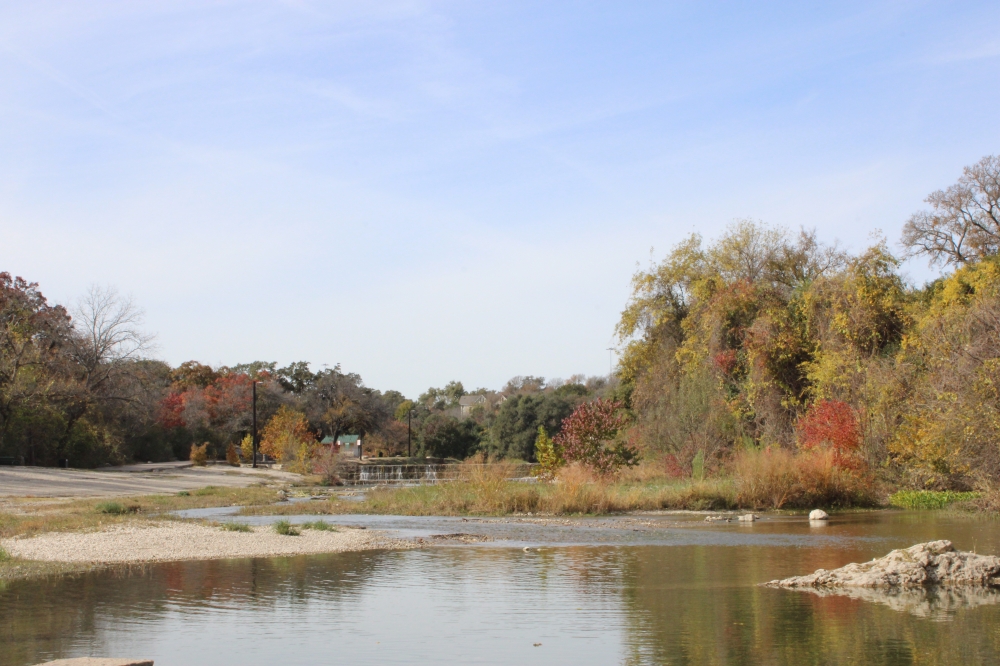
Georgetown officials are developing an urban forest master plan to preserve and plant trees in the city as well as create guidelines for tree planting to ensure they grow.
The details
An urban forest master plan would help form strategies and programs to preserve heritage trees, determine where and how to plant trees, maintain existing trees and integrate urban forest considerations into current city planning.
The plan will explore how to best use funding available in the tree mitigation fund, Parks and Recreation Director Kimberly Garrett said at a Jan. 13 City Council workshop.
How it works
The master plan will include an assessment of the existing tree canopy to find areas suitable for new trees and create an inventory of trees on public property.
“It really starts with data collection; you’ve got to figure out what you have before you move forward to understand the conditions, including the public and private trees,” Garrett said.
The data collection will help inform the vision for the city’s urban forest and future goals for the canopy, including understanding risk factors such as wildfire and tree disease.
City officials also plan to have a public engagement process to receive feedback from residents and explore partnerships and volunteer opportunities.
Why it matters
Trees have many ecosystem benefits, such as improving air quality, mitigating heat and absorbing stormwater, Garrett said. These benefits decline with the loss of urban forestry.
Development, decay and natural disasters can all contribute to urban forest loss, she said.
“We’ve lost a lot of trees in the river with the flooding,” Garrett said.
What’s next
The city hopes to secure a contractor to develop the plan by May and complete the urban forest master plan by the end of the year.