
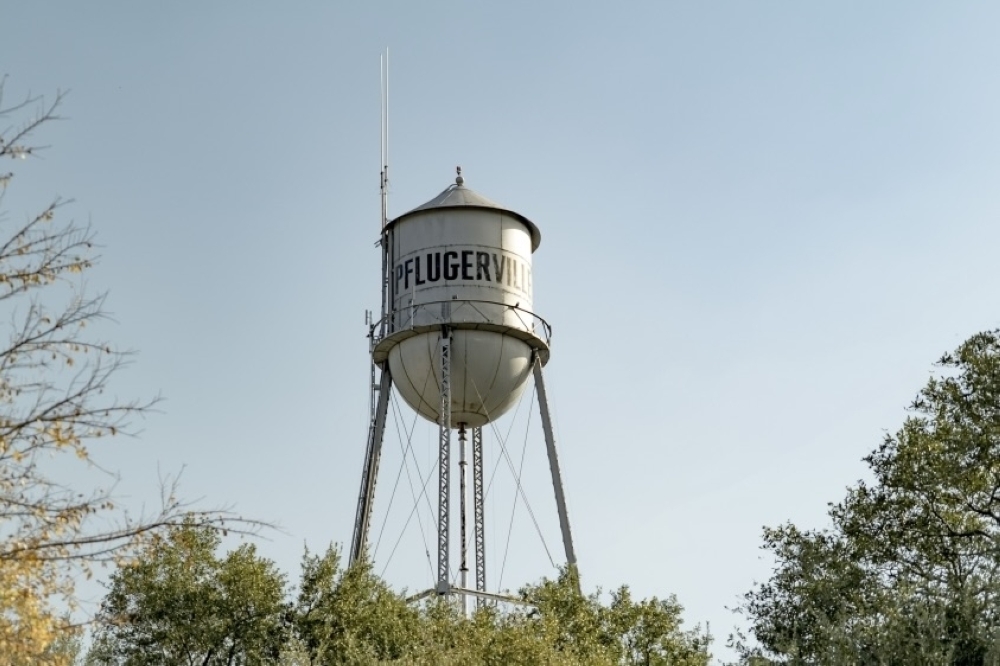
Pflugerville City Council unanimously approved two ordinances authorizing more than $80 million in certificates of obligation bonds to fund major water infrastructure improvements, including a secondary raw water pipeline and upgrades to the city’s water treatment plant.
The bonds will be sold to the Texas Water Development Board, allowing the city to secure interest rates significantly lower than those available on the public market.
The details
The approved bond packages include:
$52.93 million in combination tax and surplus revenue certificates of obligation, series 2026A$27.18 million in series 2026B certificates of obligationThe series 2026A bond provides final funding for the city’s Secondary Colorado River Raw Water Line project, which includes about 15 miles of pipeline and a pump station expansion, as well as upgrades to the water treatment plant and related infrastructure.
Finance Director Tracy Waldron said the city originally applied for up to $72 million in financing for the project, but will issue less than expected after costs came in below projections.
“We’re not issuing the full amount that we applied for,” Waldron said, adding the city also secured $1.1 million through a Travis County interlocal agreement and $2.4 million in FEMA grant funding for a generator at the site.
The series 2026B bond funds the final phase of the water treatment plant expansion, including mechanical, electrical and control system upgrades, as well as water lines, pumps, valves and related infrastructure.
Waldron said the project had previously been listed at a higher amount under a 2025 certificate of obligation before the Texas Water Development Board funding was approved.
Because the final cost was lower, the city was able to reallocate previously approved funds to other water projects, including the Weiss-Pecan waterline project.
Project funding
The certificates of obligation are secured by a property tax pledge, as required under state law. However, city officials said a portion of the debt will be repaid using water and wastewater utility revenues, reducing reliance on the city’s general fund.
Because no valid petition was filed during the public notice period, voter approval was not required.
What’s next
Both ordinances were approved on first and final reading following required public hearings. No residents spoke during either hearing.
City officials said the bond approvals represent the final debt issuances needed for the secondary raw water line and water treatment plant expansion projects.