
As San Antonio and other U.S. cities grapple with how to address rising housing costs, local leaders are looking to create a pair of community land trusts to offer affordable options on the West and Northwest sides.
Organizers behind the Silk Road Community Land Trust and the Mexican American Unity Council Development Fund are asking the City Council to designate each one as a land trust that would buy and sell houses below market rate. They would then sell the homes to families who might not otherwise be able to afford it, providing them a path to homeownership.
In a land trust, people who must meet income requirements buy a house and lease the land underneath it from the organization, lowering the purchase price. The land trust limits how much the house can be resold for, and property taxes are based only on a portion of the assessed value.
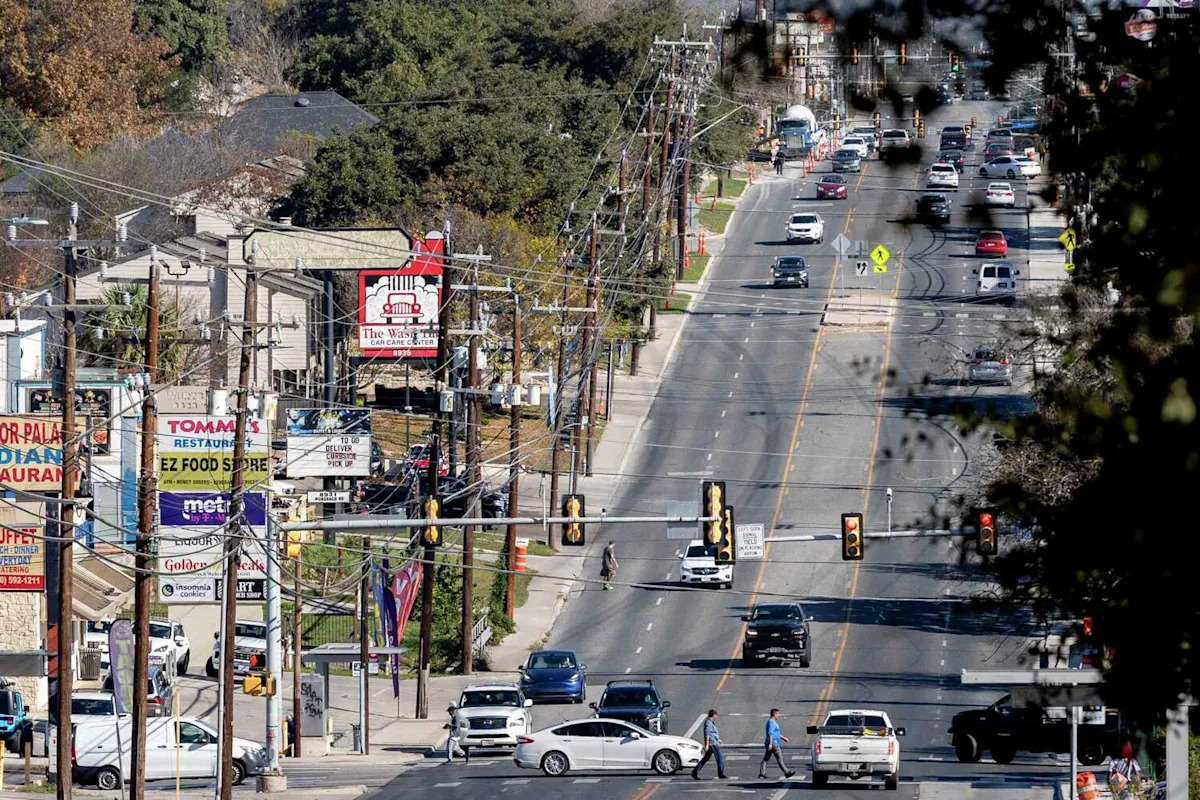
Culturingua, a San Antonio nonprofit that provides programs and services for the many immigrants and refugees who have made the Northwest Side their home, is spearheading the Silk Road land trust. In 2024, the city designated a section of Wurzbach Road as San Antonio’s “Silk Road Cultural Heritage District.”
The land trust would encompass a 15-square-mile area in Northwest San Antonio stretching from Loop 1604 to the north, railroad tracks to the east and Culebra Road to the south and west. The Deco District, Woodlawn Lake and Monticello Park as well as suburban cities such as Leon Valley and Balcones Heights are not included.
The land trust plans to buy 24 houses by 2028, with six houses geared toward families making up to 60% of the median income in the San Antonio metropolitan area and the rest for households earning up to 120%.
The Mexican American Unity Council, a San Antonio community development corporation, has for years helped residents clear their house titles and apply for homestead and other tax exemptions. The organization is focusing on the West Side for its land trust, which would reach from Fredericksburg Road to Interstate 410 to the north, Callaghan Road to the west, Southwest Military Drive and General Hudnell Drive to the south and Interstate 35 to the east.
It plans to acquire 55 houses in its first five years for families earning up to 120% of the median income and is asking the city for a partial tax exemption for unsold homes. The trust wants to buy 10 of those houses in the next two years, with seven reserved for families earning up to 80% of the median income and the rest for people making up to 60% of the median income.
The City Council’s four-member Planning and Community Development Committee unanimously approved both proposals. The council is expected to vote next month on designating both land trusts.
“We want to see community-based organizations that are established in the community work on these types of land trusts, and not outside developers coming in. I think it’s very important what you all are doing,” said Councilman Edward Mungia, whose District 4 would include part of the Mexican American Unity Council’s land trust.
Land trusts are fairly new in San Antonio, though not in other cities around the country. The Esperanza Peace & Justice Center set up a separate nonprofit for a land trust in 2023 and has been acquiring houses on the West Side.
Civil rights organizers created the first land trust in 1969 in southwest Georgia to help Black families buy land. There were 310 land trusts across the U.S. as of 2024, according to the nonprofit International Center for Community Land Trusts.
Setting up a land trust or assisting an organization in doing so is one of the recommendations in San Antonio’s Strategic Housing Implementation Plan, a document council members approved in 2021 to guide construction and preservation of affordable housing.
In 2024, council adopted a policy to designate land trusts, which must give information to the city about what services each land trust will provide, who it will serve, how it aligns with the city’s housing goals, its financial viability and what organizers have done to garner community support.
This article originally published at San Antonio orgs move forward with plans for affordable housing tool.