
Travel inflation in Dallas is lower than the 14.5% national average, but climbing restaurant prices are still leaving visitors and locals with a sour taste.
The struggle to keep up with post-pandemic travel demand and inflation has led to increased costs for dining, lodging and transportation.
The sudden increase in tourism has mostly affected mid-sized and smaller cities, where demand has outpaced local infrastructure’s capacity, driving prices higher.
Historically budget-friendly cities became increasingly popular for domestic travel after the pandemic, said Michael Stromberg, the chief technology officer at Lattice Publishing and collaborator on Luxury Link’s report on travel inflation.
Business Briefing
“More and more people are looking for alternatives for family vacations that fit their budget,” Stromberg said.
Bigger cities aren’t experiencing such abrupt changes in travel demand, allowing prices to remain more stable.
In Dallas, cost hikes are on the lower end.
Diana Moreno, the report’s author, said families visiting Dallas have experienced a more moderate increase in travel costs.
“Larger cities with more established travel infrastructure, like Dallas or New York, can accommodate increased demand without as dramatic an increase in overall trip costs,” Moreno said.
In smaller cities like Albuquerque, the total cost of a four-night trip for a family of four has risen by 27.7%. Similarly, Las Vegas saw a 24.8% increase, according to Luxury Link.
Based on the same scenario analysis, Dallas showed a 12.4% increase, indicating that family vacations to Dallas are now more expensive than in 2019. Still, Dallas’s overall vacation cost change is less than the national average of 14.5%.
Dallas’s strong hotel infrastructure is one factor mitigating travel costs.
Dallas has been one of the country’s top hotel markets for several years, with a record-high of 194 projects and 22,803 rooms, according to the 2024 United States construction pipeline trend report from Lodging Econometrics.
In 2019, Dallas had 128 hotel properties accounting for approximately 80% of the room supply and demand, according to the Dallas Tourism Public Improvement District (DallasTPID) 2020 annual meeting report.
Forbes reported that, according to Lodging Econometrics, 34 new hotels are planned in Dallas for 2026.
Even though Dallas’s new hotel construction amortizes travel costs, vacation prices have still increased since 2019.
Luxury Link shows that lodging costs in Dallas rose 16.1%, followed by 5.8% for round-trip flights and 3.4% for rental cars.
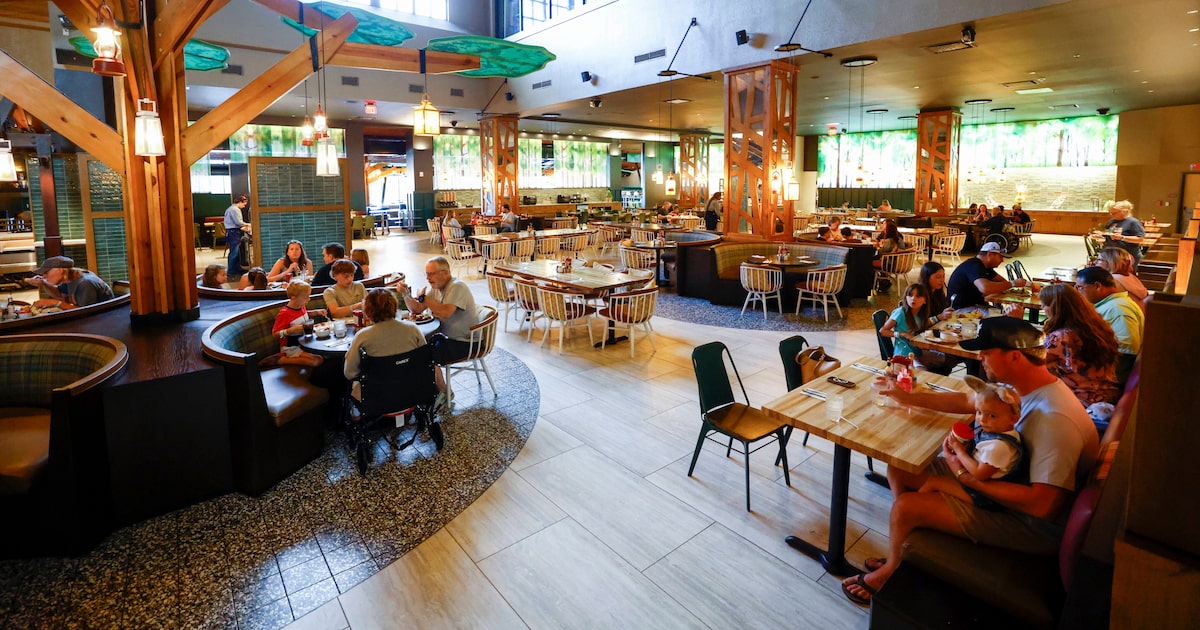
The largest contributor to rising travel costs in Dallas is meals, which increased by 21.2%.
Dallas-area resident Rahel Tesfaye, 26, acknowledged the boost in dining costs.
“Now I pay at least three dollars more than what I used to pay,” Tesfaye said. “I try not to eat much outside because of that.”
The major inflation in the beef industry, labor shortages, supply chain disruptions and the new tariffs on imported goods contribute to the increase in dining prices.
The same trend is evident nationwide. Wholesale food prices continue to rise well above their pre-pandemic levels. As of November 2025, the Producer Price Index (PPI) for all foods stood 37% above its February 2020 reading, according to the National Restaurant Association.
Despite rising tourism costs, travelers still have various options to manage their budgets.
Booking during off-peak times, traveling during the shoulder season, using public transport and cooking instead of dining out can significantly lower costs.