
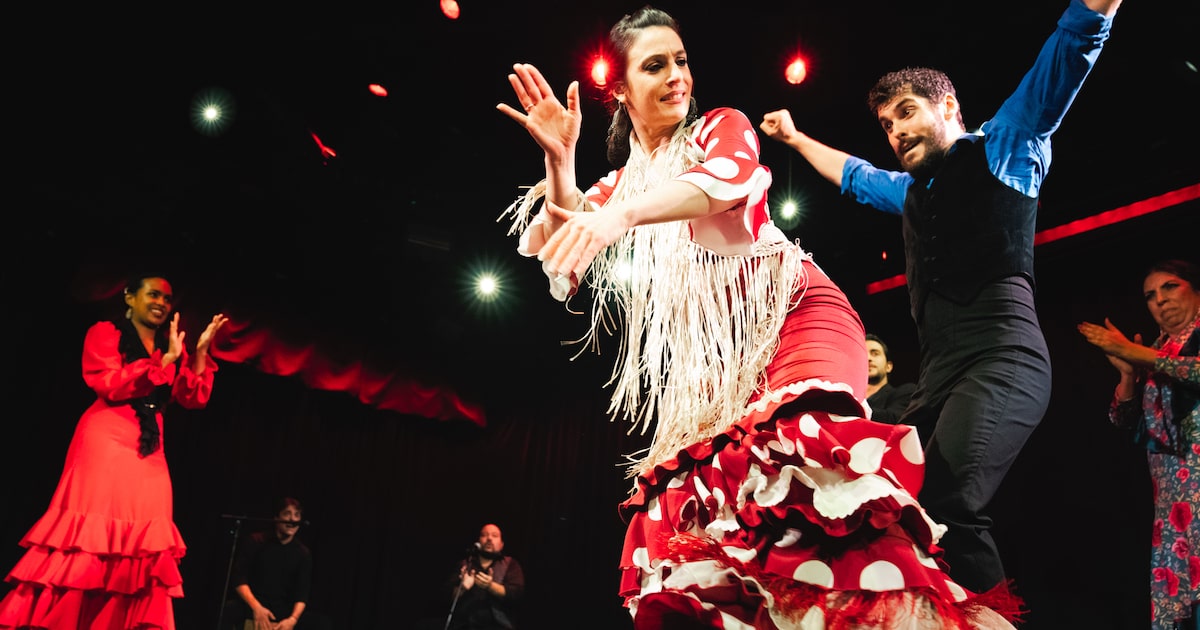
Flamenco has been around for hundreds of years, developed in southern Spain by ethnic groups from across the region fleeing oppression beginning around the time Columbus sailed for America.
By the mid-1800s, the music and dance form was being performed on small cafe stages in and around Andalusia. As it grew more professional, a new type of venue emerged in the 1950s: el tablao, named for the wooden platforms used by the dancers.
Flamenco Vivo Carlota Santana seeks to preserve that heritage, capturing the raw intensity and intimate, improvised interplay of the performers in Tablao Flamenco, coming to Dallas as part of the TITAS/Dance Unbound series. The international cast includes five dancers, two singers and a guitarist.
With roots in Spain, the New York City and Durham, N.C.-based troupe co-founded in 1983 by Santana, who serves as artistic director, is making its Dallas debut.
News Roundups
“Flamenco is such a passionate and exciting form to watch,” TITAS director Charles Santos says in a promotional video. “It is the epitome of Spanish culture.”
Details
Feb. 6 and 7 at Moody Performance Hall. Tickets at attpac.org.
CORRECTION, 11:17 a.m., Jan. 29, 2026: An earlier version of this article included incorrect information about the cast performing at the shows.
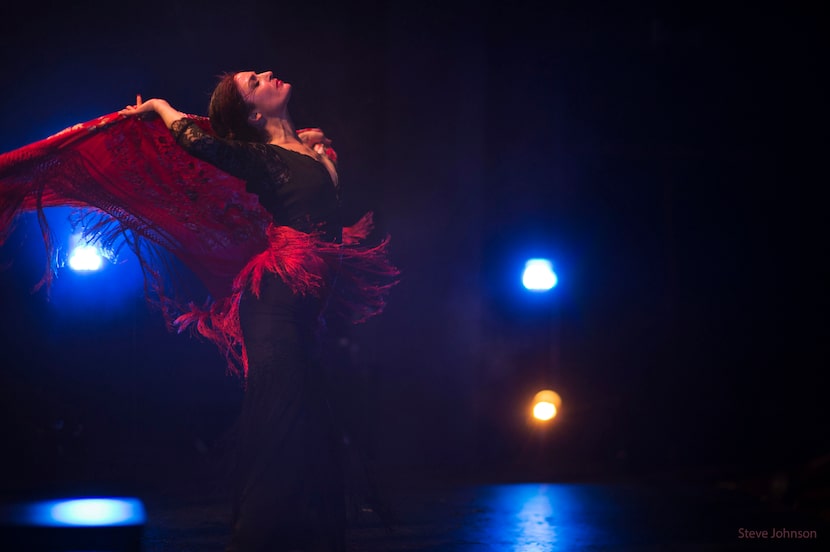
Fanny Ara is one of the international stars of Flamenco Vivo Carlota Santana’s “Tablao Flamenco.”
Steve Johnson
 ‘Macho Flamenco’ challenges traditional gender roles
The Dallas troupe Flame Foundation aims to break barriers by putting male dancers in dresses and shawls.
 How a first-date conversation led to a bold new Dallas production
“Lungs,” a minimalist two-hander about a couple debating whether to bring a child into the world, is part of the AT&T Performing Arts Center’s Elevator Project series.