
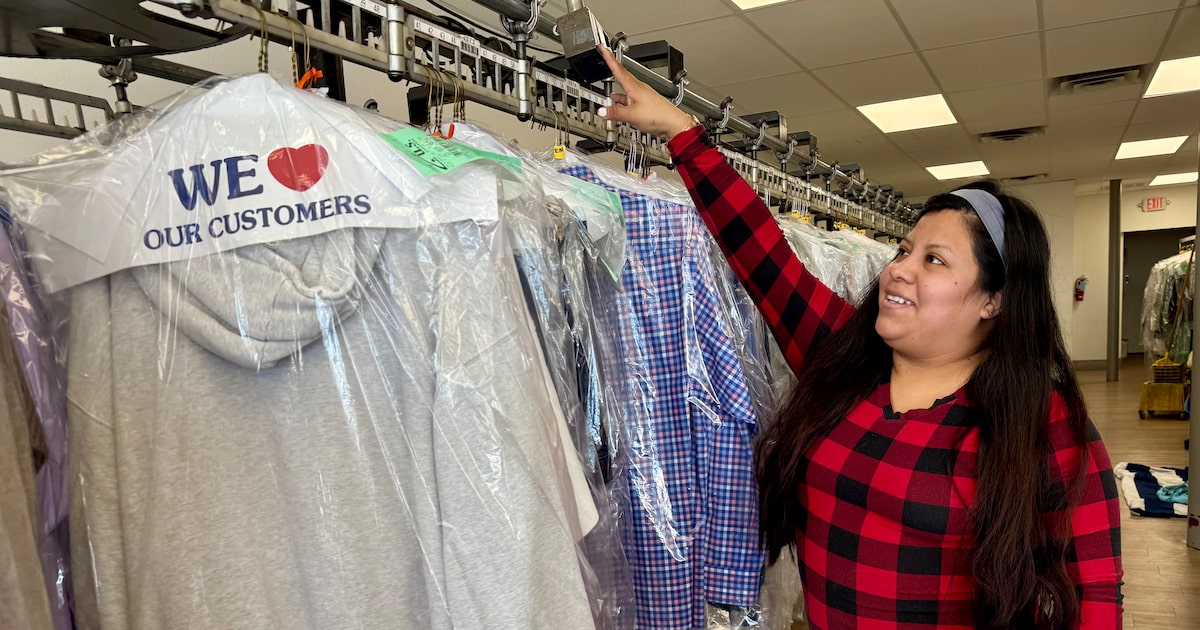
Over the next two weeks, Andrea Paz will have to use her imagination to make the most of the food she has in her pantry so she doesn’t have to buy anything at the supermarket.
It’s not because she doesn’t want to, but she lost four days of work due to the winter storm. Her pay will be reduced by almost $400, which represents two weeks’ worth of groceries for her and her two children.
“The rent is coming up and we have to pay all the bills; those payments can’t wait,” Paz told The Dallas Morning News. “We’re going to have to save as much as we can on food to recover.”
Paz works at a dry cleaner in North Dallas. The business closed on Friday afternoon, Jan. 23, and did not reopen until noon on Tuesday, Jan. 27. Those lost days represent almost half of her biweekly income.
Business Briefing
Related
“We still don’t know exactly how we’re going to do it,” Paz said, “but we’re going to have to figure out how to save money.”
The recent winter storm paralyzed North Texas for about four days, leaving thousands of workers without income. Some businesses and school districts remained closed on Thursday, Jan. 29 — six days.
This left thousands of hourly workers helpless, wondering how they would recover the money they lost to pay their rent and utilities, many of which are due on Sunday, Feb. 1.
Dietrich Henderson, a mechanic who also works delivering Amazon packages from his own car, is in almost the same situation as Paz.
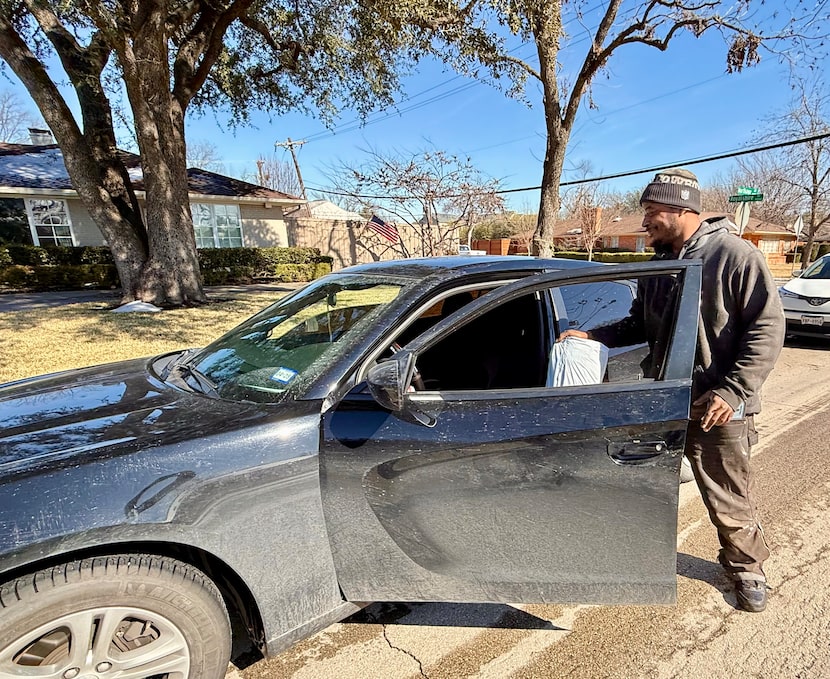
During the winter storm and the days after, Dietrich Henderson was unable to work on his two jobs, as a mobile mechanic and as a flex Amazon driver.
Imelda García / Staff writer
Henderson has a mobile mechanic business, and during the winter storm, he was unable to go to work due to road conditions. He was also unable to deliver Amazon packages for the same reason.
“Between the two jobs, I lost about $2,000 in five days,” he told The News. “I’m going to have to work harder in February to make up for it.”
Henderson had a little more work in December, which allowed him to save some money that he will now use to pay February’s rent, but he will still have to figure out how to earn more income to pay for food and expenses for his family, which includes three children.
Charles Johnson has been an Uber driver for almost a year, and during the winter storm, he chose not to go to work so as not to put himself or his car at risk.
“I don’t think it was worth having an accident that would end up being more expensive,” Johnson told The News.
He estimates he lost about $800 in the four days he was unable to work, leaving him without vital income to pay next month’s rent.
“The good thing is that my apartment allows me to pay by credit card, so I’ll have to use that,” Johnson said. “I don’t want to be evicted for not paying my rent.”
A weather event like this week’s hits hourly workers directly in the pocketbook.
According to the Federal Reserve’s Report on the Economic Well-Being of U.S. Households 2024-2025, 37% of households in the country cannot pay a $400 emergency expense in cash.
Óscar Reyes works in construction and has not been to work since Friday, Jan. 23. Although he always tries to maintain a savings fund to cover emergencies or days when he cannot work, being out of work for almost a week throws his finances off balance.
“I have my family in Mexico and I always send them money, and if the money doesn’t arrive, well, I have to figure out how to make sure I don’t miss that commitment,” Reyes said.
On Thursday, he was told he couldn’t go to work because the site where they are building is still thawing, and he is not sure if he will be able to return this Friday.
“I’m not too worried because my expenses are covered,” he said, “but I have many coworkers who have been hit hard, and I’ve even had to lend money to some of them to pay their rent.”
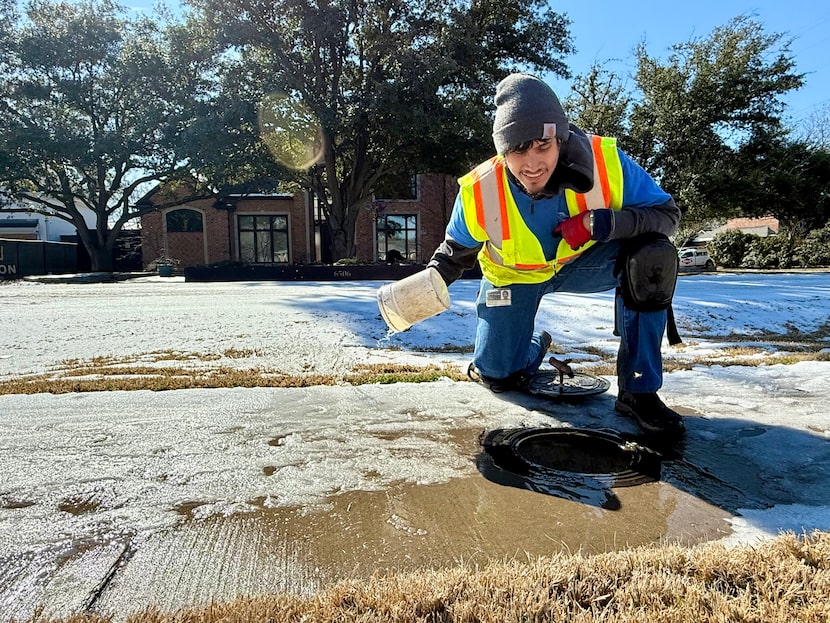
Luis Arredondo returned to work on the streets of Dallas after spending the first few days of this week working from home.
Imelda García / Staff writer
Luis Arredondo went back to work on the streets on Thursday. Although he did not lose his income because he works for the City of Dallas, Arredondo said he always tries to be prepared in case something happens that leaves him without income.
“With this weather, you never know,” Arredondo said. “But thank God they had me taking some courses these days, and they are going to pay me.”
Equipped with a hammer and a bucket to remove water from the manholes, Arredondo checks the water meters to determine each home’s consumption and always treads carefully to avoid slipping on the ice.
“I started this job in October, and before that, I really struggled because I couldn’t work in the ice and had to find money to make ends meet,” Arredondo said. “But now I feel blessed because I’m going to get my full paycheck.”