
By James Revels
February is Black History Month, a time set aside years ago to reflect on the contributions and achievements of Black Americans to our history. Black history is American history.
 James Revels
The history of El Paso cannot be told without including the contributions of Black Americans. Even though Blacks constitute a very small portion of our population, they continue to contribute to our success.
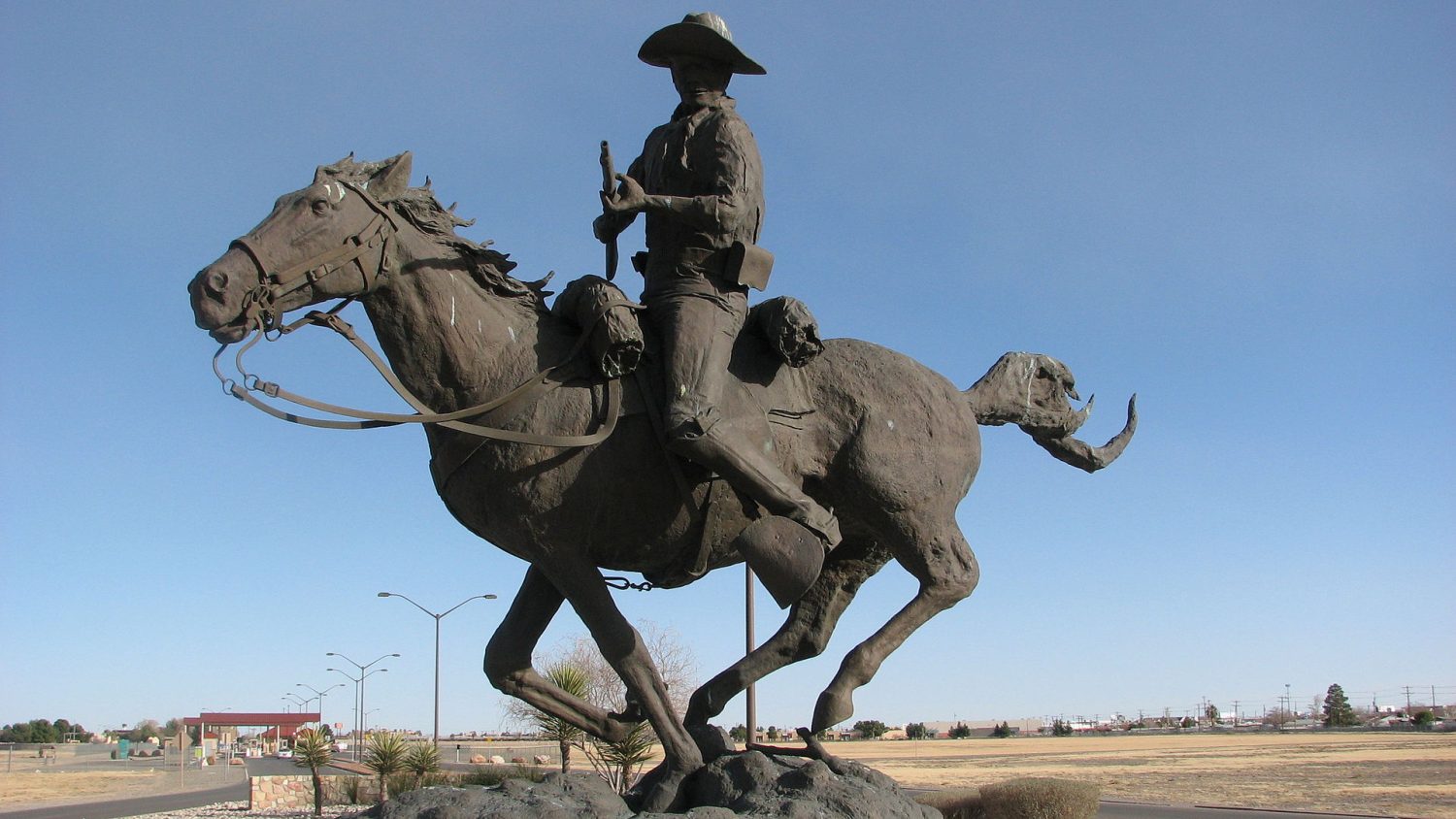
One of the early contributors can be found in the history of Fort Bliss and the all Black units that served there. Following the Civil War, Congress created four Black regiments, two cavalry and two infantry, on July 28, 1866. The 9th and 10th Cavalry Regiments were among the early units that called Fort Bliss home. As one of the few opportunities for freed Black men, the military provided unequaled opportunities to contribute to our history.
Soldiers of the 9th and 10th Cavalry, known as Buffalo Soldiers, helped restore order to the Wild West following the Civil War. They served in Texas, New Mexico and Arizona, building forts, guarding railroad construction and contributing to the economic success of the virgin territory.
Much of El Paso’s history is tied, even today, to Fort Bliss. Many of the soldiers who served there stayed in El Paso, calling it home after service. Among these are C.S. “Dusty” Rhodes and Carl Robinson, both retired military, who were elected to El Paso’s City Council.
Renard Johnson, the first Black mayor, is continuing the tradition of service and contribution of Black El Pasoans.
Dr. Lawrence Nixon is one of the most influential Black men in El Paso’s history. A civil rights pioneer, he cared for thousands of El Pasoans. He led the legal fight to end white-only voting in the Texas Democratic primary. In 1944, the Supreme Court overturned the practice. The right to vote is still under assault today.
El Paso schools were among the first in Texas to integrate, following the historic Brown ruling in 1954. Texas Western College (known as UTEP today) became the first in the University of Texas System to admit Black students.
In 1966, Don Haskins assembled an all-Black starting lineup that defeated college basketball’s top team, Kentucky, in the NCAA championship. That event marked a turning point in the nation’s sports history. Today, Black athletes can be found across the college and professional sports sector.
Because Black contributions and achievements came in the face of hate, bigotry, discrimination and racism, we need to take this moment of recognition to address the declining state of race relations in this country.
Battles for equal treatment and justice, fought and won years ago, must now be fought again. With the current political leadership not committed to equality and respect, the struggle will be prolonged, needlessly.
El Paso and America’s history is a work in progress, even as we celebrate 250 years as a nation.
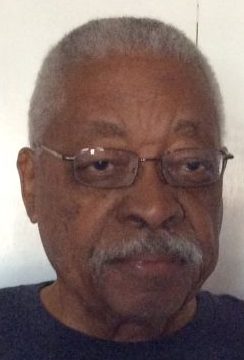
James Revels is a retired Army colonel and former columnist for the El Paso Times who lives in East El Paso.
This <a target=”_blank” href=”https://elpasomatters.org/2026/02/02/opinion-el-paso-black-history-month-contributions/”>article</a> first appeared on <a target=”_blank” href=”https://elpasomatters.org”>El Paso Matters</a> and is republished here under a <a target=”_blank” href=”https://creativecommons.org/licenses/by-nd/4.0/”>Creative Commons Attribution-NoDerivatives 4.0 International License</a>.<img src=”https://i0.wp.com/elpasomatters.org/wp-content/uploads/2020/01/cropped-epmatters-favicon2.png?resize=150%2C150&ssl=1″ style=”width:1em;height:1em;margin-left:10px;”>
<img id=”republication-tracker-tool-source” src=”https://elpasomatters.org/?republication-pixel=true&post=110294″ style=”width:1px;height:1px;”><script> PARSELY = { autotrack: false, onload: function() { PARSELY.beacon.trackPageView({ url: “https://elpasomatters.org/2026/02/02/opinion-el-paso-black-history-month-contributions/”, urlref: window.location.href }); } } </script> <script id=”parsely-cfg” src=”//cdn.parsely.com/keys/elpasomatters.org/p.js”></script>