
Lily Huynh/The Cougar
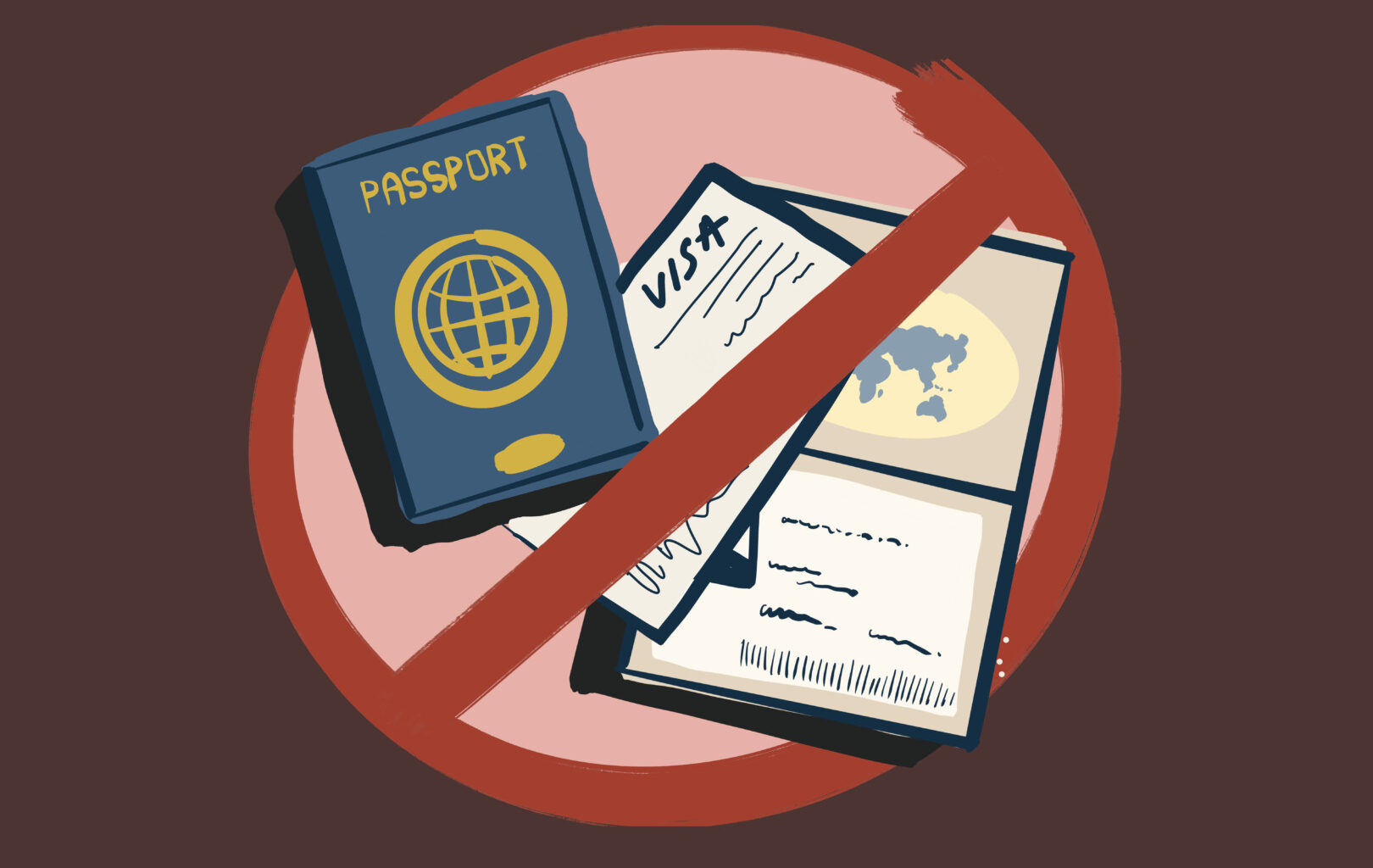
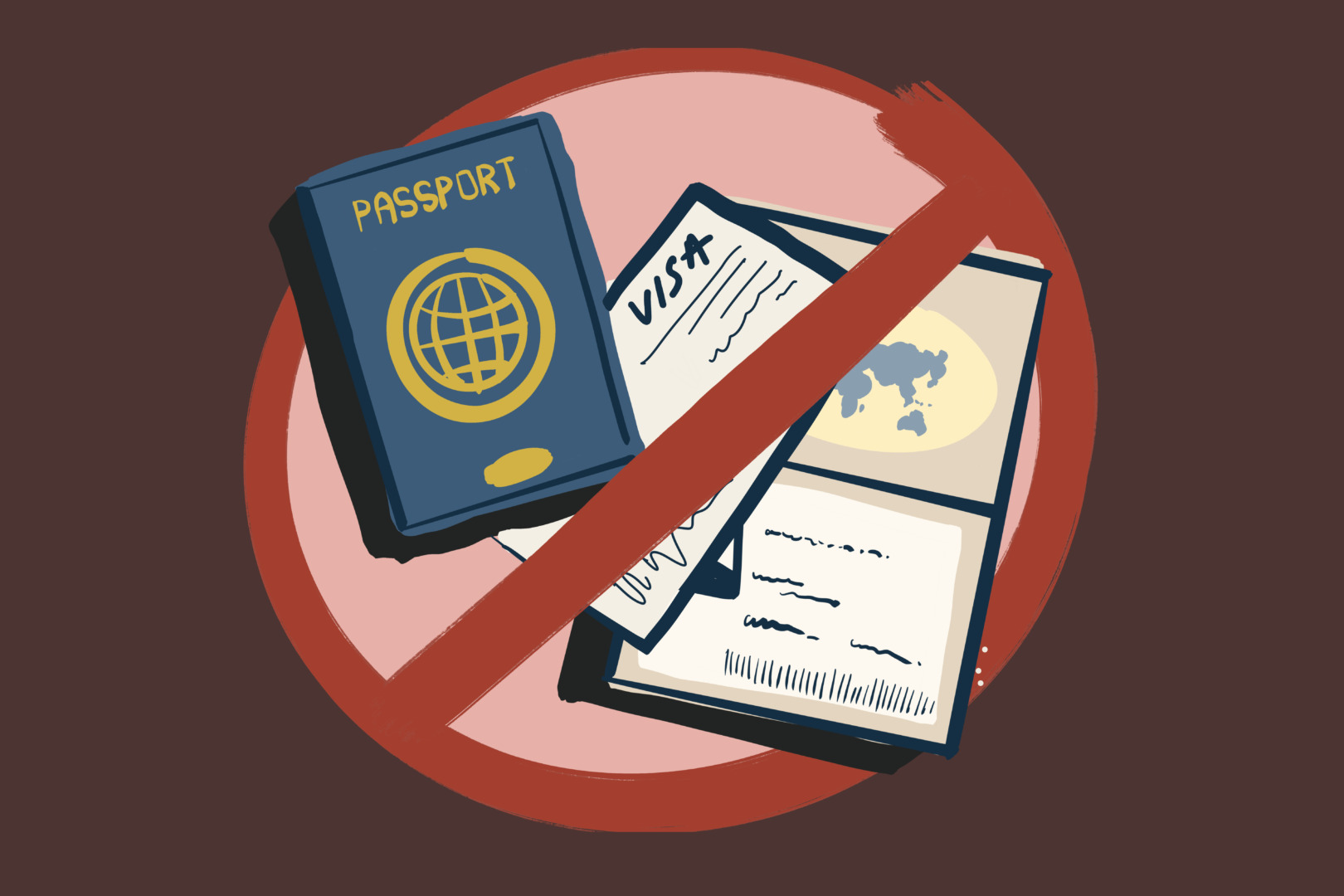
Gov. Greg Abbott ordered all Texas state agencies and public universities to halt the issuance of H-1B visas on Jan. 27. The order seems to have come from an initial fallout with Texas A&M University after it failed to provide The Dallas Express with public records showcasing how it used its foreign worker programs.
UH is one of the universities affected by this order, and as of Fall 2025, 144 out of 3,517 of its faculty are of international origin.
The estimated number of H-1B visa holders employed in a typical year is fewer than 100 employees across the institution. According to the U.S. Citizenship and Immigration Services, the University sponsored 92 H-1B visas in 2025, which is just 2.6% of UH’s faculty population. It is an increase from the 83 H-1B visas UH sponsored in 2024.
“The University of Houston has received the governor’s request for information regarding the H-1B visa program and is reviewing it carefully,” said a University spokesperson. “We will provide the information through the appropriate state channels and will follow any guidance issued by state leadership. The University remains committed to complying with all applicable state and federal laws while supporting its academic and research mission.”
Abbot ordered public universities to provide information regarding current sponsors, how many new and renewal petitions they submitted in 2025, the countries of origin of the visa holders, job descriptions, the expiration date of visas and documentation that shows the effort of giving Texans an opportunity to apply for each position before universities submitted petitions to sponsor for visas.
State agencies and public universities will be unable to initiate or file to sponsor a nonimmigrant worker under the H-1B visa program without the written permission of the Texas Workforce Commission until the end of the next legislative session on May 31, 2027.
Abbott’s reasoning for the order is “to ensure American jobs are going to American workers.”
The same reasoning was given by President Donald Trump when he implemented the H-1B Proclamation on Sept. 19, 2025, that required a $100,000 application fee for prospective workers looking to enter the U.S. under the foreign worker program.
UH has historically covered the standard federal H-1B filing fees when sponsoring employees, like many other public universities, but the University has not sponsored a visa involving a fee at the $100,000 level. Fees vary depending on the type of petition and federal requirements at the time.
Positions sponsored under H-1B are highly specialized, require advanced expertise and support the University’s teaching and research mission. Some of those positions include roles in several fields, including STEM-related fields, information technology, research and laboratory roles, postdoctoral research appointments and other highly specialized academic or technical positions.
The University’s Division of Research website states that it aims to “foster impactful collaborations with leading institutions worldwide, and cultivate the next generation of leaders to address the pressing challenges of the 21st century.”
With UH’s goal to become a Top 50 public university, the full effects of these orders and proclamations are still to be determined.
news@thedailycougar.com