
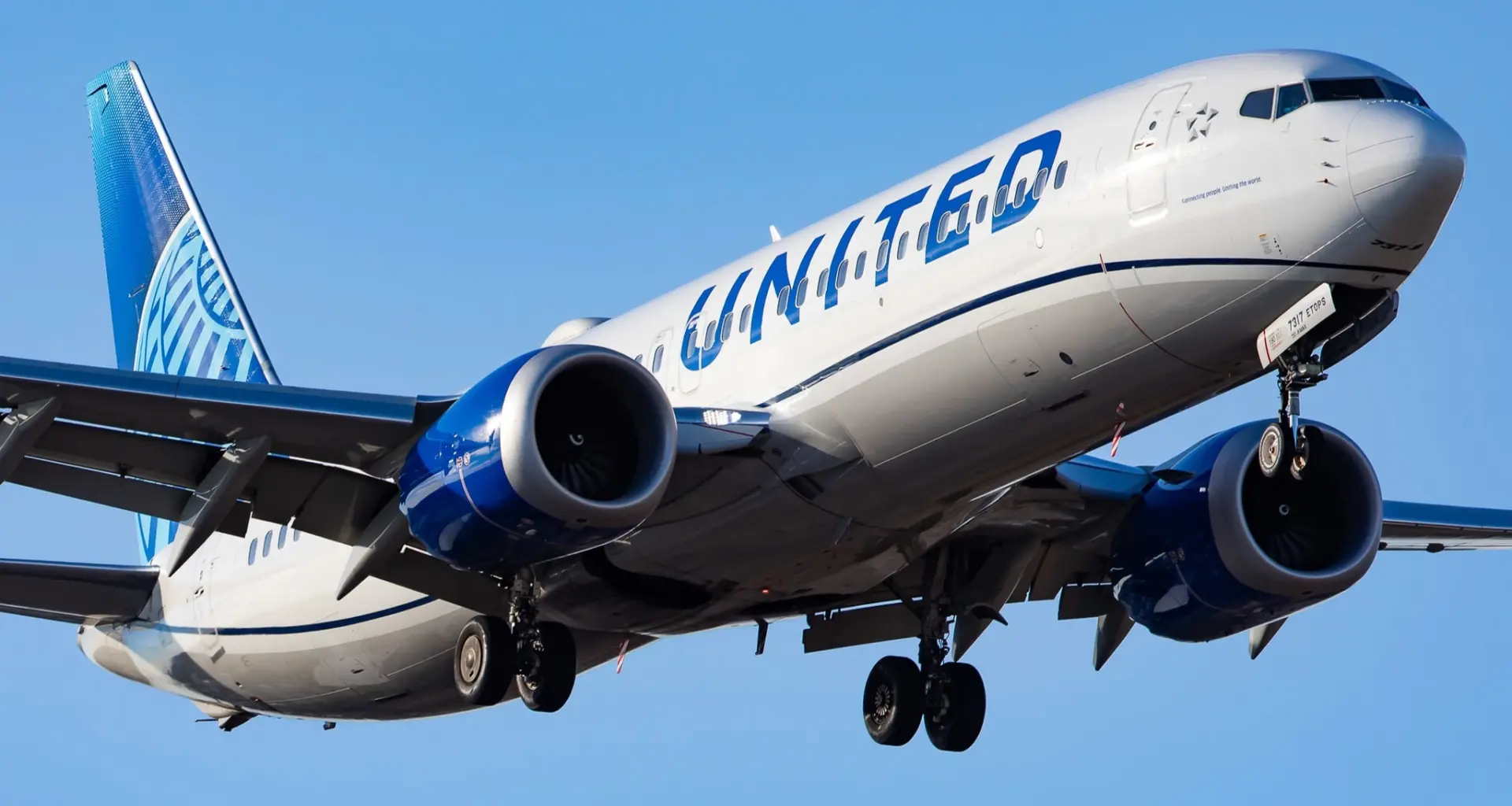
CHICAGO- United Airlines (UA) flight UA 1332, operating from San Antonio International Airport (SAT) to Chicago O’Hare International Airport (ORD), suffered a pressurization failure seconds after takeoff. Passengers reported sudden and extreme head and ear pain as the aircraft climbed.
The Boeing 737-700 remained below oxygen mask deployment altitude and diverted safely, but at least one passenger reported ongoing hearing issues days later, raising renewed concerns about pressurization system reliability.
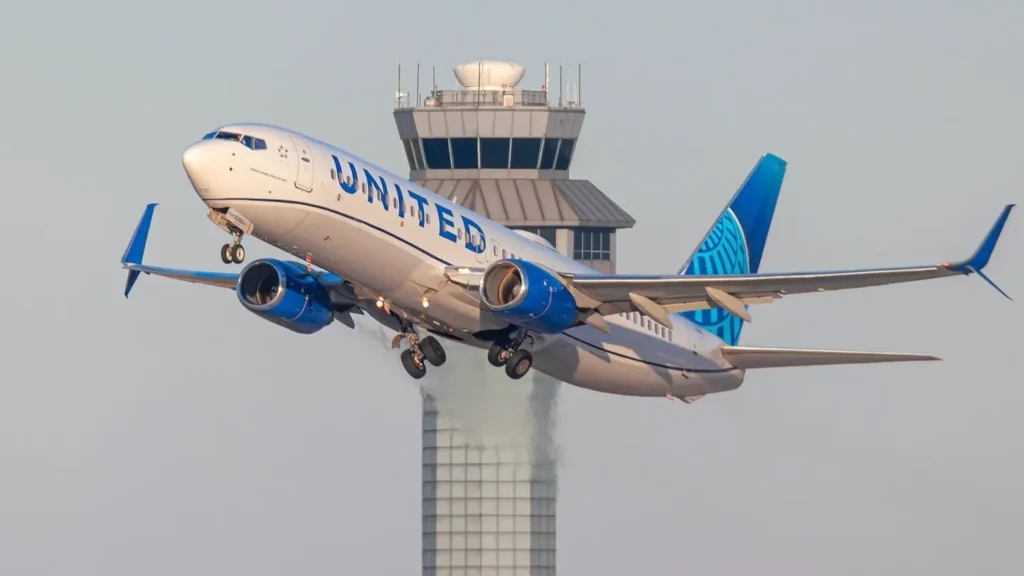 United Airlines Boeing 737 MAX TAKEOFF from Chicago. Photo: Cado Photo
Pressurization Breakdown Moments After Departure
The incident occurred on January 30 during the initial climb of the two and a half hour flight to Chicago.
The 27-year-old Boeing 737-700 had been airborne for approximately 30 seconds when the cabin failed to pressurize correctly.
A 27-year-old passenger later described the experience in a Reddit post, stating that the transition from normal conditions to pain was immediate and severe. He wrote that the pressure felt “brain-searing,” with sensations of his eyes bulging and eardrums nearing rupture.
Looking around the cabin, he observed other passengers holding their heads and appearing confused as the pain intensified.
The passenger stated that only after leaning into the aisle and urgently signaling to a flight attendant did the crew announce that the aircraft did not have proper cabin pressure.
According to PYOK, this sequence aligns with a rapid pressurization anomaly during early climb.
Data from FlightRadar24 shows the aircraft climbed to a maximum altitude of approximately 8,700 feet.
The aircraft had just passed Austin when the flight crew initiated a sharp right-hand turn and descended rapidly to about 6,625 feet.
Although Austin was geographically closer at that moment, the pilots elected to divert to Houston, a major United Airlines hub with extensive maintenance and medical support capabilities. The aircraft landed without further incident.
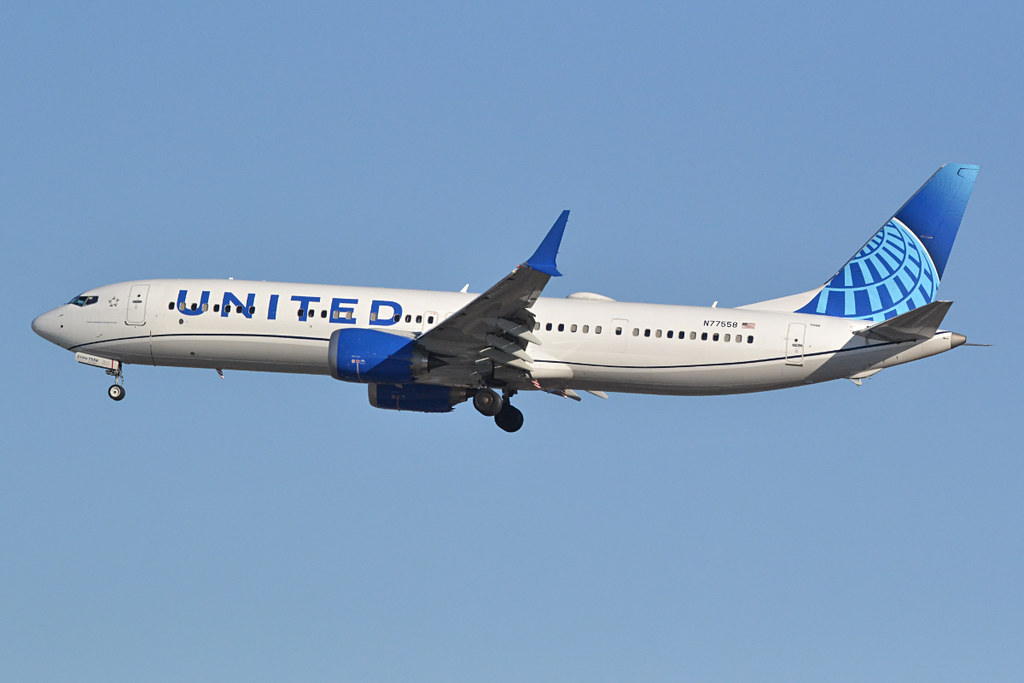 Photo: Greg Gayden | Flickr
Passenger Aftermath and Airline Response
United Airlines sent passengers an email shortly after landing, offering 2,500 MileagePlus miles as compensation.
The affected passenger stated that the compensation did not reflect the severity of the experience or the physical impact endured.
Several days after the flight, the passenger reported that his hearing had not fully recovered. He added that he regularly flies United Airlines and holds loyalty status with the carrier, making the incident particularly distressing given his prior confidence in the airline.
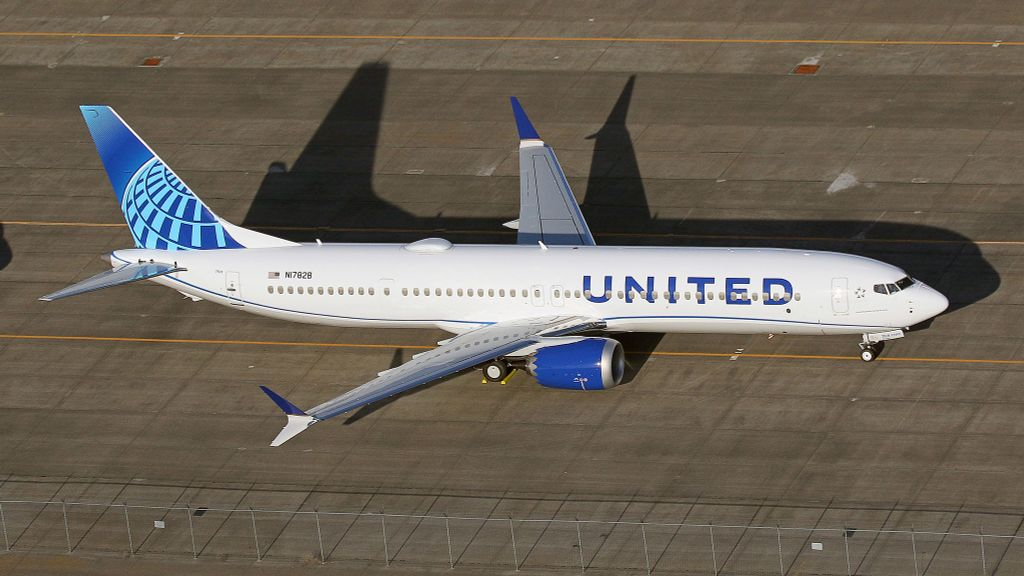 Photo: Duncan Kirk | https://www.flickr.com/photos/182528221@N07/
Comparable Pressurization Incidents on Boeing 737 Aircraft
While uncommon, similar incidents have occurred recently. On September 15, 2024, a Delta Air Lines (DL) Boeing 737 departing Salt Lake City experienced a pressurization malfunction shortly after takeoff.
That aircraft was also in its initial climb when pilots received a cabin pressurization alert and rapidly leveled off.
A passenger later told The Aviation Herald that his ears were popping far more than normal and that children onboard were screaming in pain.
After returning to the gate, paramedics boarded the aircraft and treated multiple passengers. Reports indicated that one passenger had blood coming from their ear due to a ruptured eardrum. Between 10 and 15 passengers were transported to the hospital for evaluation.
A Utah resident, Jaci Purser, later alleged that she sustained permanent hearing loss from the incident and is pursuing legal action against Delta Air Lines, stating that she was severely injured.
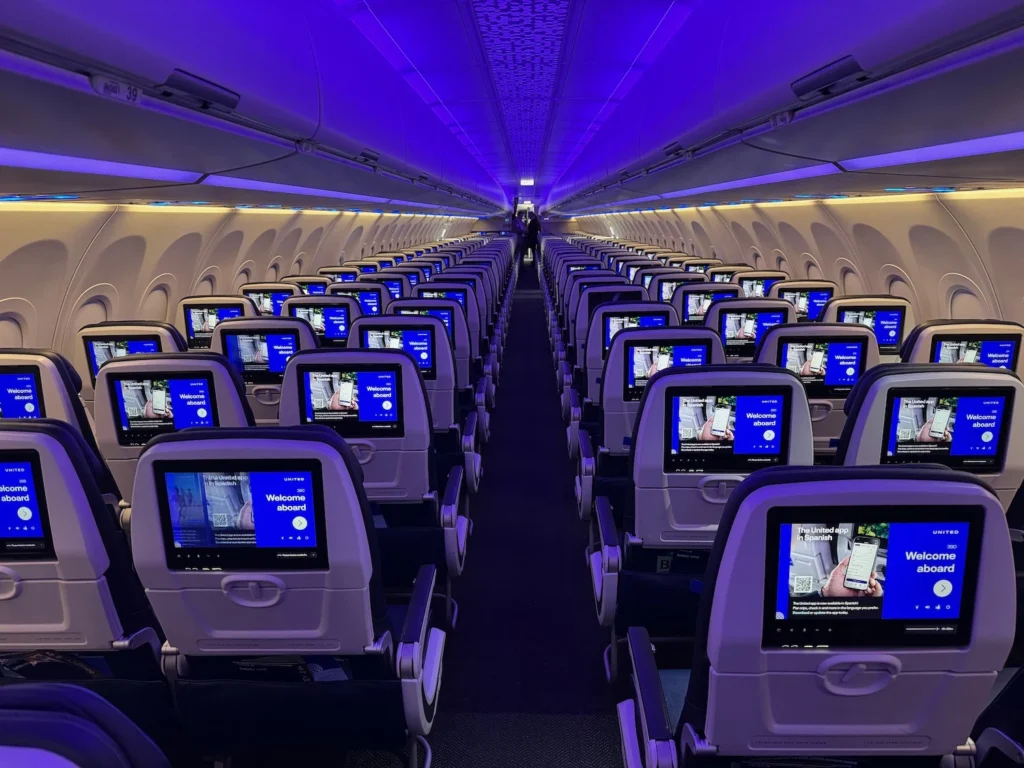 Photo: United Airlines Business Classs Seats With In-built Entertainment System / Creative Comms
Why Oxygen Masks Did Not Deploy
Despite the confirmed pressurization failure on the United Airlines flight, oxygen masks did not automatically deploy. Commercial aircraft cabins are typically pressurized to simulate an altitude of around 8,000 feet.
Cabin pressure warning systems generally activate near 10,000 feet. Oxygen masks are designed to deploy automatically only at approximately 14,000 feet, the altitude at which oxygen deprivation can rapidly lead to loss of consciousness.
Because the aircraft remained below these thresholds, the system did not trigger mask deployment.
Stay tuned with us. Further, follow us on social media for the latest updates.
Join us on Telegram Group for the Latest Aviation Updates. Subsequently, follow us on Google News