
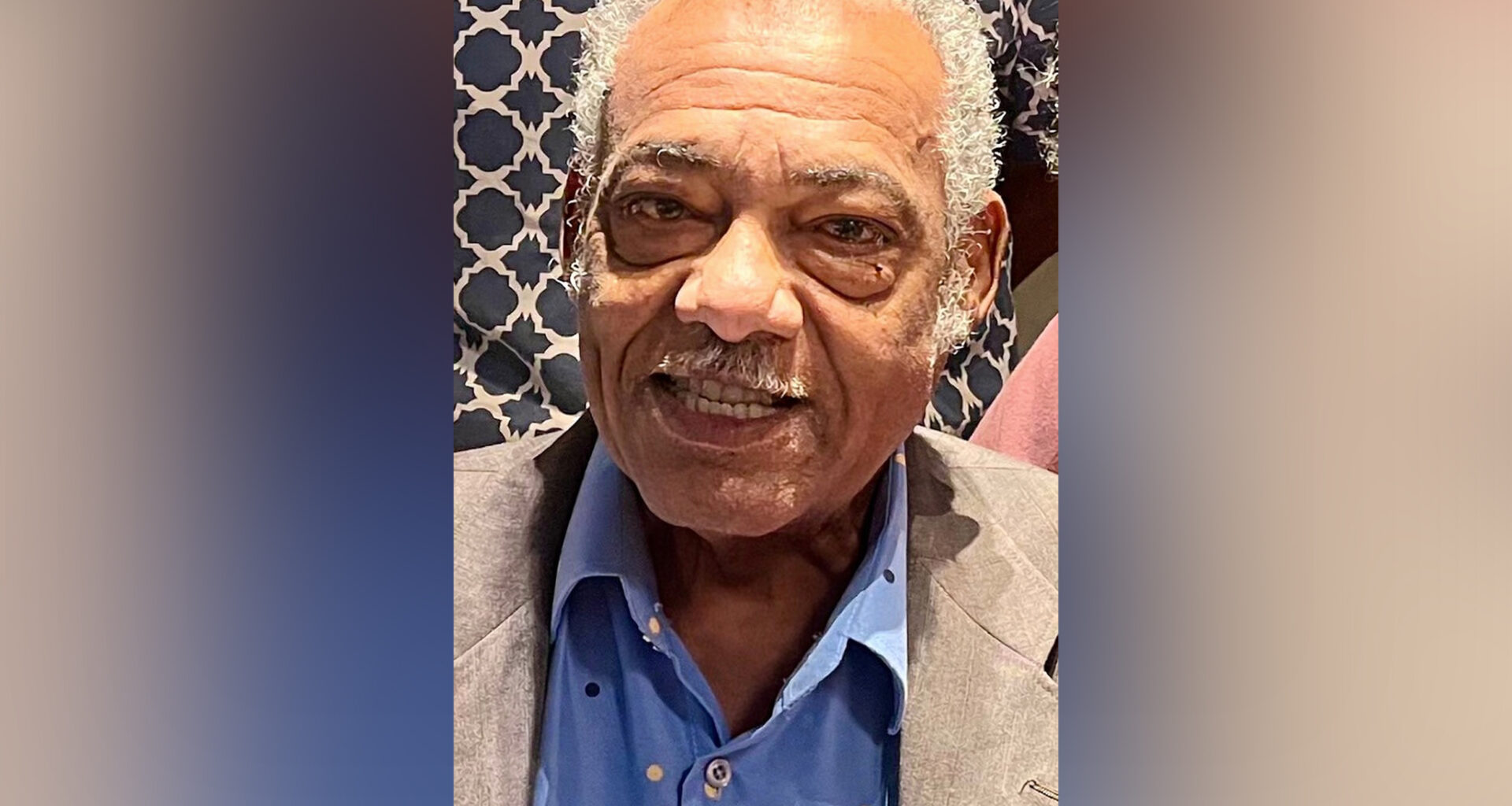
Donald “Don” Williams rarely sought the spotlight. Instead, he stood just outside it — lifting others into view, making sure their stories endured.
A Fort Worth videographer, archivist and Juneteenth organizer, Williams spent his life documenting Black life in the city, capturing weddings and funerals, festivals and banquets, ordinary moments and historic milestones. He died Jan. 16 at 74.
“He’s one of the unsung heroes, the kind that sits back, doesn’t want the spotlight, but they’re doing the work,” said Calvin Brown, a Fort Worth photographer and festival organizer who met Williams as a teenager.
Brown was 16 when he met Williams in 1989. Juneteenth celebrations in Fort Worth were still largely grassroots affairs then.
At the time, the festival had recently moved from Sycamore Park to Hillside Park. Brown attended with classmates connected to musician and organizer Ernest McGhee. He was introduced to Williams and Opal Lee.
“I call them the trinity,” Brown said. “Ernest, Don Williams and Opal Lee.”
Lee is often called the grandmother of Juneteenth because of her efforts to create a national holiday recognizing the 1865 emancipation of slaves in Texas.
Quietly, Williams worked behind the scenes, helping organize events and — just as importantly — documenting them, Brown said, long before smartphones or digital cameras made recording everyday life easy.
“If you hear the word Juneteenth, now it’s always attributed to Ms. Lee, and that’s fine because she did the work,” Brown said, referring to Lee’s Walk for Freedom. “But a lot of the archival portion of those past festivals probably wouldn’t have as much documented if it wasn’t for Don.”
Williams filmed performances, banquets, community walks and celebrations, often hauling shoulder-mounted camcorders through heat and crowds.
“He documented everything,” Brown said. “He made sure that it was archived.”
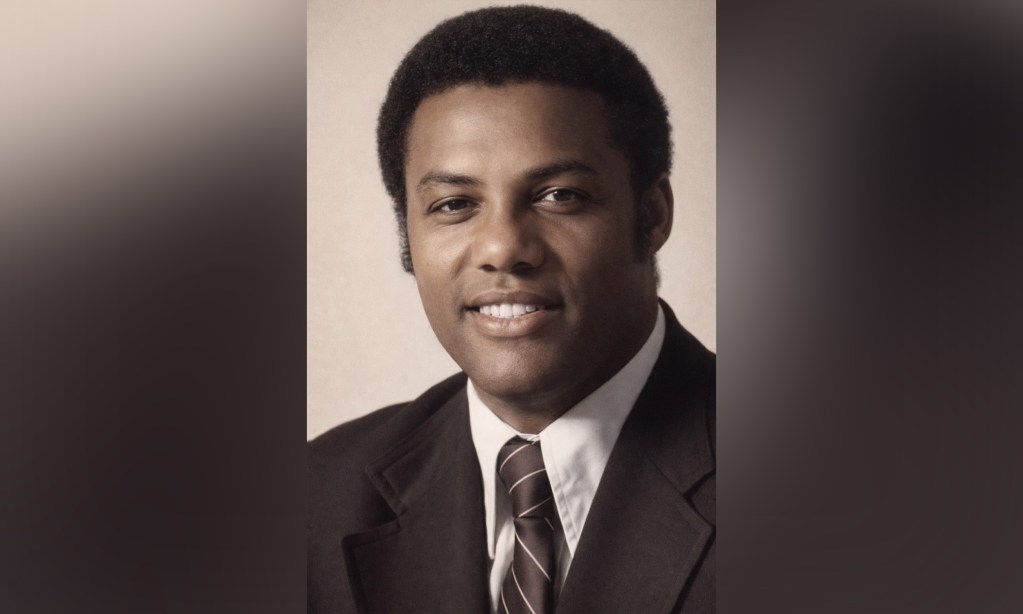 Donald “Don” Williams, a Fort Worth videographer, archivist and Juneteenth organizer who documented generations of Black life in the city, died Jan. 16 at age 74. (Courtesy photo | Sky Williams)
A mentor and pioneer
Williams’ influence extended far beyond the lens.
Brown said Williams became a mentor and, at times, a lifeline. When Brown’s family could not afford his Polytechnic High School cap and gown in 1991, Williams paid for it.
“He made sure that I was able to graduate,” Brown said.
That same summer, Williams hired Brown and took him out of Texas for the first time to film a Baptist convention in Las Vegas.
“He trained me how to videotape,” Brown said. “Here I am, this 17-, 18-year-old kid and he’s taking me with him.”
Williams continued hiring Brown for debutante balls, community events and church services as Brown grew into adulthood.
“I got married. He videotaped my wedding,” Brown said. “My first event to my last event, he was there.”
Williams was born March 30, 1951, in Marion, South Carolina, and later made Fort Worth his home in the early ’70s. He served in the U.S. Army from 1971 to 1973 and went on to work at Tarrant County College while building a career in videography.
He was the father of Donald Ja’Mal Williams, Sky Williams and Summer Jaynae Williams.
Don Williams’ work reshaped how many Fort Worth families remember their loved ones.
For decades, he worked with Gregory W. Spencer Funeral Directors, filming funeral services and creating video keepsakes for grieving families.
“At that time, there weren’t a lot of videos and a lot of funeral services being videoed,” said Diane Evans, a receptionist at the funeral home. “It wasn’t popular, and he’s the one that made it very popular, especially here.”
Williams traveled wherever services were held and ensured families received recordings of ceremonies. He approached the work with care and compassion, seeing it as an act of service rather than a transaction, Evans said.
Brown said Williams helped pioneer the use of video montages during funerals, a practice that later became common throughout the city.
“Nobody was doing that before,” Brown said.
Preserving history — without seeking credit
Williams later created a Juneteenth museum collection on Rosedale Street that showcased Black Fort Worth history, including photographs of community leaders, musicians and everyday residents whose contributions might otherwise be forgotten.
Jarred Howard, CEO of the National Juneteenth Museum, said Williams’ work helped shape the broader vision surrounding Juneteenth preservation in Fort Worth.
“Don’s vision was the impetus to the creation of the National Juneteenth Museum,” Howard said. “We’re committed to honoring Don’s incredible legacy in our building and programs.”
Those who knew Williams said his commitment to preserving Black history defined both his work and his character.
“He didn’t see popularity,” Brown said. “If you contributed to African American history in Tarrant County, he felt like you deserved to be recognized.”
And that philosophy extended to how Williams viewed his own legacy.
“Don never did anything to get patted on the shoulder,” Brown said. “He just did the work.”
Filmmaker Channing Godfrey Peoples encountered that work while researching her film “Miss Juneteenth,” which featured Williams and his museum collection.
“He took great pride in preserving and commemorating Black Fort Worth,” Peoples wrote in an emailed statement. “Don was a genius curator and archivist.”
Even in his final years, Williams remained engaged with Juneteenth planning and archiving efforts. One of the last messages Brown received from him concerned preserving materials for future generations.
Brown said Williams approached life with urgency and determination, a mindset he often summed up with a simple directive: Just get it done.
Evans put it more simply.
“He lived until he died,” she said.
Matthew Sgroi is an education reporter for the Fort Worth Report. Contact him at matthew.sgroi@fortworthreport.org or @matthewsgroi1.
At the Fort Worth Report, news decisions are made independently of our board members and financial supporters. Read more about our editorial independence policy here.
This <a target=”_blank” href=”https://fortworthreport.org/2026/02/03/from-festivals-to-funerals-don-williams-preserved-fort-worths-black-history/”>article</a> first appeared on <a target=”_blank” href=”https://fortworthreport.org”>Fort Worth Report</a> and is republished here under a <a target=”_blank” href=”https://creativecommons.org/licenses/by-nd/4.0/”>Creative Commons Attribution-NoDerivatives 4.0 International License</a>.<img src=”https://i0.wp.com/fortworthreport.org/wp-content/uploads/2021/04/cropped-favicon.png?resize=150%2C150&quality=80&ssl=1″ style=”width:1em;height:1em;margin-left:10px;”>
<img id=”republication-tracker-tool-source” src=”https://fortworthreport.org/?republication-pixel=true&post=394420&ga4=2820184429″ style=”width:1px;height:1px;”><script> PARSELY = { autotrack: false, onload: function() { PARSELY.beacon.trackPageView({ url: “https://fortworthreport.org/2026/02/03/from-festivals-to-funerals-don-williams-preserved-fort-worths-black-history/”, urlref: window.location.href }); } } </script> <script id=”parsely-cfg” src=”//cdn.parsely.com/keys/fortworthreport.org/p.js”></script>