
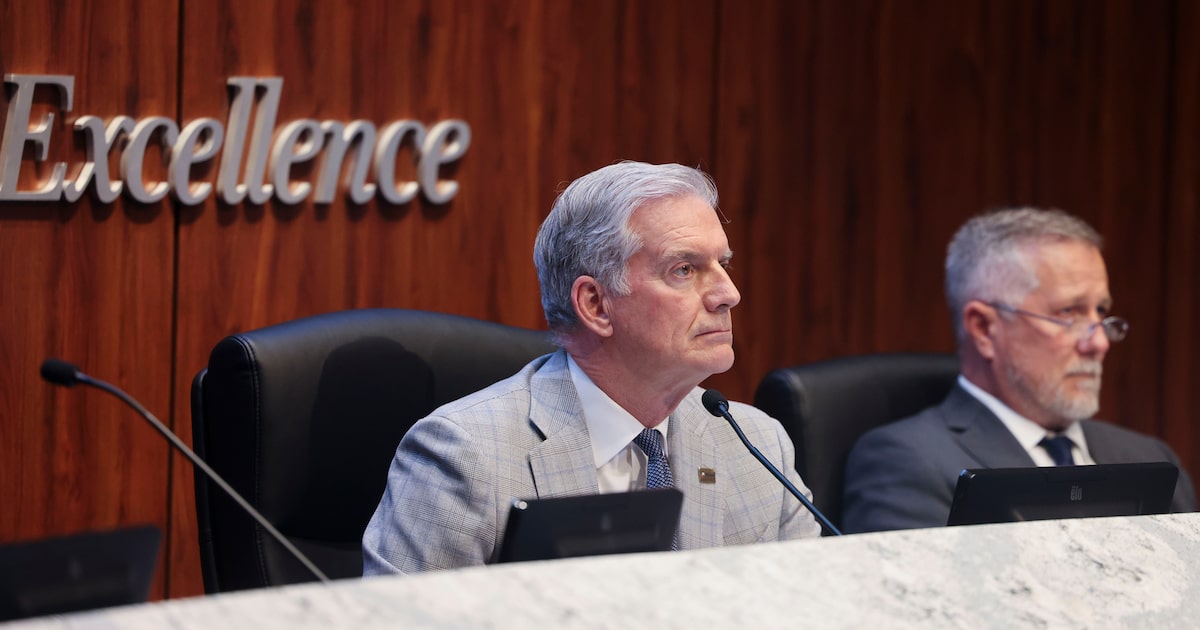
In a speech Tuesday, Plano Mayor John Muns highlighted the Collin County city’s momentum and key upcoming considerations, touting AT&T’s planned relocation while pointing to the city’s changing relationship with public transportation as the suburb seeks an exit from the Dallas Area Rapid Transit system.
Muns’ remarks were part of his annual State of the City address delivered to an audience of about 350 people who gathered Tuesday evening at the Robinson Fine Arts Center. Muns addressed residents, elected officials, city staff and community leaders as he sought to define Plano’s next “chapter of excellence.”
Plano has eyed some impressive wins — from claiming AT&T’s headquarters from downtown Dallas to courting the Dallas Stars hockey team for a potential move, the suburb is on an economic development streak that began years prior with wins like Toyota and JCPenney.
“Our growth has been purposeful,” Muns said in his address, from a small farming community to one of the largest cities in North Texas. “Plano’s story has always been about steady progress, not sudden leaps, but intentional steps.”
Breaking News
Related
The city of nearly 300,000 residents has also taken center stage in debates around the future of public transportation in North Texas as it leads a possible suburban exodus from DART, the first of now six cities to put membership in the transit agency on the ballot for city residents.
In a celebration of Plano’s story of growth, the mayor’s remarks sparked rounds of applause from residents and other elected officials. Muns took office in 2021 and was reelected for another four-year term last May.
Here’s how he defined the city’s past, present and future in Tuesday’s remarks.
‘An economic leader’
Muns celebrated Plano’s “reputation as an economic leader” in his statements.
After decades of big-name corporate relocations and expansions in Plano, AT&T announced plans last month to build its new headquarters at a site that includes part of the former Electronic Data Systems campus in the suburb.
Related

“Companies have big choices, and they’re choosing Plano,” the mayor said. “That says a lot about who we are, and the story isn’t slowing down.”
Muns did not mention in his speech a rumored sports move that may land in Collin County. The Dallas Morning News first reported in October that the Dallas Stars are considering a new $1 billion arena in Plano at the Shops at Willow Bend Mall development — a move that could see the hockey franchise leave downtown Dallas for the first time in its history.
Muns credits the city’s pro-business approach and open mindedness to its success in attracting and retaining businesses, and said Plano’s economic development strategy is essential to supporting its quality of life.
“Economic development is the engine of excellence,” he said.
Related
 Rethinking transit in Plano
Plano is the largest city in North Texas to schedule a May election to put membership in DART to a vote. City leaders have said Plano pays too much in sales tax for the services its residents receive and have advocated for reforms to DART’s governance, funding and service.
“The way people move is changing,” Muns said in his remarks. “That’s why we’re having honest conversations about DART and regional transit.”
The city has submitted proposed conditions and agreements to the agency to potentially call off the election, and is considering adding alternative on-demand transit options similar to the rideshare service Arlington uses — regardless of election outcomes.
“Does today’s system serve the Plano of the future?” Muns asked attendees. “These are decisions that belong to you, our residents, and we want everyone to be informed about transit options ahead of this year’s election.”
Related
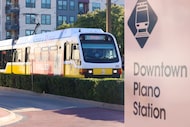
Plano residents, along with voters in Addison, Irving, Farmers Branch and the Park Cities, will decide on May 2 if they want to remain in the regional transit system.
Outside of public transit, Muns highlighted the city’s work on Plano’s roads to improve transportation for residents — road work that has frustrated some residents.
“Some of the most important work happening in Plano is underground,” Muns said Tuesday. “By upgrading aging water and sewer lines now, we are staying ahead of problems.”
Plano’s growth story
Muns also highlighted the city’s efforts to support the arts, improve parks and trails and maintain high standards for public safety.
Related
As Plano has grown, the city has faced challenges in maintaining aging infrastructure, accommodating a changing population and balancing its suburban identity with more development. Last year, city leaders voted to raise the city’s property tax rate for the first time in 16 years, anticipating increased costs amid slowing growth.
For Mayor Pro Tem Maria Tu, the city’s next chapter is what leaders have been planning for.
“This is the time for Plano,” she told The News. “Plano is growing the way it should … We want expansion but we also want comfort. I am really proud of what [we’ve] been able to accomplish.”
Email tips on all things Collin County to lilly.kersh@dallasnews.com.
ECONOMIC WINS
Plano Mayor John Muns said the city’s momentum in attracting companies is not slowing down, referencing AT&T’s plans to move its headquarters from Dallas to the suburbs.
PUBLIC TRANSIT WOES
Muns said transportation needs are changing and hopes voters make informed decisions at the ballot box next May regarding transit options and DART.
GROWTH STORY
Plano has ballooned from a small farming community to a key player in the region. City leaders see growth as steady despite challenges in balancing the pace of growth.