
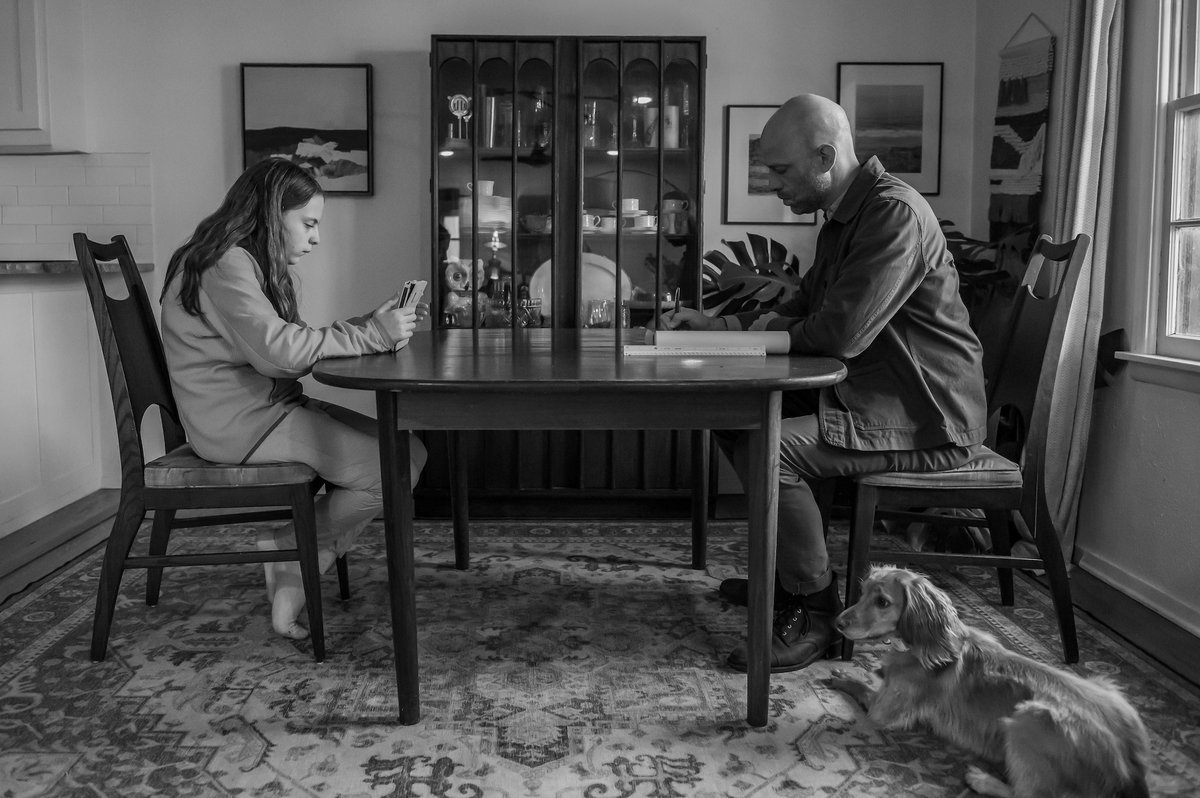
For a neurotypical person, the sounds, lighting and subtle sensory cues of a space often go unnoticed. For children with autism and others with sensory sensitivities, those same elements can be overwhelming.
The difference lies not in the elements themselves, but in the heightened intensity with which they are perceived, often transforming otherwise ordinary environmental conditions into sources of discomfort or distress.
Understanding this distinction is essential. Creating accommodating spaces isn’t simply about added comfort; it’s about designing physical environments where both neurotypical and neurodivergent learners can regulate, participate and succeed. When spaces are designed with sensory awareness in mind, they benefit everyone who occupies them.
In Fort Worth and across the country, Schwarz Hanson Architects has made a deliberate commitment to creating environments that are sensitive to these heightened experiences, particularly for children who benefit from sensory-conscious design.
“We have designed more than 300 spaces created to meet the needs of children with autism,” said Brad Naeher, Principal of Schwarz Hanson. “The majority of these projects serve children between the ages of two and a half and nine, and our work extends beyond Fort Worth to five different states.”
The firm’s work extends well beyond autism-focused facilities. Schwarz Hanson also designs spaces that support a wide range of health needs, including mental health treatment environments and facilities for Alzheimer’s and dementia care. Internationally, their work includes a multi-resource facility in Nepal serving recovering victims of human trafficking and abuse.
This broad scope allows Schwarz Hanson to make a meaningful global impact for people living with mental and behavioral health challenges—and much of the firm’s approach is grounded in personal experience.
How personal experience shapes trusted, sensory-friendly spaces
Naeher’s daughter was diagnosed with autism at a young age, giving him firsthand insight into the daily sensory challenges faced by neurodivergent individuals. That lived experience has become foundational to how Schwarz Hanson approaches design.
“There’s not necessarily a formula or one-size-fits-all approach for autism, (…) because it’s just so varied, but there are some consistencies in the typicalness of autism that are valuable guidelines for design,” said Naeher.
“They may be particularly sensitive to sounds, lights and textures and can become overwhelmed by sensory input in environments that a neurotypical person might not find difficult.”
These heightened reactions are not caused by unfamiliar stimuli, but by familiar ones experienced more intensely. With this understanding, Naeher brings awareness of common sensory stressors into Schwarz Hanson’s design process, guiding the firm toward thoughtful, sensory-conscious decisions that minimize overwhelming elements while supporting engagement.
Sensory-inclusive design as an evolution of accessibility
While designing sensory-inclusive spaces requires intention and creativity, the underlying principles are not separate from good design practice. Paying attention to the scale of a room, the quality of light or the way sound travels through a space is foundational to every Schwarz Hanson project.
“When we design spaces for neurotypical people, the approach isn’t all that different from designing for children with autism or behavioral and mental health challenges,” said Naeher. “We simply maintain a heightened awareness of their needs.”
At its core, the difference between neurotypical and neurodivergent experiences is not what is perceived, but how strongly it is felt.
“There’s nothing that you’ve experienced that an autistic person hasn’t,” said Naeher. “It’s just to a greater level, on a greater level of awareness, and oftentimes with a greater challenge of regulating.”
Schwarz Hanson specializes in designing environments that account for these intensified sensory experiences, particularly for children with autism and other behavioral or mental health needs. By thoughtfully addressing acoustics, lighting, textures, and spatial flow, the firm creates spaces that are supportive and accessible—while also improving comfort, usability and enjoyment for everyone.
Ultimately, this approach reflects Schwarz Hanson’s broader goal: designing spaces and experiences that are welcoming, comfortable, and engaging for all who enter them.