
EL PASO, Texas — Plans to expand immigration detention capacity across Texas are raising new questions and concerns, especially in communities that already host large federal detention facilities.
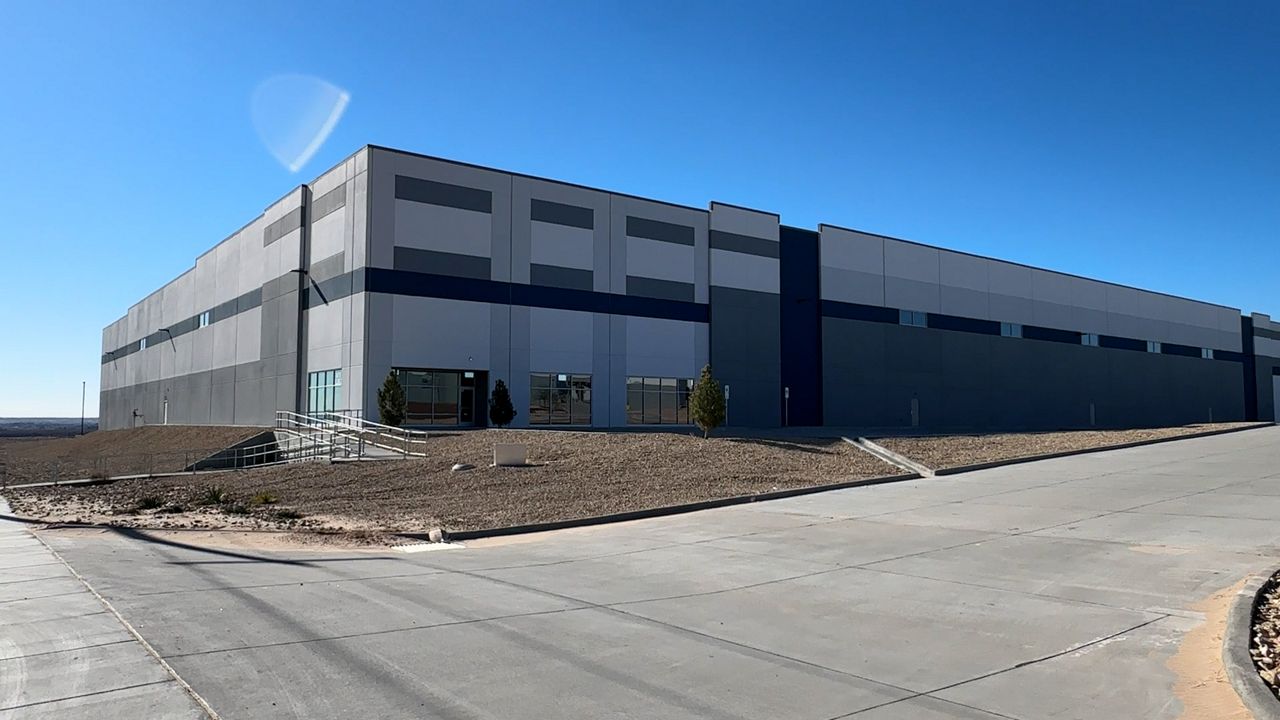
Spectrum News has confirmed through a source familiar with the plans that warehouse buildings in southeast El Paso could soon become part of a new U.S. Immigration and Customs Enforcement (ICE) detention facility. While no formal announcement has been made, ICE acknowledges it intends to expand detention space in El Paso.
El Paso County is already home to what is described as the largest immigration detention facility in the country. Camp East Montana, located east of the city, is reported to house up to 5,000 detainees.
Lawmakers like U.S. Rep. Veronica Escobar, D-El Paso, say the expansion comes at a steep cost to taxpayers.
“What’s important for Americans to know is that these facilities are very expensive,” Escobar said.
Escobar pointed to Camp East Montana as an example, saying the facility costs an estimated $1.24 billion and is operated by a private contractor.
“This money is going to a private contractor,” she said. “American voters who support mass deportations, even if they don’t care about immigrants, they should care about the way their tax dollars are being wasted and the profit being made by a contractor that is not being held accountable.”
Despite the criticism, the Trump administration shows no signs of slowing its immigration enforcement efforts. According to reports first published by The Washington Post and the San Antonio Business Journal, ICE plans to convert warehouse spaces into detention facilities in multiple Texas cities.
In San Antonio, more than 600,000 square feet of warehouse space could soon be used to hold detainees. In Hutchins, just outside Dallas, a warehouse could reportedly house up to 9,500 people.
In a statement to Spectrum News, ICE said the warehouses would not remain as-is.
“They will be very well-structured detention facilities meeting our regular detention standards,” the agency said. “We have no new detention centers to announce at this time.”
Even without an official announcement, the prospect of expanded detention capacity is troubling to local leaders like Escobar, particularly given ongoing concerns about conditions inside existing facilities.
Escobar said women detained at Camp East Montana told her they had been waiting weeks and, in some cases, more than two months to be deported.
“A number of the women that I spoke to told me they were ready to be deported,” she said. “They have been waiting for weeks; some of them have been waiting for more than two months.”
For now, ICE has not confirmed when or if the El Paso warehouse site will officially begin housing detainees, but community leaders say they will continue to push for transparency and accountability.