
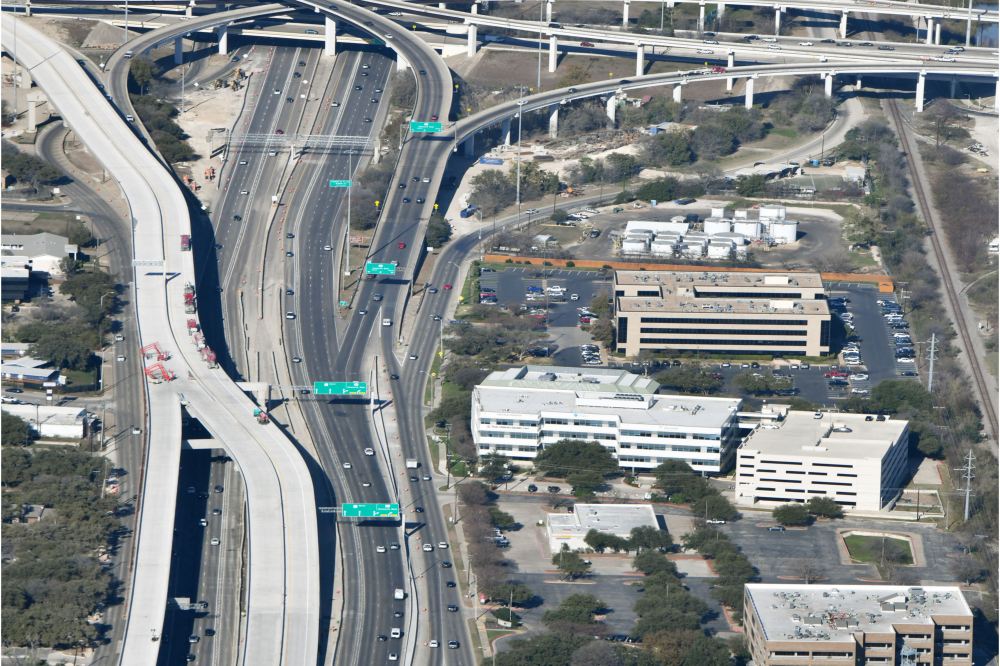
Northwest Austin is seeing a significant decrease in congestion as the 183 North Mobility Project reaches its latest major milestone.
With the northbound express lanes and the direct connector from Mopac now fully open to the public, drivers have access to a more reliable route through a highly congested area.
Under construction since 2021, the project has recently delivered several key improvements:
Two express lanes: opened two northbound express lanes to manage high-demand trafficFourth general purpose lane: an additional non-tolled lane in each direction to increase capacity for all driversDirect connectors: new flyover structures that allow seamless transit between the 183 Express Lanes and Mopac Express LaneAmericans with Disabilities Act-compliant sidewalks: approximately nine miles of new or improved sidewalks in each direction to support pedestrians and cyclistsFinalization of the project’s improvements is coming soon.
The Central Texas Regional Mobility Authority said safety remains a primary concern as drivers acclimate to the new configuration.
“The traveling public needs to remember to slow down, watch for signage and anticipate the shifts in traffic,” public engagement lead Lindsay Whelchel-Rademacher said. “People should … expect that things could be different from the last time they drove.”

What is an express lane?
Unlike traditional toll roads with fixed pricing, the 183 North Express Lanes use a variable pricing model. Prices fluctuate based on the volume of traffic, increasing during peak hours to discourage overcrowding and ensure that vehicles in the lanes maintain a consistent speed.
This approach is designed to provide a reliable route for those who cannot afford to be late, while also serving as a vital corridor for transit vehicles and emergency responders who use the lanes free of charge.
“We call them express lanes because they’re designed to express people to a destination,” Whelchel-Rademacher said.
The express lanes are separated from general-purpose lanes by flexible white sticks known as delineators. Officials urge drivers to respect these barriers and enter the lanes only at designated points to avoid high-speed collisions.
Here’s what can happen if drivers attempt to cross delineators:
High-speed collisionsSecondary accidentsVehicle damageLarge fines
An impact that extends beyond the road
While the focus is often on cars driving by, the 183 North Mobility Project has quietly transformed the area for those outside the vehicle, too. The team has spent the last five years coordinating with local businesses to bring hundreds of driveways up to ADA code, securing a safer path for pedestrians and cyclists alike.
This connectivity has already transformed lives for many. The Mobility Authority heard about the project’s impact directly from the Charlie Center, a navigation hub helping people move from homelessness to housing. They shared that the new sidewalk network and improved bus stop connectivity now allow their clients to reach them safely.
“Really, the goal is to provide a more reliable route. That way, we can increase people’s quality of life and get people where they want to go faster and more reliably,” assistant director of communications, Sylvia Shelton said.
Looking forward
While the northbound side is now fully operational, construction continues on the southbound lanes and the remaining direct connector and collector-distributor road structure, with full project completion anticipated in the coming months.
The project remains on its original long-term schedule to provide Austin residents with a more efficient way to navigate the city.
Click here to learn more about the 183 North Mobility Project today.

The above story was produced by Multi-Platform Journalist Sydney Heller with Community Impact’s Storytelling team with information solely provided by the local business as part of their “sponsored content” purchase through our advertising team.