
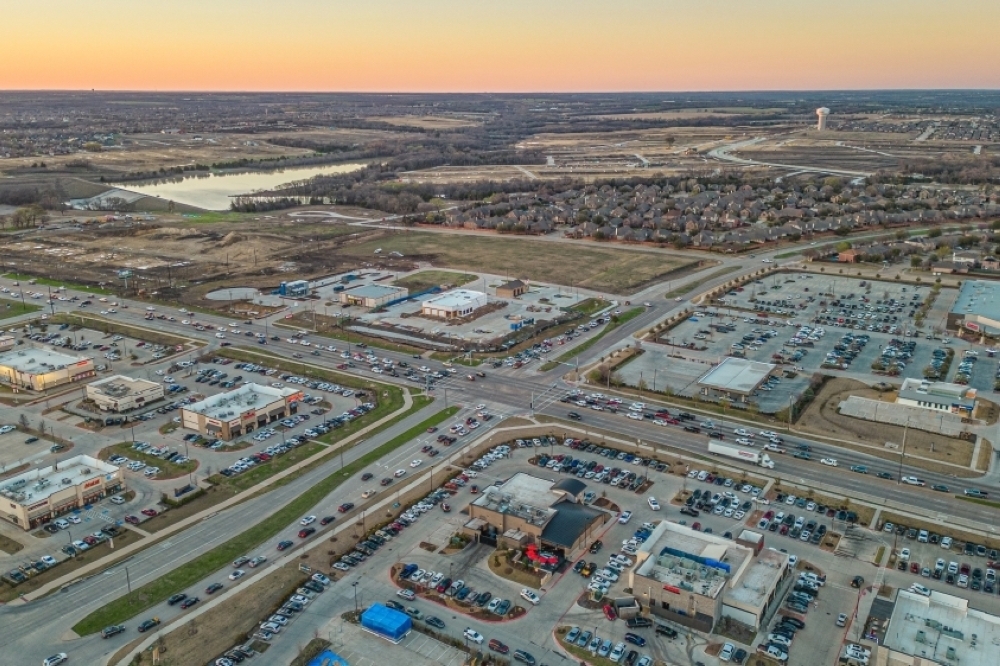
Texas gained more new residents last year than any other U.S. state, recently released U.S. Census Bureau data shows. Yet the Lone Star State’s overall population growth slowed significantly amid a nationwide reduction in immigration from other countries.
The big picture
Texas grew by 391,243 residents in 2025, bringing the state’s total population to 31.7 million. This includes:
Domestic migration: Over 67,000 people moved to Texas from other states.International migration: Over 167,000 people moved to Texas from other countries.Natural change: There were roughly 157,000 more births than deaths in Texas.This is a larger numeric increase than other states, according to federal population estimates released Jan. 27.
The state grew by 1.2% from July 1, 2024, to July 1, 2025, which is more than twice the national growth rate of 0.5% in the same period. This marks a slowdown in Texas’ growth since the COVID-19 pandemic, after the state grew by 2% from 2022-23 and 1.9% from 2023-24.
What’s happening
Texas’ slowed growth can be attributed in part to the Trump administration’s crackdown on immigration, State Demographer Lloyd Potter said.
“When we look at Texas between 2023 and 2024, more than half of our population growth was from international migration, and most of that was what the Census Bureau referred to as humanitarian immigration, or refugees,” Potter told Community Impact in a Feb. 5 interview. “Texas had a significant increase in our population that was attributable to immigrants in 2023 and 2024, but now that’s slowed down pretty dramatically.”
All U.S. states saw fewer international immigrants last year, with immigration declining by nearly 54% nationally, the Census Bureau reported. Texas gained 167,475 new residents from other countries in 2025—a nearly 53% decrease from 2024, when 354,864 international immigrants were recorded as having moved to the state.
Texas added the second-highest number of immigrants among U.S. states last year, behind Florida.
Fewer people also moved to Texas from other states in 2025. The Lone Star State attracted 67,299 new residents from other parts of the country, down from 86,067 domestic migrants in the year prior. At its peak, Texas brought in 218,840 newcomers from other states in 2022, although net domestic migration has slowed since then.
The local impact
Potter said Texas’ less-rapid population growth allows local officials to meet infrastructure needs caused by the state’s population boom, noting that some communities have struggled to keep up with the growth in recent years.
Texas gained about 1,500 people per day in 2023-24, Community Impact previously reported. Suburban communities outside the state’s urban population centers, such as cities and towns in Montgomery, Tarrant and Williamson counties, saw the most growth due to migration in recent years, according to data from the Texas Demographic Center, which Potter leads.
“Really rapid growth puts stress on infrastructure,” Potter said Feb. 5. “[Officials] are having to build new housing units; they have to put in sewer and water, electricity, transportation [systems].”
He noted that “slightly slower growth” enables communities to “make an effort to catch up and hopefully get ahead of infrastructure demands.”