

This story is part of the KXAN Data Hub, where numbers help tell the whole story.
We’ve created several data-driven stories and databases on topics including weather and climate, politics, education, sports and growth in Texas. Each story in the KXAN Data Hub is updated as new data becomes available.
AUSTIN (KXAN) — From mountains and canyons to forests and swamps, the vast scale of Texas provides so many natural wonders.
Across the Lone Star State, there are 85 state parks, natural areas and historic sites currently operated by the Texas Parks and Wildlife Department. The first parks were opened to the public in the 1930s and the newest, Old Tunnel State Park, opened in 2012. TPWD also has plans to develop five sites into future state parks.
TPWD splits the state into seven ‘natural regions,’ each of which is home to several state parks. The Prairies & Lakes region is home to 21 parks, more than any other region. The South Texas Plains region is home to the fewest, with seven parks.
Across the system, state parks welcomed more than 9.2 million visitors in 2025, a 0.5% increase from the previous year. The Prairies & Lakes region recorded the most visitors, with more than 3 million across its parks.
The Hill Country region welcomed more than 2.1 million visitors across 16 parks, while the Pineywoods, Panhandle Plains and Gulf Coast regions each saw more than 1 million visitors.
State parks in the Big Bend Country region saw the fewest number of visitors, with around 495,000. Those numbers do not include visitors to Big Bend National Park, which alone saw more than 560,000 visitors in 2024 (2025 numbers are not yet available).
Looking for a specific season? Here are our seasonal countdowns:
But which individual state park gets the most visitors? Explore for yourself using our interactive table below, or keep scrolling to see our top 10 countdown.
Top 10 least-visited Texas state parks
Note: The TPWD-operated Wyler Aerial Tramway is not included in the list below. The tramway has been closed since September 2018 due to safety concerns. TPWD says it is working with local partners to determine its future.
10. Lake Colorado City State Park
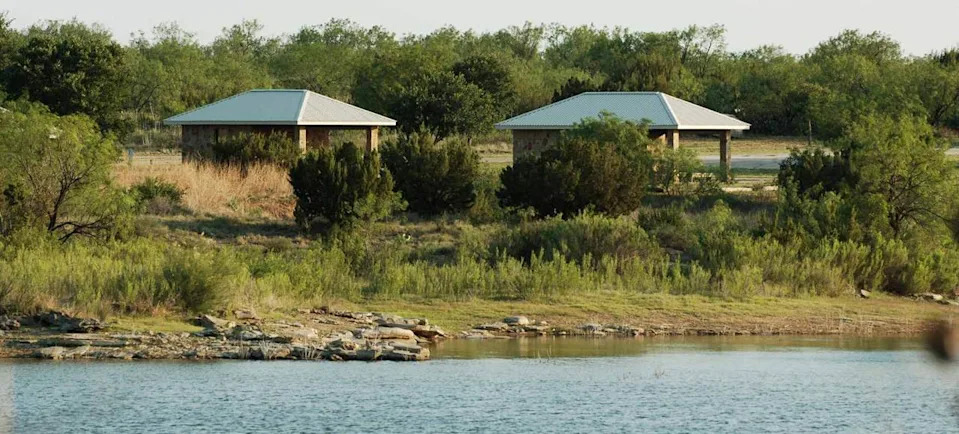
Lake Colorado City State Park (Texas Parks and Wildlife Department photo)
The water at Lake Colorado City State Park “draws wildlife and humans here for respite from the dry West Texas climate,” TPWD says. The park welcomed 22,290 visitors in 2025, an 11.5% decrease from 2024.
9. Fort Boggy State Park
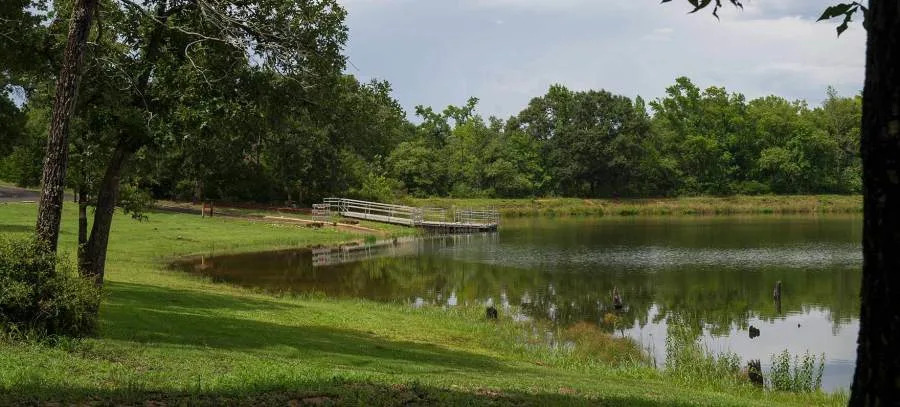
Fort Boggy State Park (Texas Parks and Wildlife Department photo)
“A tranquil patchwork of woods, fields and water.” That’s how TPWD describes Fort Boggy State Park, with its trails, primitive campsites and cabins and a lake. The park welcomed 21,198 visitors in 2025, a 2.7% increase over 2024.
8. Resaca de la Palma State Park
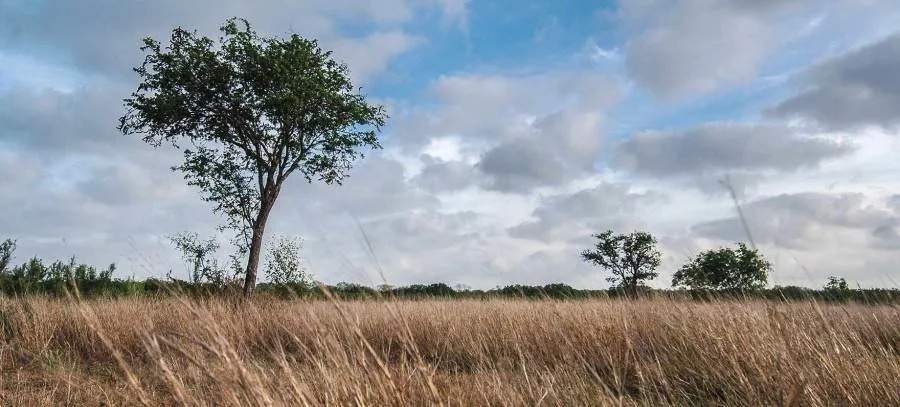
Resaca de la Palma State Park (Texas Parks and Wildlife Department photo)
Referred to as a “Rio Grande treasure,” Resaca de la Palma State Park is a “semi-tropical paradise,” TPWD says, offering a peaceful refuge for people and wildlife. The park welcomed 17,148 visitors in 2025, an 8.7% decrease over 2024.
7. Big Bend Ranch State Park
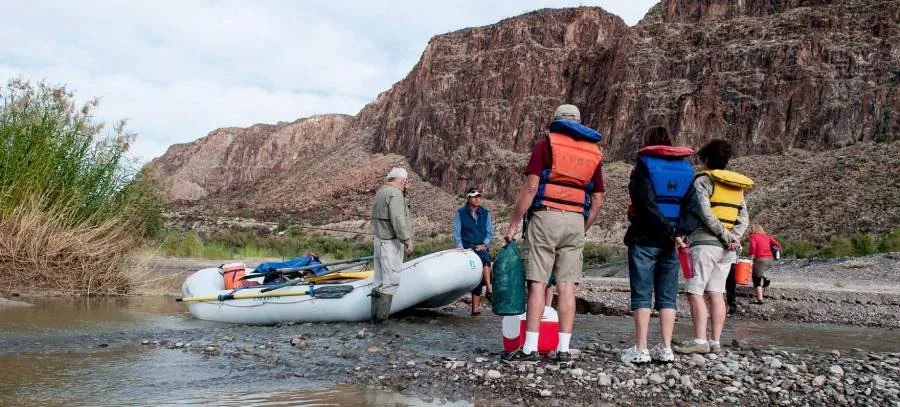
Big Bend Ranch State Park (Texas Parks and Wildlife Department photo)
TPWD calls Big Bend Ranch State Park “the other side of nowhere.” The remote park boasts “rugged mountains, steep canyons, amazing views, unparalleled night skies and solitude in a high desert setting.” The park welcomed 12,451 visitors in 2025, a 10.8% decrease from 2024.
6. Mission Tejas State Park
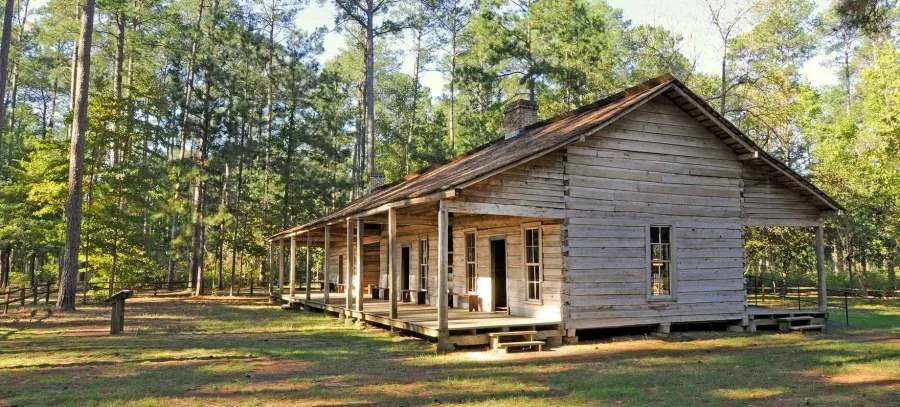
Mission Tejas State Park (Texas Parks and Wildlife Department photo)
At Mission Tejas State Park, TPWD says you can “enjoy the peace of the Pineywoods and glimpses of the past.” The park sits at the north end of the Davy Crockett National Forest. The park welcomed 11,220 visitors in 2025, a 7.7% increase from 2024.
5. Indian Lodge
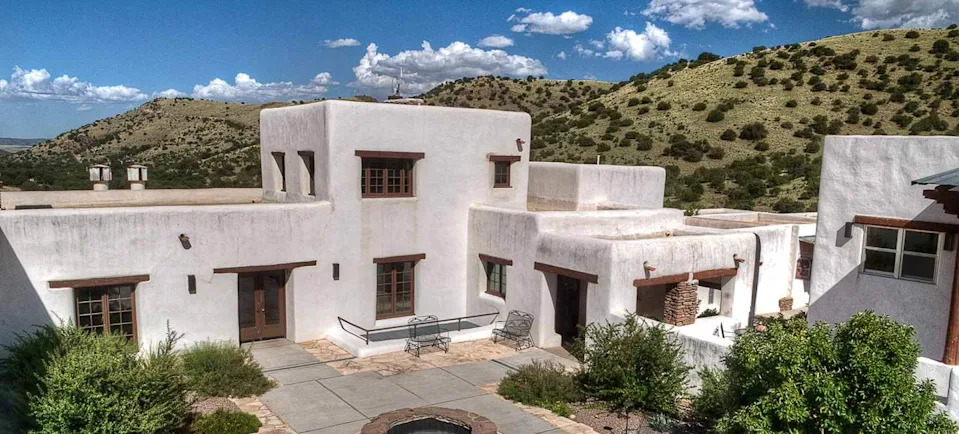
Indian Lodge (Texas Parks and Wildlife Department photo)
TPWD describes Indian Lodge as a “welcome oasis” in West Texas, with white adobe walls, historic aura and a refreshing pool. Guests can stay in one of 39 rooms at the full-service hotel within the Davis Mountains State Park. The lodge welcomed 8,477 visitors in 2025, a 100% increase from 2024, when it was closed for renovations.
4. Fort Leaton State Historic Site
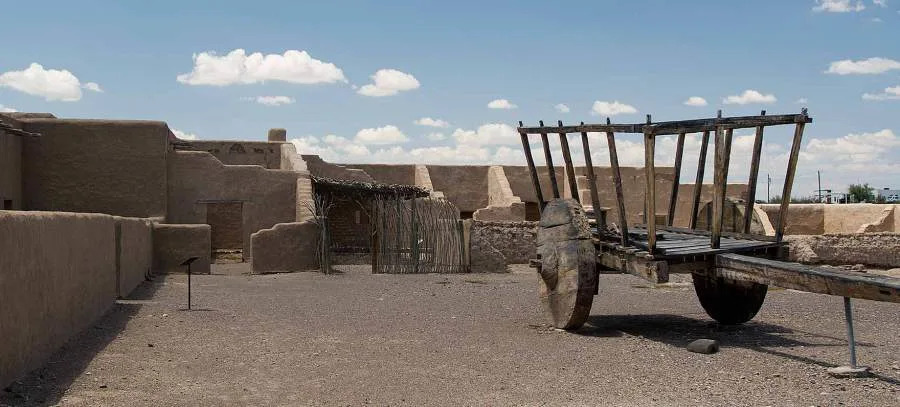
Fort Leaton State Historic Site (Texas Parks and Wildlife Department photo)
The Fort Leaton State Historic Site is the site of a former pioneer trading post near the U.S.-Mexico border. The site welcomed 8,277 visitors in 2025, a 2.5% increase over 2024.
3. Devils River State Natural Area
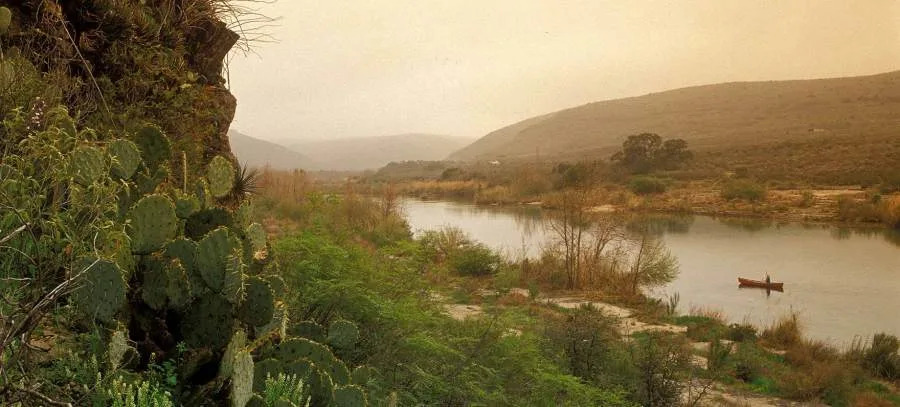
Devils River State Natural Area (Texas Parks and Wildlife Department photo)
TPWD says Devils River State Natural Area boasts “one of the most pristine rivers in Texas” and features spring-fed water tumbling pasts rugged ridges, scenic canyons and brushy banks. “It’s not easy to get here, but it’s worth the effort.” The park welcomed 7,883 visitors in 2025, an 34.0% increase over 2024.
2. Kickapoo Cavern State Park
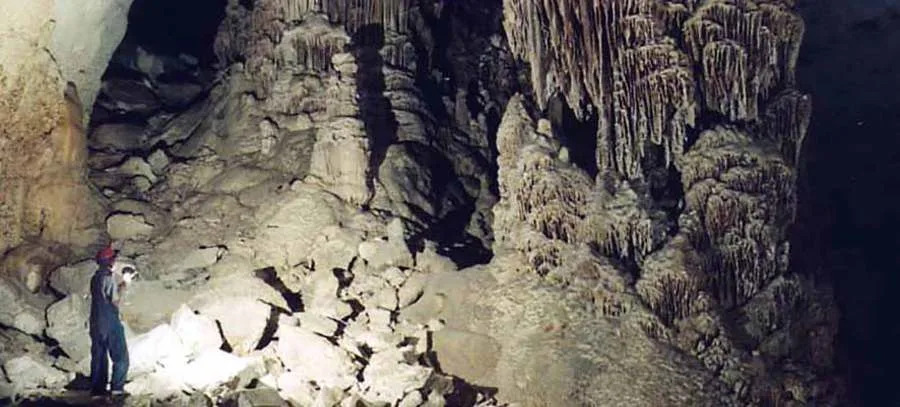
Kickapoo Cavern State Park (Texas Parks and Wildlife Department photo)
Kickapoo Cavern State Park is a “lightly-developed park” with caves, birds, bats and trails. TPWD says to bring a sense of wonder and a spirit of adventure. The park welcomed 6,823 visitors in 2025, a 5.3% decrease from 2024.
1. Devil’s Sinkhole State Natural Area
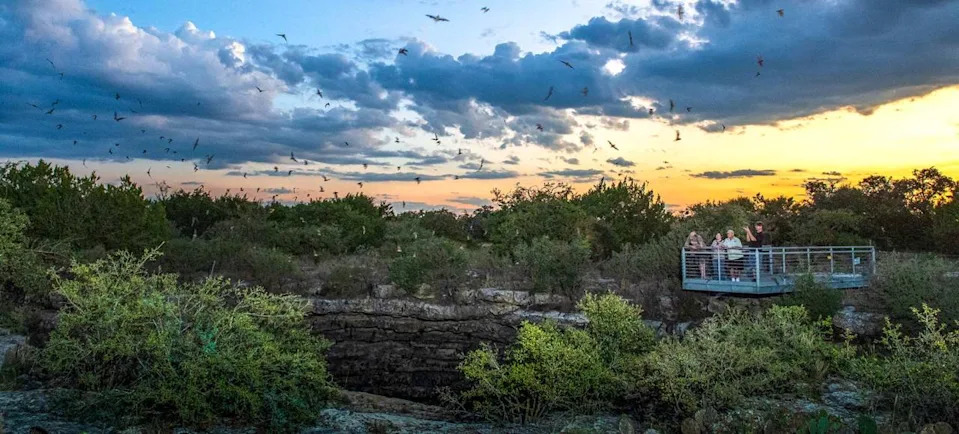
Devil’s Sinkhole State Natural Area (Texas Parks and Wildlife Department photo)
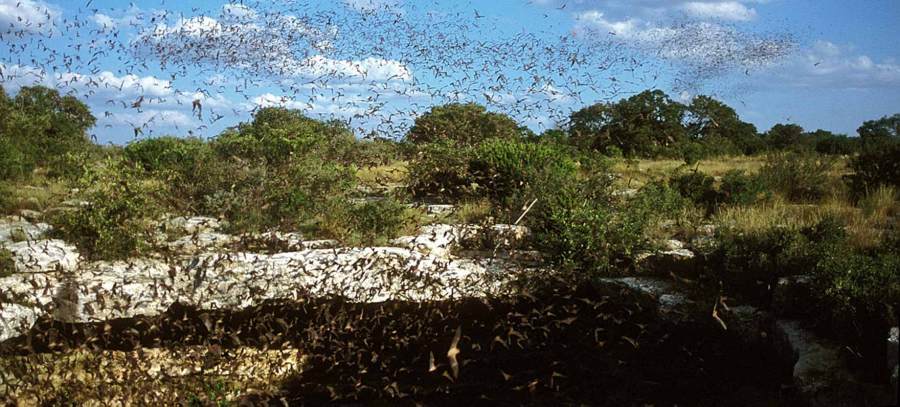
Devil’s Sinkhole State Natural Area is home to one of the largest colonies of Mexican free-tailed bats in the state. About 3 million bats emerge from the sinkhole in search of food on warm nights. Access to the site is only by guided tour. The park welcomed 1,357 visitors in 2025, a 130.0% decrease over 2024.
Looking for the most and least popular parts each season? Here are the top 10 countdowns for spring, summer, fall and winter.
We also looked at the top 10 most-visited state parks. Find that countdown here.
Copyright 2026 Nexstar Media, Inc. All rights reserved. This material may not be published, broadcast, rewritten, or redistributed.
For the latest news, weather, sports, and streaming video, head to KXAN Austin.