
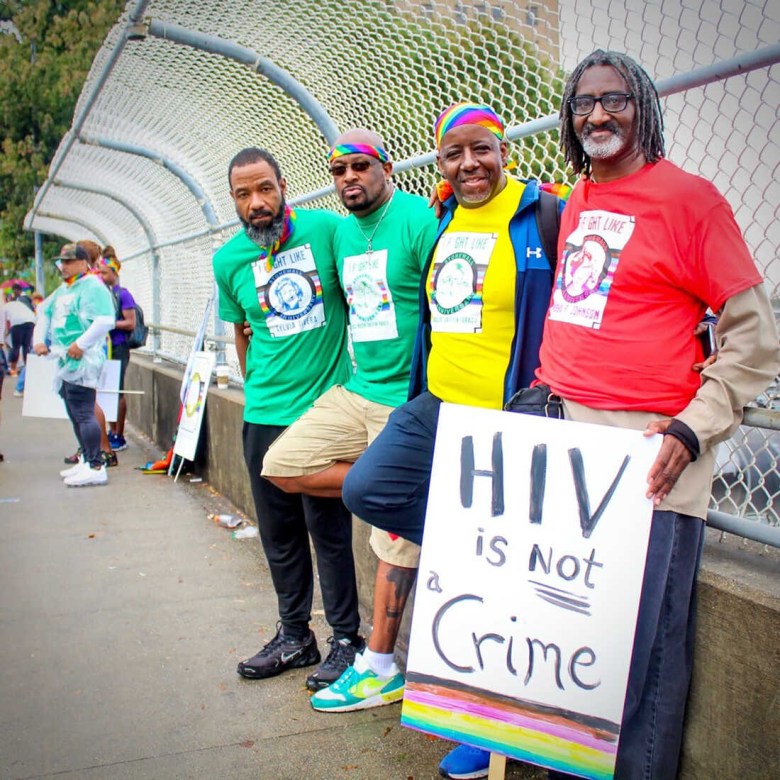
 Ant Wilson, Thaddeus Works, DC Branch, and Renard Prather, all members of Thrive SS, at this year’s pride parade in Atlanta.
Every February 7th, we observe National Black HIV/AIDS Awareness Day (NBHAAD). This year’s theme, “Breaking Barriers. Building Health,” is more than a slogan—it is a directive. For those of us calling Dallas County home, this is not just a health observance; it is a call to address a quiet state of emergency that continues to disproportionately affect our community.
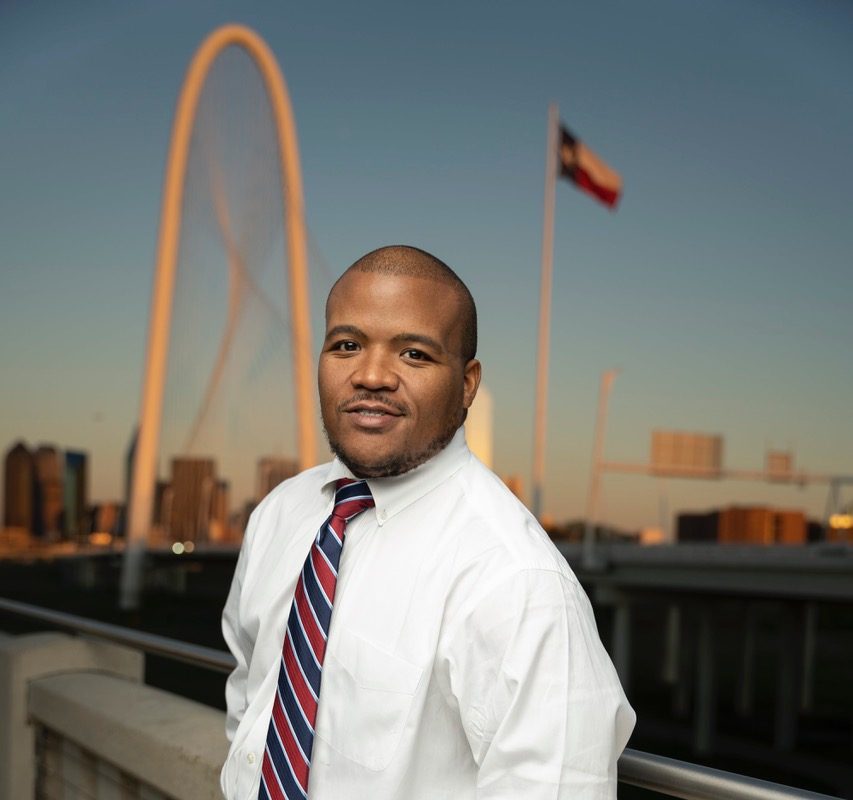
As one of the first people openly living with HIV and serve in state elected office in this country, I do not speak on this issue from a distance. I speak from the front lines of the legislature and from the lived experience of our community. While we have made significant strides, the reality remains: HIV continues to impact Black Texans at alarming rates due to systemic barriers, stigma, and a lack of equitable resources.
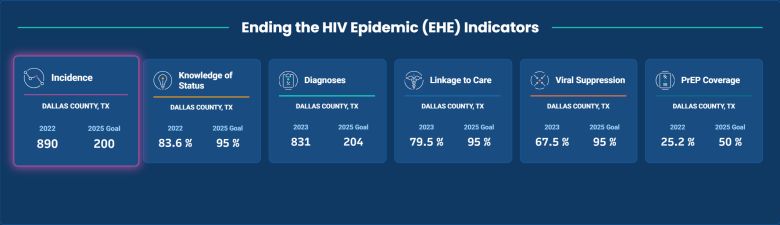
In Dallas County, the data tells a story we can no longer ignore. While Black people make up approximately 24% of the Dallas County population, we account for nearly 50% of all new HIV diagnoses. This disparity is even more stark when we look at the barriers to care: Black residents living with HIV in our county often experience lower rates of viral suppression compared to their white counterparts, not due to a lack of will, but due to a healthcare system that was not designed with our specific needs in mind.
This is why our response must be multifaceted. In Austin, I have fought to break these barriers by:
Securing $2 million for HIV Vendor Drug Rebate Funding.
Establishing a $600,000 pilot program for long-acting HIV injectables to make treatment more accessible.
Advocating for HB 1680 to prohibit prior authorization for PrEP and HB 50 to ensure routine HIV screening.
But policy in the State Capitol is only one piece of the puzzle. To truly end this epidemic, we need the collective power of Dallas’s Black leadership.
We cannot expect solutions to work for us if they are not developed by us. Currently, Dallas County is engaged in critical planning efforts to end the HIV epidemic, but for these plans to be effective, Black leadership must be at the table.
I am calling on our community leaders to move beyond awareness and into governance. We need Black professionals, advocates, and faith leaders to apply for and serve on the Dallas County HIV Task Force and the Ryan White Planning Council. These are the bodies that decide how millions of dollars in federal and local funding are spent. If we are not in the room when these decisions are made, our community’s unique needs will continue to be an afterthought.
To my fellow leaders in Dallas, the “Time for Action” is not a future date—it is today!
To our Faith Leaders: You are the moral compass of our community. Breaking barriers starts with breaking the silence. We need our pulpits to be spaces of compassion, education, and destigmatization.
To our Business Leaders: Health is the foundation of economic stability. Investing in the health of your employees and supporting local HIV service organizations is an investment in the Dallas economy.
To our Advocates and People Living with HIV: Your voices are the most powerful tools we have. You ensure that “nothing about us, without us” remains the standard for care and policy.
To every Black Resident: One of the most powerful things we can do to change the trajectory of healthcare in Texas is to VOTE. We must elect leaders who prioritize Medicaid expansion and protect programs like the Parkland Community Health Plan.
Ending the HIV epidemic in Dallas County requires us to be bold. It requires us to demand that healthcare is treated as a right, not a privilege. It requires us to dismantle the stigma that prevents our brothers and sisters from seeking testing and care.
We have the tools. We have the science, from PrEP to U=U (Undetectable = Untransmittable). What we need now is the unwavering political and social will to finish the job.
This NBHAAD, let us commit to more than just awareness. Let us commit to action. Join the planning efforts, show up to the council meetings, and let us break every barrier standing between our community and the health we deserve.
Related