
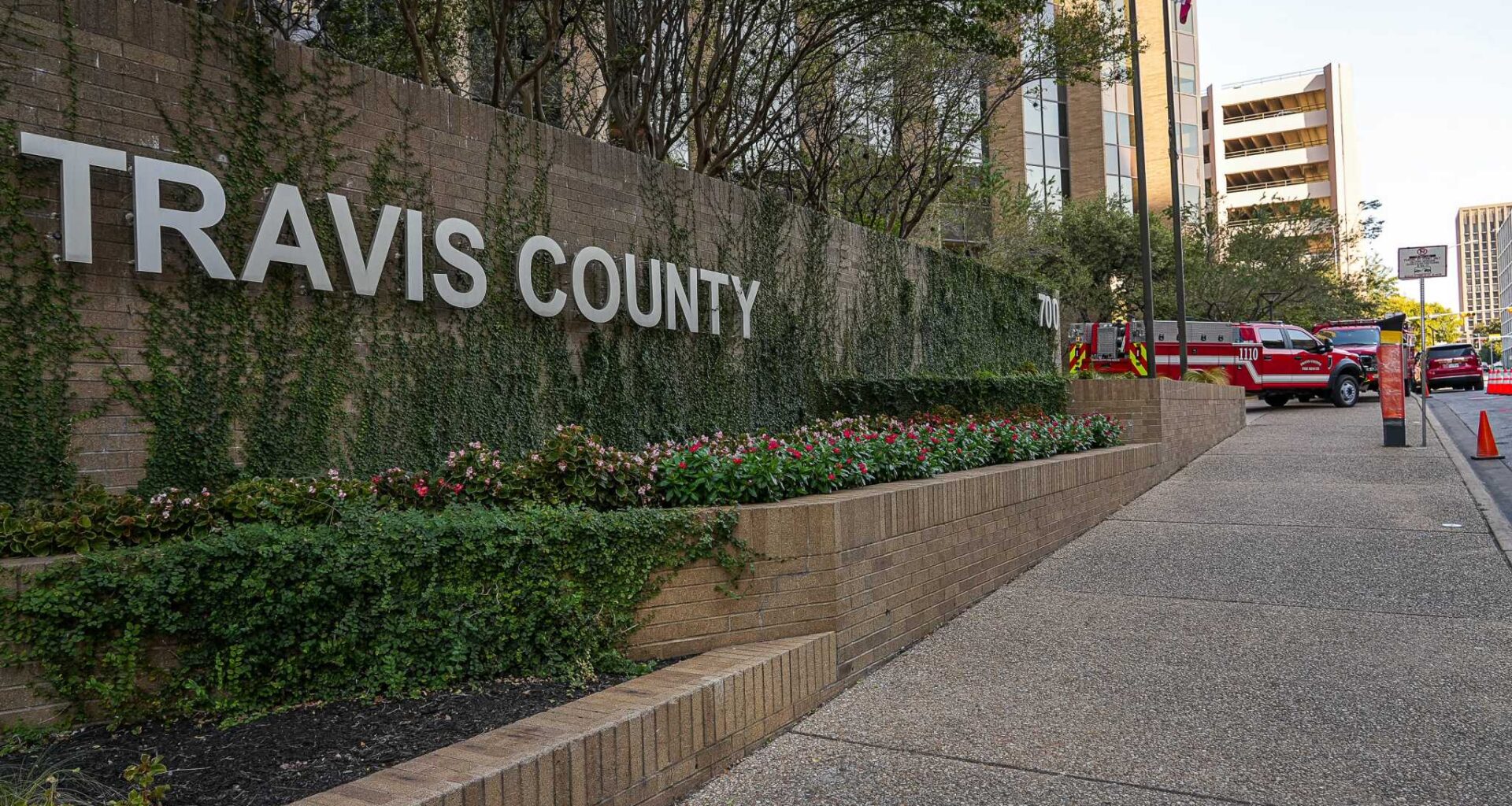
Despite the name, commissioners courts in Texas are not courts in the judicial sense. They do not hear criminal cases or rule on lawsuits. Instead, they serve as the primary governing bodies for each of the state’s 254 counties, making decisions that shape everything from property taxes to public health programs — often quietly, but with wide-ranging impact.
Commissioners courts function in some ways like city councils, but counties and cities play different roles under state law. Counties are political subdivisions of the state, meaning their authority comes directly from the Texas Constitution and statutes passed by the Legislature. As a result, counties can generally act only where state law explicitly allows them to do so.
That legal structure can make commissioners courts seem both powerful and constrained. They manage large budgets, oversee core functions of government and play a central role in disaster response and elections, yet their authority is tightly bounded compared with cities.
Each commissioners court is made up of five elected officials: a county judge and four county commissioners. Commissioners represent geographic precincts that together cover the entire county, while the county judge is elected countywide and presides over court meetings.
Despite the title, the county judge is not a judge in the traditional sense, though the role varies by county size. In most counties, the judge serves as the county’s chief executive, setting meeting agendas, representing the county in intergovernmental matters and overseeing emergency management during disasters. In many rural counties, the judge also has judicial duties, but administrative leadership is the role’s core function statewide.
County commissioners serve as both legislators and administrators. Together, they set county policy and adopt the budget. Individually, they oversee roads, bridges and other infrastructure in their precincts and act as a point of contact for residents. Major actions require approval from a majority of the court.
At the center of a commissioners court’s authority is fiscal control. The court adopts the county budget, sets the county property tax rate and decides how funds are allocated across a wide array of county services.
Some of the highest-profile county functions include running elections, courts, law enforcement agencies and jails; prosecuting all types of crime countywide; and appraising properties for taxing purposes and then collecting those taxes.
According to the Texas Association of Counties, counties are also responsible for:
While counties operate across their entire geographic boundaries, their authority is often most visible in unincorporated areas — places outside city limits where residents do not pay city taxes or receive municipal services. In those areas, counties function as the primary local government, responsible for infrastructure, law enforcement support and certain health and safety functions.