
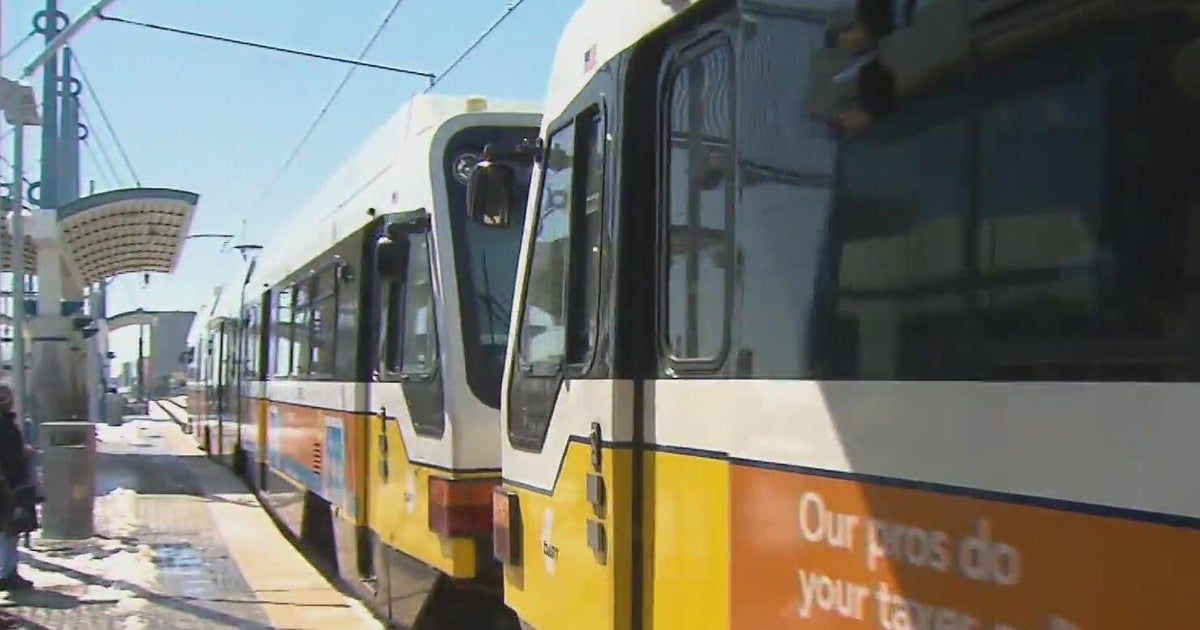
Dallas Area Rapid Transit (DART) currently serves 13 cities across North Texas, but that footprint could shrink as early as May.
Cities consider leaving DART over cost, ridership
Voters in six cities — Farmers Branch, Irving, Highland Park, University Park, Addison and Plano — are expected to decide whether to remain part of the regional transit system, following growing concerns from city leaders over rising costs and what they describe as low ridership.
If voters choose to withdraw, DART estimates the impact would be significant: roughly 800 bus stops, 13 GoLink zones, two Trinity Railway Express stations, two Silver Line stations and 10 DART light rail stations would be affected across the region.
In Plano, city leaders are already planning for what comes next — regardless of the outcome at the ballot box.
Plano explores on-demand transit as backup plan
The Plano City Council is considering adding Via Rideshare, an on-demand transit service that would use buses and passenger vans to move riders within the city. Mayor John Muns has described the proposal as a “test run,” saying it could operate alongside DART or potentially serve as an alternative in the future.
“If Plano votes yes on a new transit option tonight, the mayor says this would function as a dress rehearsal — a way to see whether another service can fill gaps left by DART,” Muns said before Monday’s meeting.
For riders like Olufemi Payten, those decisions carry high stakes.
“It’s my means to get to work. It’s my means to get groceries, to go to family members,” Payten said, describing DART as his primary mode of transportation after recently losing both of his jobs. He said he relies on the system to reach job interviews, meet with caseworkers and navigate daily life.
City leaders, however, argue that the cost has outweighed the benefits. Plano officials estimate the city has spent about $130 million a year in sales tax on DART service, while ridership within the community has lagged.
“The key to DART is convincing people that getting to and from work is a better mode of transportation,” Muns said. “Right now, I don’t believe our community believes that.”
The Via Rideshare proposal includes a six-month contract costing about $4 million, with the option to expand to a full year for roughly $8 million for the next three years. City officials say that even if Plano remains with DART, the new service would initially operate in conjunction with it to test coverage and efficiency.
DART, meanwhile, says it remains committed to working with all member cities.
Earlier this year, the agency said it would “continue to work with all member cities to ensure riders have access to the services they rely on to connect them to work, medical care, leisure and each other.”
Negotiations between Plano and DART are ongoing, with a ballot deadline approaching at the end of the month. Supporters of the transit system say they plan to demonstrate outside Plano City Hall later today in support of keeping DART.
Key week ahead for DART
The Plano meeting also marks the start of a pivotal week for the future of DART across North Texas.
On Tuesday, DART board members are scheduled to meet to discuss the latest developments in negotiations, including possible agency reforms.
On Wednesday, the Dallas City Council is expected to vote on a resolution that would reduce Dallas’ longstanding majority on the DART board, lowering the city’s voting power to 45%.
On Thursday, the Regional Transportation Council is expected to hold a workshop examining potential funding scenarios tied to DART participation, including state and federal considerations and implications connected to the 2026 FIFA World Cup.
For riders like Payten, the outcome remains uncertain — and deeply personal.
“To take it away from us,” he said, “would be like taking away the Mavericks.”