
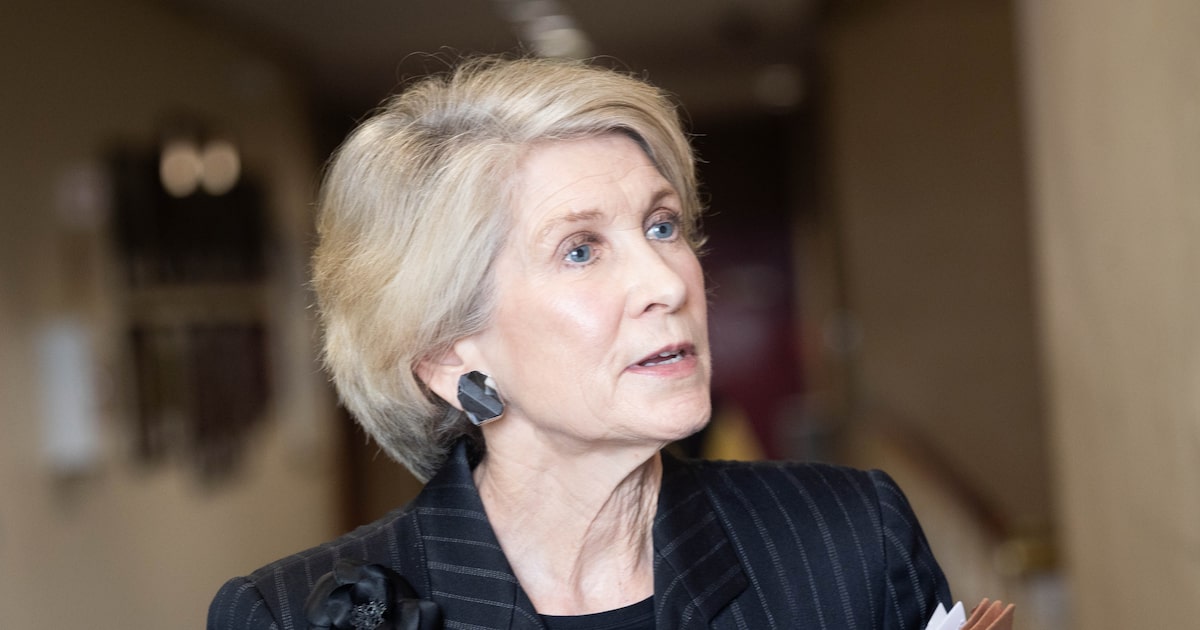
Former Mayor Laura Miller says the city needs to draw more firepower from the private sector to bolster its homelessness response.
Help can come from anywhere, especially for people whose homelessness experience is often hidden behind closed doors in a motel or in a car, she said. It could come from the hundreds of faith-based groups, book clubs, rotary clubs or private companies in Dallas.
If the private sector can clock in, then the city’s resources could potentially help people who struggle with deep-seated mental health needs and substance abuse. “I think for a very long time, we’ve always relied on NGOs and the city of Dallas and taxpayer money to deal with these problems,” Miller told The Dallas Morning News.
The private sector, she says, really hasn’t been engaged. Most residents know only to offer help by way of feeding residents at the Stewpot or dropping a coat at Our Calling, two homeless providers operating in the city.
Political Points
Miller said homeless providers need to be focused on the more complicated issues confronting a person. Others, who are willing to work, can be taken off the streets within days, she said.
At Tuesday’s housing and homelessness committee meeting, Miller detailed a program she and members from her synagogue, Congregation Shearith Israel, developed in 2018 to offer mentorship, financial resources and health support to people who have fallen into homelessness.
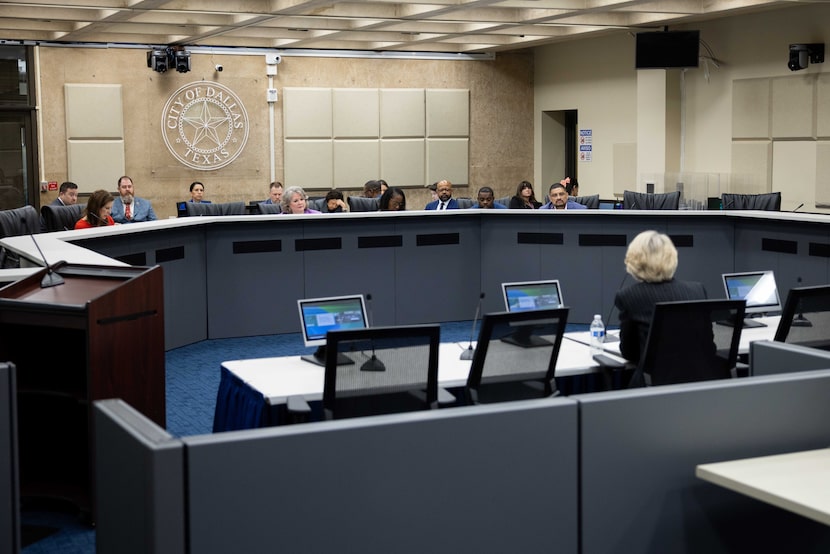
Former Dallas Mayor Laura Miller speaks about the Ladder Project during the Dallas Housing and Homelessness Solutions Committee meeting at Dallas City Hall on Tuesday, Feb. 10, 2026, in Dallas. (From left) Deputy Mayor Pro Tem Gay Donnell Willis, council members Cara Mendelsohn, Lorie Blair, Zarin D. Gracey and Jaime Resendez listen around the horseshoe.
Juan Figueroa / Staff Photographer
Nine volunteers, all in their 60s and 70s, started the Ladder Project with a premise: what if the congregation worked together to take at least one person off the street? “If 1000 congregant members can’t take one person off the streets of Dallas and stay with them until they’re self-sufficient, then we can’t solve homelessness in America,” Miller said.
In December, the City Council gave $10 million to the region’s lead agency, Housing Forward, to parcel out rental assistance and housing support to free up bed space in shelters. The funding expanded upon the street-to-home program, which officials used to house 250 unsheltered residents in downtown Dallas last year.
Last year, volunteers with the city counted fewer people experiencing homelessness — 3,541 — from the years prior. This year’s count will be released in the coming months.
Miller says the city can deploy more tools to turn peoples’ lives around, and her team has templates and findings they are willing to teach others. For example, she said: The 2020 census count showed there were about 3,000 faith-based groups in the region. What if they each took the responsibility for one person?
The volunteers at the Ladder Project, have helped 50 people get back on their feet, and a majority they’ve helped, about 80%, have continued to remain self-sufficient, Miller said. Shelter workers refer people to the program. Volunteers then conduct extensive background checks, ask if the person is willing to work and check for substance abuse history.
The first step is getting the person a job. Miller and her team have partnered with UT Southwestern Medical Center, Presbyterian Hospital and the Legacy Senior Communities to get job support. The next step is helping the person get a roof over their head.
Volunteers help the residents look for housing close to their workplace, and pay for all the upfront costs. They also take advantage of donated furniture and pro bono medical and dental support offered by relationships within and outside the congregation to stabilize their client’s life.
So far, Miller and her team have spent $192,000 since the program’s inception, which averages $3,900 per person.