
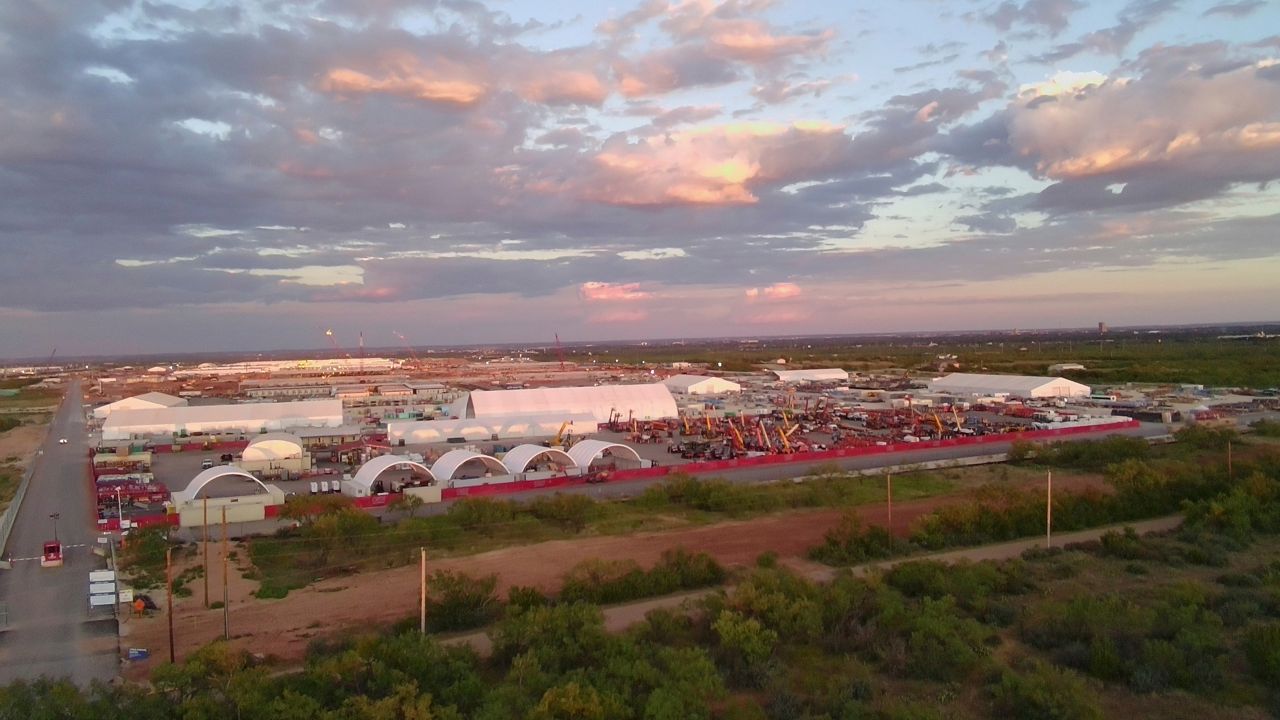
TEXAS — Texas’ data center building boom has come with critical blowback that these campuses suck up vital resources. Artificial intelligence models typically require enormous amounts of computer processing power, which generates extreme heat and that requires massive amounts of energy to cool. The race to find sustainable solutions for the growing data center industry is on.
One Austin company has developed a private AI platform that can run from a phone rather than relying on large data centers.
“We try to get it on device, running in an environment that’s sustainable,” said Tyler Mauer, co-founder of webAI.
The company develops AI models that target specific domains like health care and military operations.
“When we partner with customers, we work on figuring out what model is best for them and how we create a solution that they can actually run cost effectively in their environment,” Mauer said.
Running the software from a phone makes it more accessible and less energy consuming.
“It’s just plugging in your phone to the wall at night,” Mauer said. “Do you think about how much it costs to toast a piece of bread? Right. Probably not. You use your toaster, and you don’t worry about the electricity cost. It’s the exact same.”
The use of resources like electricity and the amount of energy and water data centers consume have been points of concern for those who live in communities where data centers are popping up.
“Since 2024, there is a surge of growth of large load coming to Texas, mainly a lot of them are data centers,” said Ning Lin, the chief economist for the University of Texas’ Bureau of Economic Geology. “That is also posing gaps and challenges.”
In response to that growth, the bureau launched a research consortium called Collaborative Optimization & Management of Power Allocation, Surface & Subsurface strategies (COMPASS) at the end of 2025.
“We’re looking at this saying, ‘there’s a lot of benefits for Texas to benefit,’ but at the same time, without integrated planning and resource alignment, there could be conflict, there could be delays for projects, there could be pushback from communities, there could be a lot of misalignment,” Lin said.
To avoid that misalignment, COMPASS aims to bring communities together with industry leaders and policymakers as data center development takes hold statewide.
“This is why alignment and communication is so important to be part of making it sustainable, because I think sustainable projects means different things for different communities,” Lin said.
While Mauer’s company is one way to approach the growing popularity of AI, he says this concept is not going to get rid of the need for data centers.
“I think there’s always going to be a place for cloud, just like there’s a place for the internet, but I do think that we’re overbuilding since everyone’s trying to get a hold of that new infrastructure demand,” Mauer said.