
AUSTIN, Texas — The new documentary Spiral takes audiences inside the raw and unfiltered experience of a family navigating mental illness, offering a deeply personal look at resilience, vulnerability, and the human spirit. Years in the making, the film is constructed entirely from home video footage spanning more than 13 years in the life of Randall White and his late wife.
What begins as a love story — boy meets girl, they fall in love, get married, have a baby — slowly transforms into a painful journey through undiagnosed bipolar disorder.
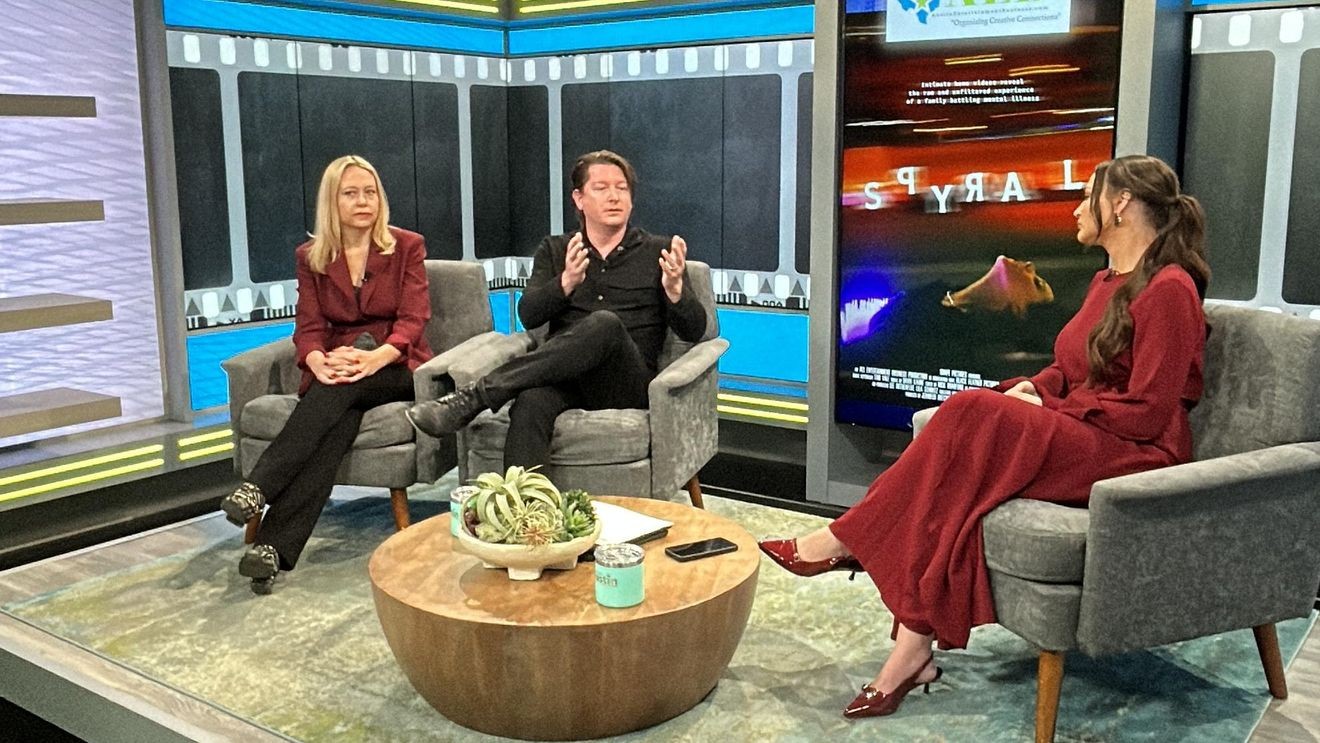
Sierra Waggoner sat down with Jennifer Hutchins, producer, and Randall White, the film’s subject, to discuss why they chose to share such a personal story.

Sierra Waggoner sat down with Jennifer Hutchins, producer, and Randall White, the film’s subject, to discuss why they chose to share such a personal story.
“When I met Randall, he was overcoming the loss of his wife to bipolar disorder. He was sorting through photos and home videos and said, ‘I wish somebody could see what I have here — maybe they could save the life of their wife.’ When I looked at the footage, he was willing to share his life if it could save even one person,” Hutchins said.
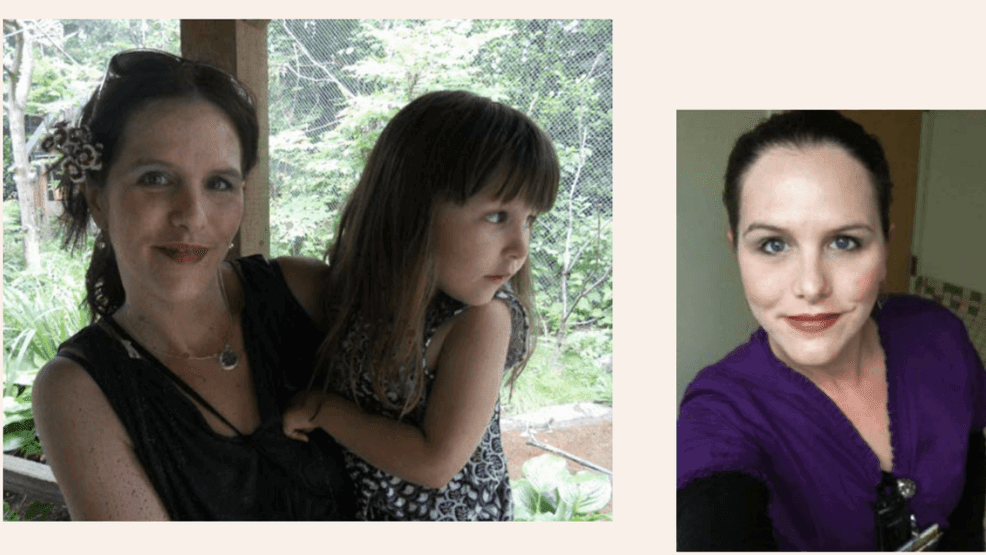 “When I met Randall, he was overcoming the loss of his wife to bipolar disorder. He was sorting through photos and home videos and said, ‘I wish somebody could see what I have here — maybe they could save the life of their wife.’ When I looked at the footage, he was willing to share his life if it could save even one person,” Hutchins said.
The film captures both the highs and the lows of family life, from laughter and holidays to confusion and fear. White explained that recording the moments was a way to try to make sense of what they were experiencing.
“It started with Christmas videos — the kind you assume you’ll watch when you’re older,” White said. “But over time, I began recording because we didn’t know what we were dealing with. It was undiagnosed. I would film episodes and try to play them back to her and say, ‘This is what happened.’ I was trying to get the assistance we needed.”
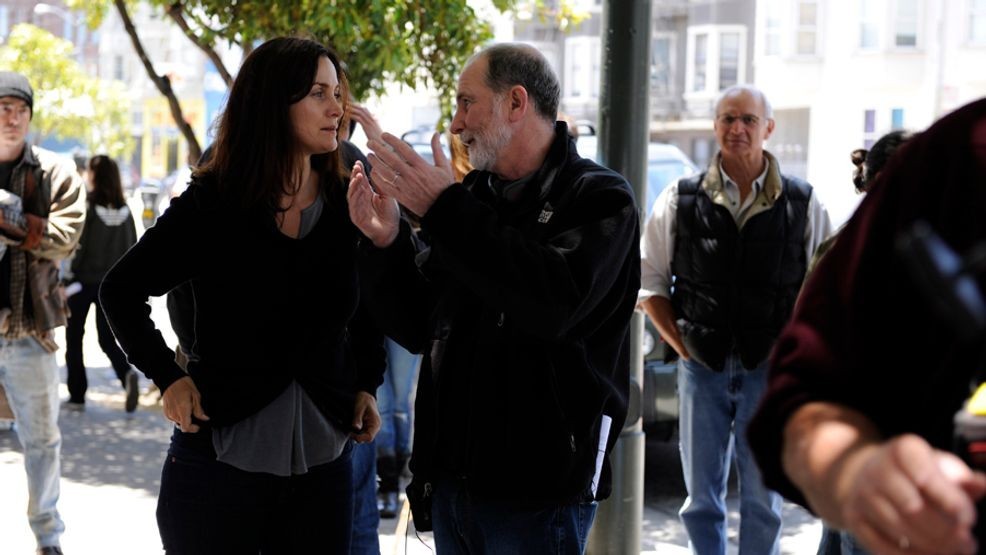
“This isn’t just a movie,” Hutchins said. “It’s a movement. It’s about shattering the silence and shattering the stigma. Vulnerability is actually strength.” Photo credit Angelene Herron.
The documentary shows how mental illness can ripple through a family. “What you see isn’t just bipolar,” White said. “It’s what any kind of spiral can do — alcoholism, schizophrenia, stress. It’s the same story happening in millions of homes across America, just with a different set of ingredients.”
Hutchins described the impact the film has already had on viewers. After the premiere at the Chinese Theater in Los Angeles, a woman shared that she lives with bipolar disorder and had been contemplating suicide. After watching Spiral, she realized she had another option.
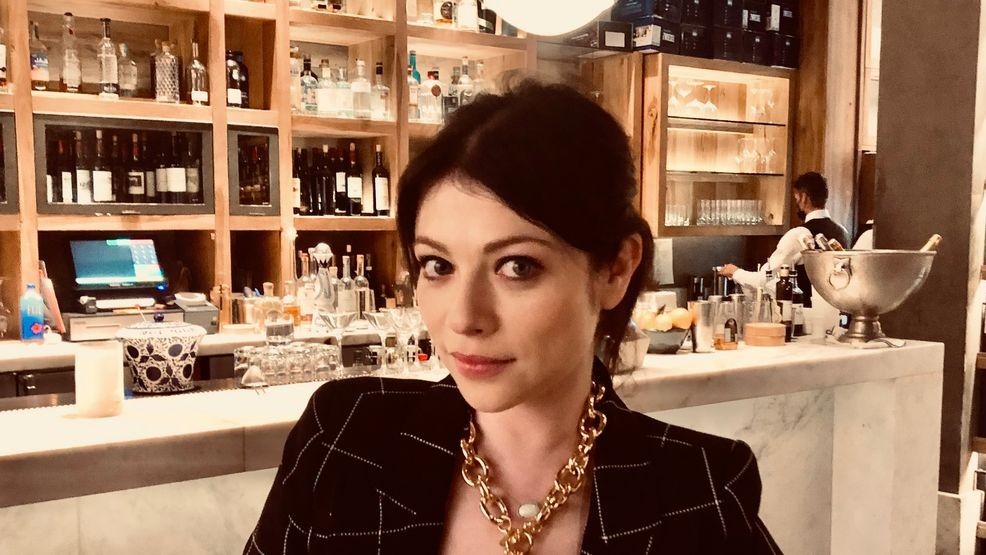
What begins as a love story — boy meets girl, they fall in love, get married, have a baby — slowly transforms into a painful journey through undiagnosed bipolar disorder.
“This isn’t just a movie,” Hutchins said. “It’s a movement. It’s about shattering the silence and shattering the stigma. Vulnerability is actually strength.”
Now, the team is bringing that movement to Austin with the “Shattering the Silence: Comfy Gala,” held at the Sistine Chapel Experience at Barton Creek Mall in the former Sears building. Guests must enter from the parking lot, and the evening is designed to feel safe, welcoming, and authentic — pajamas are encouraged.
“Life is not what you see on social media. It’s not perfect. Every one of us is dealing with something real,” Hutchins said. “We want to rip off the Band-Aid and say you are not alone. There will be resources, wellness activations, real conversations, food, drinks — but most importantly, connection.”
Hutchins explained that the goal of the gala is to create a lasting impact for attendees. “To feel well — that’s the goal. We want you to remember this event on a hard day and ask yourself, ‘What am I doing today to be well?’”
Mental illness affects one in five adults in the United States each year. The gala is meant to provide a space to listen, learn, support, and heal.
“This is more than an event,” Hutchins said. “It’s a space to show up honestly, to connect with others, and to be part of something larger than yourself. Stories like Spiral don’t just change minds. They save lives.”
Tickets for the gala and information on how to watch the documentary are available at allentertainmentbusiness.com, offering the Austin community a unique chance to engage with the conversation around mental health in an authentic and meaningful way.

Tickets for the gala and information on how to watch the documentary are available at allentertainmentbusiness.com, offering the Austin community a unique chance to engage with the conversation around mental health in an authentic and meaningful way.