
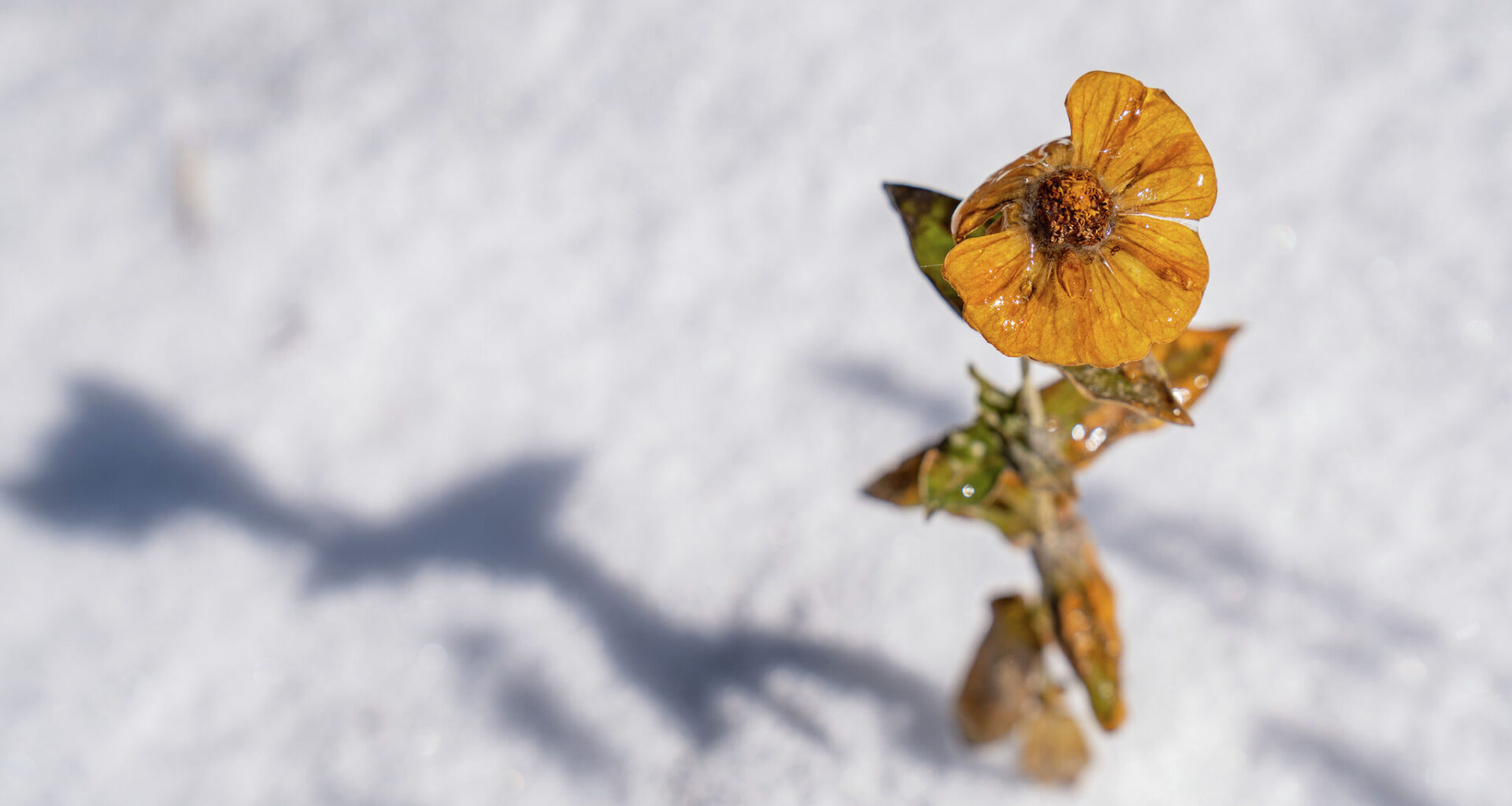
The average date of the last freeze at Camp Mabry, Austin’s main weather observation site, typically falls around Feb. 15 — now just a few days away. But it’s too early to declare winter over. Late-season freezes are still possible, and history proves it: the latest freeze on record in Austin occurred on April 9, 1914, more than a century ago. But looking at a more recent window, over the past 25 years, the latest freeze happened on March 12, 2022.
What about outside of Austin?
So far this season, Austin has recorded nine freezing mornings, while Austin-Bergstrom International Airport has logged 18, and most occurred in January around the time of the Jan. 25 winter storm. This is slightly below the yearly trend, as Austin typically experiences about 12 freezing days per year, compared to 33 at Austin-Bergstrom International Airport.
Freezing temperatures play an important role in regulating plant, animal, and insect life cycles, replenishing snow pack that supplies fresh water, and sustaining snow and ice needed for winter recreation and local economies. But as the planet warms, the coldest nights of the year are also getting warmer across the United States, potentially disrupting both the benefits and risks associated with freezing conditions. In Austin and Central Texas, that trend has resulted in a decline of about 12 freezing nights per season.
While meteorological spring doesn’t officially begin until March 1, many Central Texas gardeners are already preparing their outdoor spaces for spring planting. Vegetables such as sugar snap, snow, and English peas are top of mind, since they need 50 to 60 days to produce before consistent warm weather arrives.
The extension recommends moving hardy seedlings outdoors and planting seeds for beets, turnips, and carrots during the last week of February. Late February is also a good time to plant summer bulbs like gladiolus, and it’s the final opportunity to set out cool-season vegetables such as cauliflower, broccoli, and cabbage.
Still, gardeners should monitor the forecast closely — especially morning temperatures — and be ready to protect plants from a late-season freeze.
You can sign up to receive weather alerts from the American-Statesman with the form below.