
As millions of visitors prepare to descend on North Texas for the FIFA World Cup, city of Dallas officials say the global spotlight also brings local environmental responsibility.
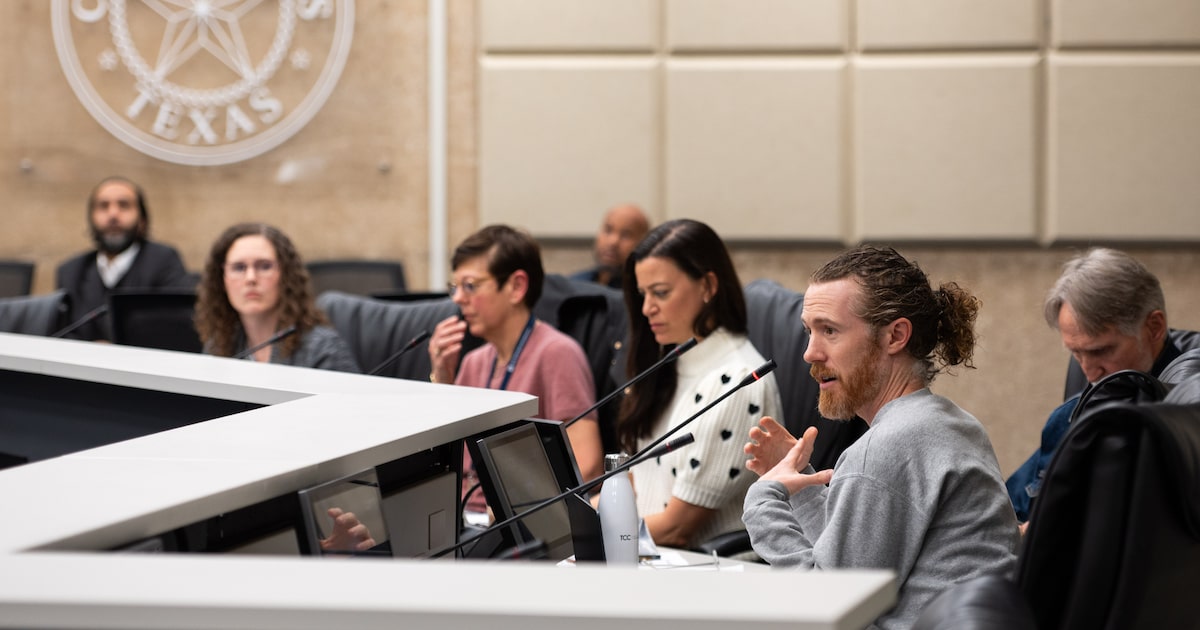
From protecting residents from extreme summer heat to monitoring air quality, city staffers presented their approach to FIFA’s sustainability priorities Wednesday at the Dallas Environmental Commission meeting.
FIFA’s sustainability approach focuses on reducing the soccer event’s environmental impact, supporting local communities and promoting long-term benefits for the city, working with local authorities, businesses and residents. Some of the key areas include air quality, water conservation and waste management.
Oppong Hemeng, senior climate coordinator with the city’s Office of Environmental Quality and Sustainability, said Dallas is relying heavily on data from its urban heat island study to guide preparations.
Breaking News
Last year, the city presented the findings of its Urban Heat Island Mapping Study. The study measured the temperature of almost the entire city and found out which neighborhoods were hottest. The lack of tree canopy and the higher concentration of concrete contributed to the higher temperatures.
“The urban heat island spatial data enables both the host committee and the national committee to take action to reduce the health impacts of extreme heat for local residents and international visitors,” Hemeng said.
Related
The city plans to publish a Heat Intervention Guidebook in spring to provide guidance to residents and visitors on staying safe under extreme heat. The medical leadership of FIFA, soccer’s global governing body, is also working with Dallas on a heat response framework for the summer World Cup.
To collect air quality information, Dallas will use nonregulatory air sensors through its Community Air Management Program near FIFA activation sites, such as Fair Park. The air monitors collect data on the pollution residents might encounter.
But commissioners questioned how the air quality data would be used beyond monitoring.
Commissioner Paula Day for District 14 asked whether the system had any enforcement power or real-time response, noting that collecting data alone does not prevent pollution spikes during major events.
Hemeng said the program focuses on monitoring and public information, acknowledging that it does not function as a regulatory enforcement tool. He said the city plans to use the data to issue health alerts and behavior guidance, such as encouraging people to stay indoors during poor air quality conditions.
Related

“It is still a data collection system at the moment,” Hemeng told commissioners, adding that the World Cup will serve as a large-scale test of how effectively air quality information can be shared with the public.
Community engagement
During the meeting, city staff said several public-facing initiatives are planned ahead of the tournament.
Dallas will host the North Texas Climate Symposium on April 20, focusing on how climate challenges affect residents, businesses and quality of life.
A regional Clean Air Action Day on June 5 will promote behavior changes such as using mass transit and reducing household energy use.
The city also plans to support sustainability-related events organized by Dallas-based groups, offering outreach assistance and on-site staff. Planned activities include tree plantings, community cleanups and youth education programs across North Texas.
Meghna Tare, FIFA’s sustainability chair for the region, told commissioners the effort is collaborative.

Oppong Hemeng, senior climate coordinator, Office of Environmental Quality and Sustainability, responded to a question as the Dallas Environmental Commission discusses how it plans to comply with FIFA’s environmental sustainability regulations for this year’s FIFA World Cup, on Wednesday, Feb. 11, 2026 at Dallas City Hall.
Ben Torres / Special Contributor
“This is a regional effort,” Tare said. “It’s not something that one department has done alone. If you have an initiative in mind, we still have time to bring it forward.”
Businesses, waste and water
Dallas is expanding its Green Business Certification Program, a free initiative that recognizes companies adopting environmentally responsible practices. With practices like lowering the use of natural resources or incorporating recycling. Businesses will be promoted through city channels and FIFA-related platforms.
Commissioners raised concerns about plastic waste and food recovery at fan events, asking whether compostable utensils and reusable containers could replace single-use plastics.
City staff said sustainability requirements are being discussed with event vendors, including strategies for recycling, composting and food donation.
Water conservation is also part of the plan, with messaging coordinated through regional partners to promote efficient water use during the tournament.
Lasting impact
Beyond the tournament, Dallas officials said they hope the World Cup leaves lasting benefits, including expanded tree canopy, permanent green infrastructure, safer outdoor spaces for youths and improved air quality.
City staff members said they will continue submitting progress reports to FIFA while refining implementation timelines and defining what environmental legacy the tournament will leave behind.
Residents, nonprofits and businesses interested in learning more about FIFA’s sustainability approach or wanting to get involved can visit its website.