
AUSTIN, Texas — The increasing number of severe weather events pummeling Austin has the city looking for more effective ways to bounce back. The Austin Resilience Network (ARN) is a next step in helping people recover from catastrophic events.
“We want a whole community approach to preparedness, response, and recovery and that is what the Austin Resilience Network is,” said Jim Redick, Director of Austin Emergency Management.
The microburst that pelted Austin in May of 2025 put the Austin Resilience Network to its first test. The powerful column of sinking air toppled 91 utility poles and left neighborhoods without power for several days.
“These community organizations are all throughout the city so they are able to identify what the needs are quicker than we can,” said Redick. “Why does the government necessarily have to set up points of distribution when there are food pantries and people already know where to go. Why wouldn’t we just kind of build around that and support that.”
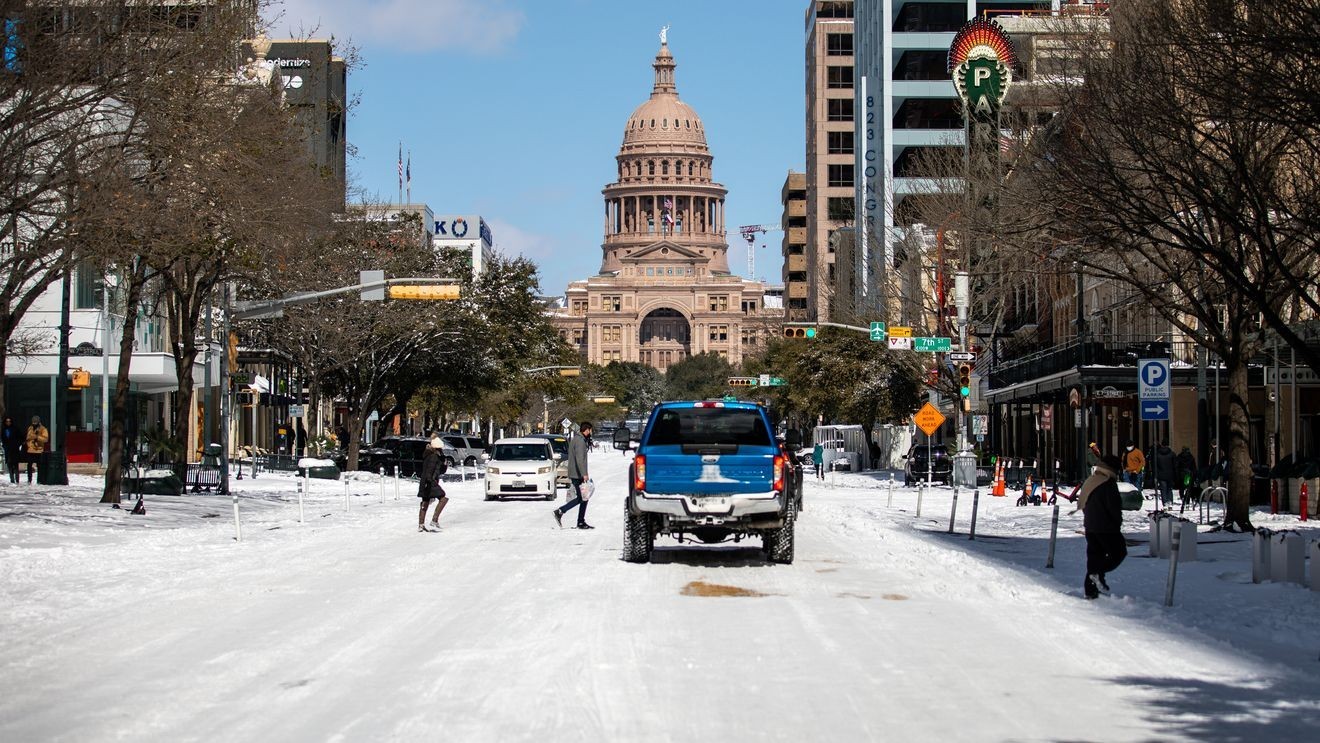
The winter storms in 2021 and 2023 established the need for a network of city and community resources. The idea is to bring non-governmental organizations into the mix so Austin can bounce back faster from emergencies.
ALSO | Texas’ power grid weathered another winter storm. Is it ready for the future?
“When we bring all those folks together and their talents and resources and expertise, we’re truly a more resilient and stronger community and able to withstand really what comes our way and recover more quickly,” said Redick.
On paper, ARN looked like an effective next step. The May microburst and January’s sleet and ice storm gave it real world tests.
“We are more prepared now than we were then and part of that solution is the connection and relationships that we have as part of the Austin Resilience Network,” said Stephen Brewer, Associate Director of the Austin Disaster Relief Network.
Brewer helps lead the non-profit that brings together over 200 Central Texas churches and is now part of ARN.
“How will the Austin Resilience Network make a difference?” asked CBS Austin Reporter Bettie Cross.
“It is important to have these other players at the table, even smaller nonprofits that do not necessarily specialize in disaster relief like we do. When something hits our city, hits their community, they are at the table helping to bring resources and solutions,” said Brewer.
The new network has not faced a challenge like the 2021 winter storm. But when the next catastrophic weather event hits, city leaders say they are confident ARN will multiply available resources and allow Austin to better handle a city-wide emergency.