
Under mounting conservative pressure to clamp down on liberal “indoctrination” in college lecture halls, the University of Texas System will consider a new policy clarifying the limits of a faculty member’s academic freedom next week.
The system’s proposal states faculty have a responsibility to foster a welcoming environment for all views; fairly present different theories and scholarly evidence; allow students to make their own conclusions; and avoid controversial topics irrelevant to course material.
The policy states faculty should “ensure a broad and balanced approach” to teaching controversial and contested issues. But the policy does not define “controversial,” nor does it lay out how the university system will enforce the guidance. If approved, universities will be charged with interpreting the policy. It is unclear when it would go into effect.
Language in the proposal mirrors the flagship university’s Statement on Academic Responsibility, which was developed last November by a committee of faculty to ensure academic responsibility while respecting academic freedom. Some faculty felt the university did not go far enough to defend departments under attack.
“Instructors must not attempt to coerce, indoctrinate, harass, or belittle students, especially in addressing controversial subjects and areas where people of good faith can hold differing convictions,” the proposed UT System guidance reads. “Similarly, instructors must protect the right of students to express views germane to the class in all of its aspects.”
The policy would charge the UT System’s 14 universities with building “appropriate breadth and balance” in their faculty makeup and curriculum to ensure students are exposed to various viewpoints. In line with Senate Bill 37 — a major higher education overhaul law passed in May that defangs faculty governance — the proposal says institutions should review general education requirements to ensure students don’t have to study “unnecessary controversial subjects” and make a “principled determination” on if controversial material is needed for a degree program.
Regents will vote on the policy while facing pressure from state lawmakers, who have criticized how Texas universities teach about race and gender for years.
In the weeks after, university systems, including the UT System, launched investigations into courses mentioning gender and opened audits to ensure compliance with state law and “system priorities.” Texas A&M University System banned courses that advocate for race or gender ideology or include LGBTQ topics without prior approval. Texas Tech University System did the same, while banning courses that recognize the existence of transgender or nonbinary people.
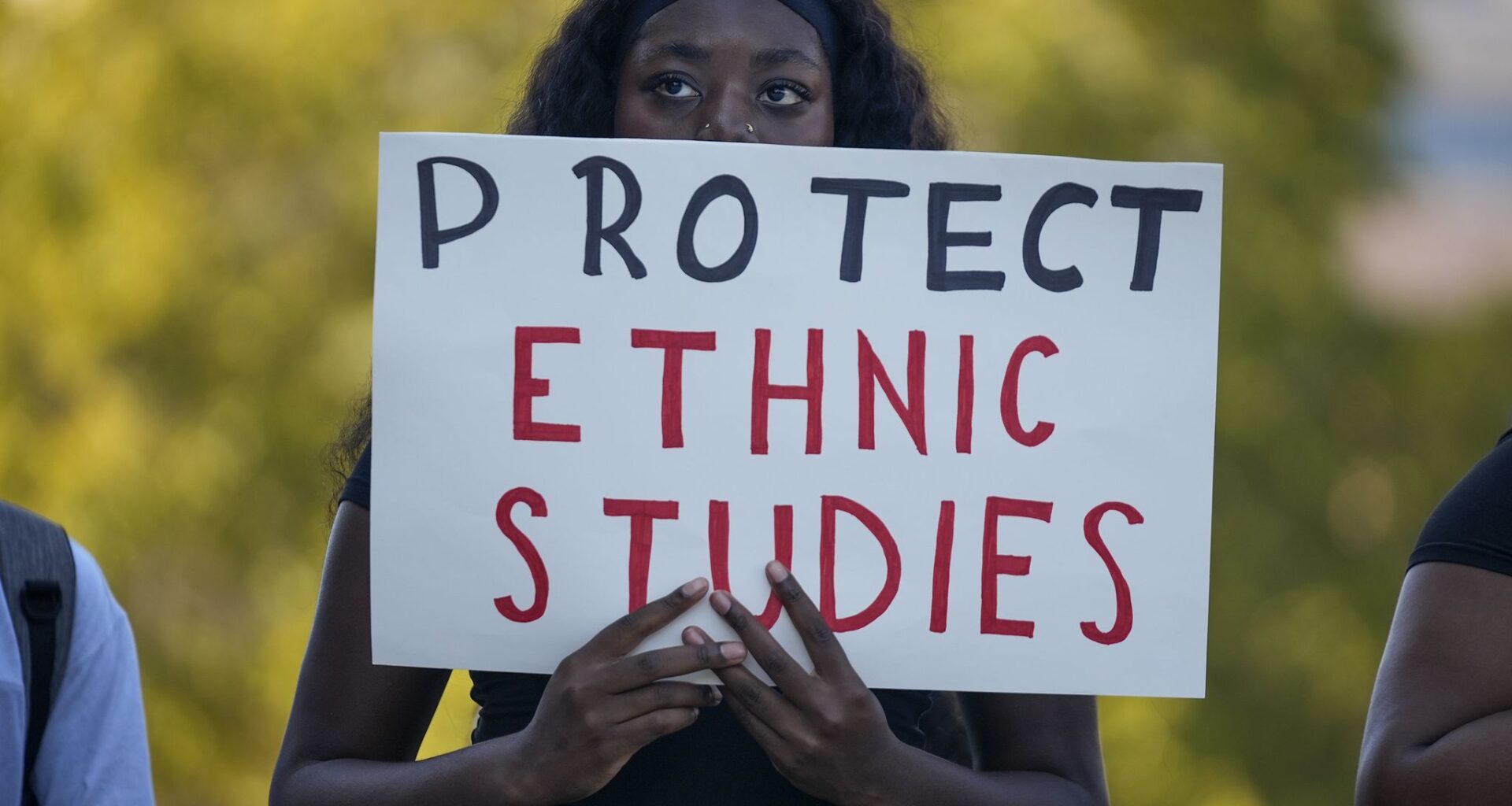
In a message to the campus, Davis said the reorganization follows a thoughtful look into the department’s faculty to student ratio, mission, breadth of study and student demands. But faculty accused university leadership of consolidating their programs for political motivations. They worry the move will hurt the school’s reputation.
“The changes that are happening are going to and already have created damage that will last for, I don’t know, decades,” said Lisa Moore, UT’s chair of Women and Gender Studies, in an interview before the consolidation announcement. “I’ve never seen the forces that want to break down higher education (be) so successful as now.”