
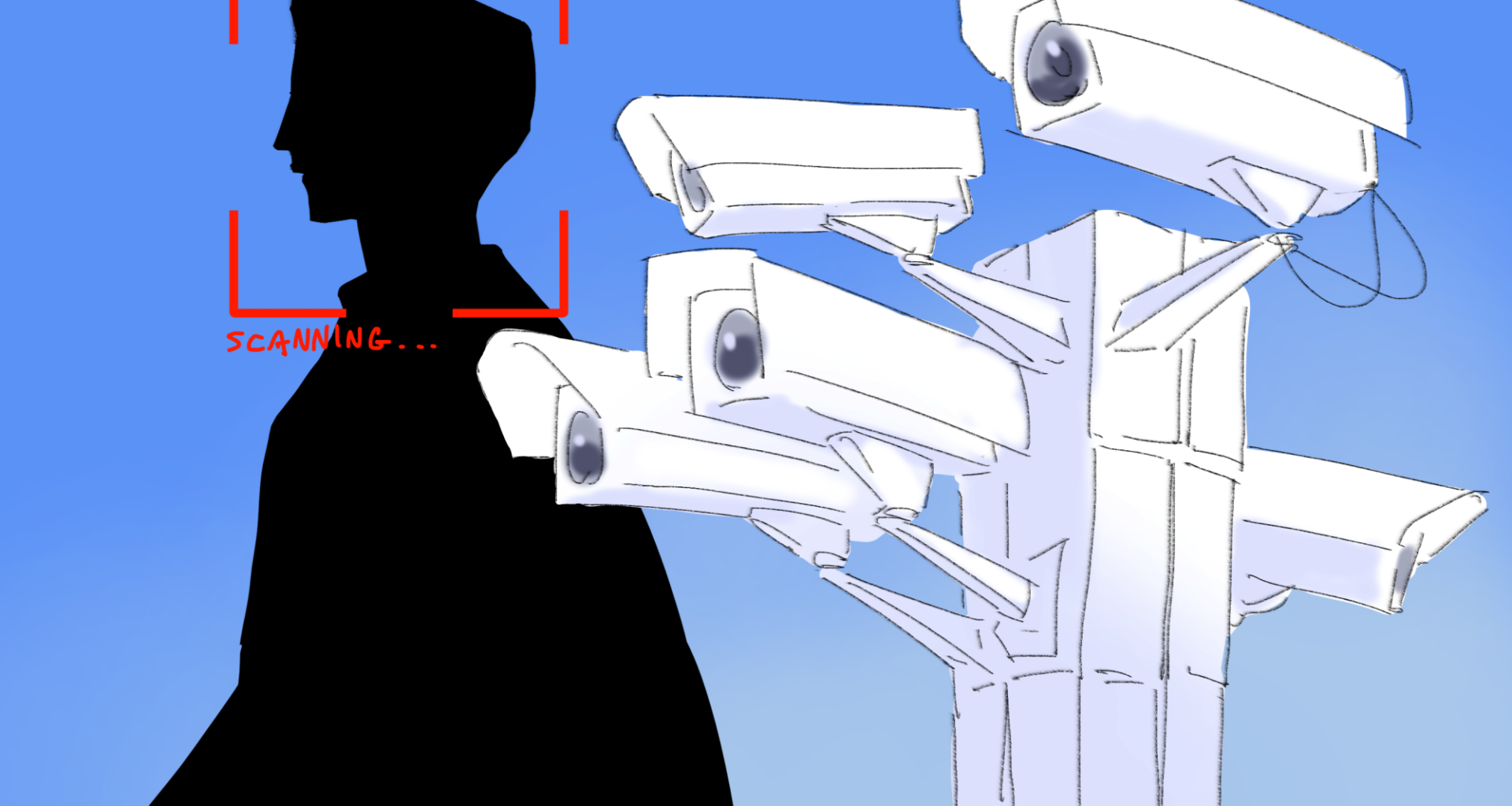
The Austin City Council asked city staff to regulate surveillance technology in a resolution that passed on Feb. 5.
The Transparent and Responsible Use of Surveillance Technology Act, or the TRUST Act, orders City Manager T.C. Broadnax to draft an ordinance amending the city code by April 23. The ordinance must regulate facial recognition technology that uses artificial intelligence and ban data collection for marketing.
The resolution also requires publicly available policies that describe each use of surveillance technology in the city, including the data it can legally collect. Mayor Pro Tem Chito Vela said in a news release that the resolution is important because these technologies have “become more powerful and pervasive.”
“Surveillance technology can be an important tool for public safety,” said Vela, who sponsored the resolution, in a news release. “(The) City has a responsibility to be transparent, accountable, and clear about how they’re used, who has access to the data, and how residents’ rights are protected.”
Sharon Strover, co-director of the Technology and Information Policy Institute, said while the language of the TRUST Act is specific about the technology that it intends to limit, technology will continue to evolve past what is mentioned.
Strover also said other cities that have opted to create annual reports about surveillance technology ended up “overwhelmed” by the amount of information to report.
“It was taking them so long to come up with these reports, it was like a whole nother bureaucratic hurdle,” Strover said. “So is that a reason not to do it? Maybe not, but I think it is a reason to think carefully about what it is the city really wants from these reports.”
According to the news release from Vela, the resolution comes after an August 2025 agenda item proposed expanded surveillance in city parks. According to a January report by the City of Austin, crime decreased in nine of 15 Austin parks that implemented new security cameras.
Surveillance technology and privacy are concerns for students and residents, Zohaib “Zo” Qadri, who represents UT and West Campus in the Austin City Council, wrote in a statement. Qadri said the resolution would help create transparency in public safety technology.
“New technologies can bring real benefits, but they can also create real risks if they are adopted without clear rules and strong safeguards,” Qadri wrote. “This ordinance helps ensure that surveillance tools are not used in ways that harm civil liberties, impede free expression, or disproportionately impact vulnerable communities.”