
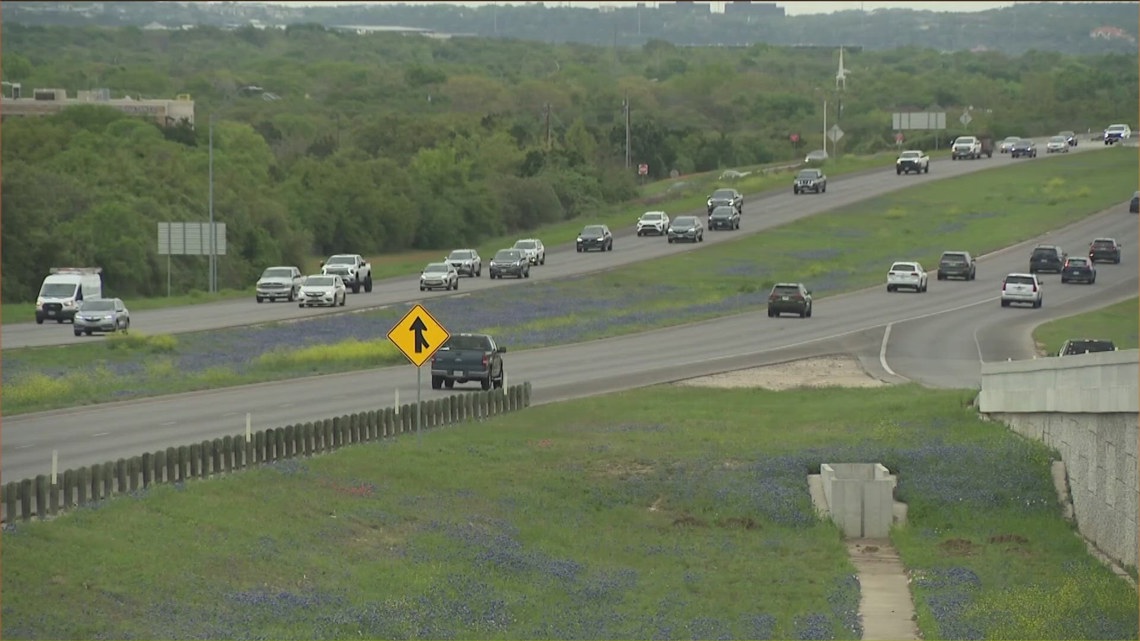
AUSTIN, Texas — A major construction project set for South Austin has cleared a major hurdle.
The Central Texas Regional Mobility Authority (CTRMA) has released the results of an environmental study tied to the MoPac South Project, which would add express lanes to an 8-mile stretch of MoPac Expressway from Cesar Chavez Street to Slaughter Lane.
Similar to the express lane that runs up the middle of MoPac going north from Downtown Austin, the project would also widen shoulders and add a path for pedestrians and cyclists from Lady Bird Lake to Slaughter Lane.
The price tag currently sits at about $825 million.
CTRMA released a 220-page report on Friday saying the current conditions along that stretch of highway create unreliable travel times and delays.
The population of Travis and Hays counties is set to grow by 85% in the next 20 years, so the study found doing nothing to expand that stretch of highway will lead to more congestion.
“Public involvement has significantly shaped the MoPac South Environmental Study and Build Alternative to create a project intended to provide benefits for all types of users,” said James Bass, executive director for the mobility authority. “The 8-mile corridor continues to see growth and traffic congestion is expected to worsen over time if nothing is done.”
Analysts say this project won’t result in significant impacts on the environment. The agency anticipates consultations on the Endangered Species Act with the U.S. Fish and Wildlife Service to assess potential adverse effects to the Austin blind salamander, the Barton Springs salamander, the Bee Cave harvestman and Tooth Cave spider.
The public will get to start weighing in on the MoPac South Project next month. CTRMA’s comment period opens on March 9 and runs through May 3. Participants will be able to access the virtual public hearing by visiting www.ph.mopacsouth.com. Comments can also be submitted to mopacsouth@ctrma.org or via voicemail (no longer than 3 minutes) at 512-387-5811.
The agency will have things like videos and exhibits posted online for people to review, and it will also host an in-person hearing about the project on March 24 at Bowie High School from 5:30 p.m. to 7:30 p.m.