
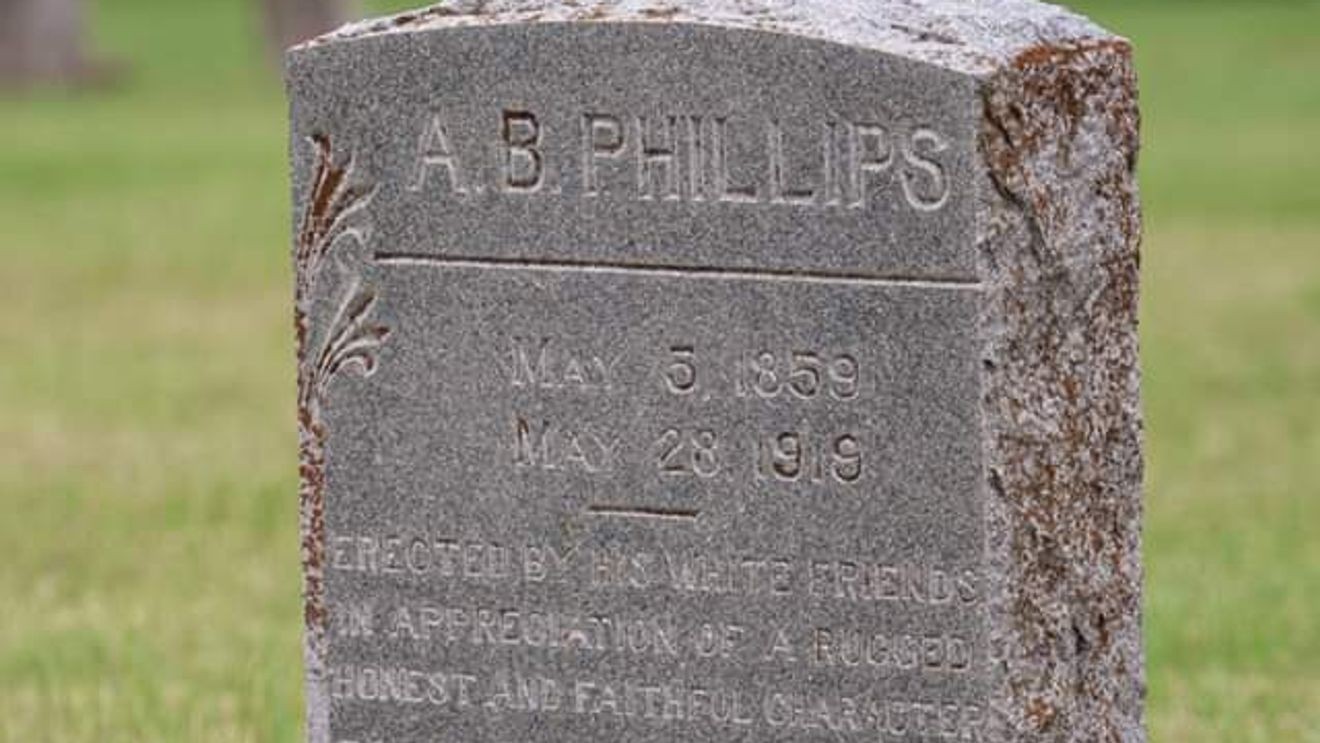
AUSTIN, Texas — Tucked into East Austin is a burial ground that holds generations of Black history, from formerly enslaved people to military veterans and longtime community leaders.
Bethany Cemetery is Austin’s first Black cemetery. Austin City Council District 1 representative Natasha Harper-Madison said that “by way of our history, there’s a certain part of town where designated…for African-American families that included our churches and our cemeteries.”
Preservation Austin policy and outreach planner Meghan King-Namour said people buried at Bethany include those “that were formerly enslaved who saw freedom and saw moments, very dark parts of this country’s history and Texas’s history.”
Which is why these stories deserve to be told in the eyes of the Bethany Cemetery Association.
“I think it means that the people who decided after emancipation to settle here in Austin, that they were resilient, you know, and they built their communities and the institutions that served them,” said Bethany Cemetery Association President Sue Spears.
Some graves are clearly marked, while many others are not. Willie Rivers, believed to be the first person buried in the cemetery, has only a tin sign marking his grave.
ALSO| Historic Calhoun House in East Austin a sign of ‘resiliency’ and ‘Black excellence’
Spears said the cemetery “holds the stories of Austin freedmen colonies and early Black Austinites.” She said the earliest grave belonging to Rivers is dated 1835, ten years before Texas joined the United States of America.
“It was still part of Mexico,” Spears said.
Spears said the cemetery includes the graves of “military veterans, teachers, educators,” and “pastors of the different early African-American churches,” along with “every regular people who worked and labored in East Austin and other parts of Austin to help build Austin.”
But that’s not all. There are even ties to former Texas governors. “We have the gravestone of Easter Pease, who was actually enslaved by Governor Elijah Pease,” Spears said.
Spears, a lifetime Austinite who now leads the Bethany Cemetery Association, said she once didn’t even know the cemetery existed.
“It was just surprising to me,” she said. “I have lived in Austin most of my life, born and raised here, so I’m a native Austinite. And I didn’t even know myself that that was a cemetery.”
The city of Austin is preparing to vote later this year on designating Bethany Cemetery as a historic landmark.
“To me, it’s more than just a cemetery. It’s an archive, a living history. Some of those stones are the only evidence that those people ever survived or ever were here walking this earth,” Spears said.
Spears said people still visit Bethany Cemetery to connect with their roots and to find relatives’ graves. “So to me, it’s just very important that we do whatever we can to make the cemetery inviting, make it educational.”
Because the cemetery is not owned by the city, it takes donations through the Bethany Cemetery Association, which helps maintain the cemetery. If you would like to donate, you can do so by visiting the Bethany Cemetery Association’s website.