
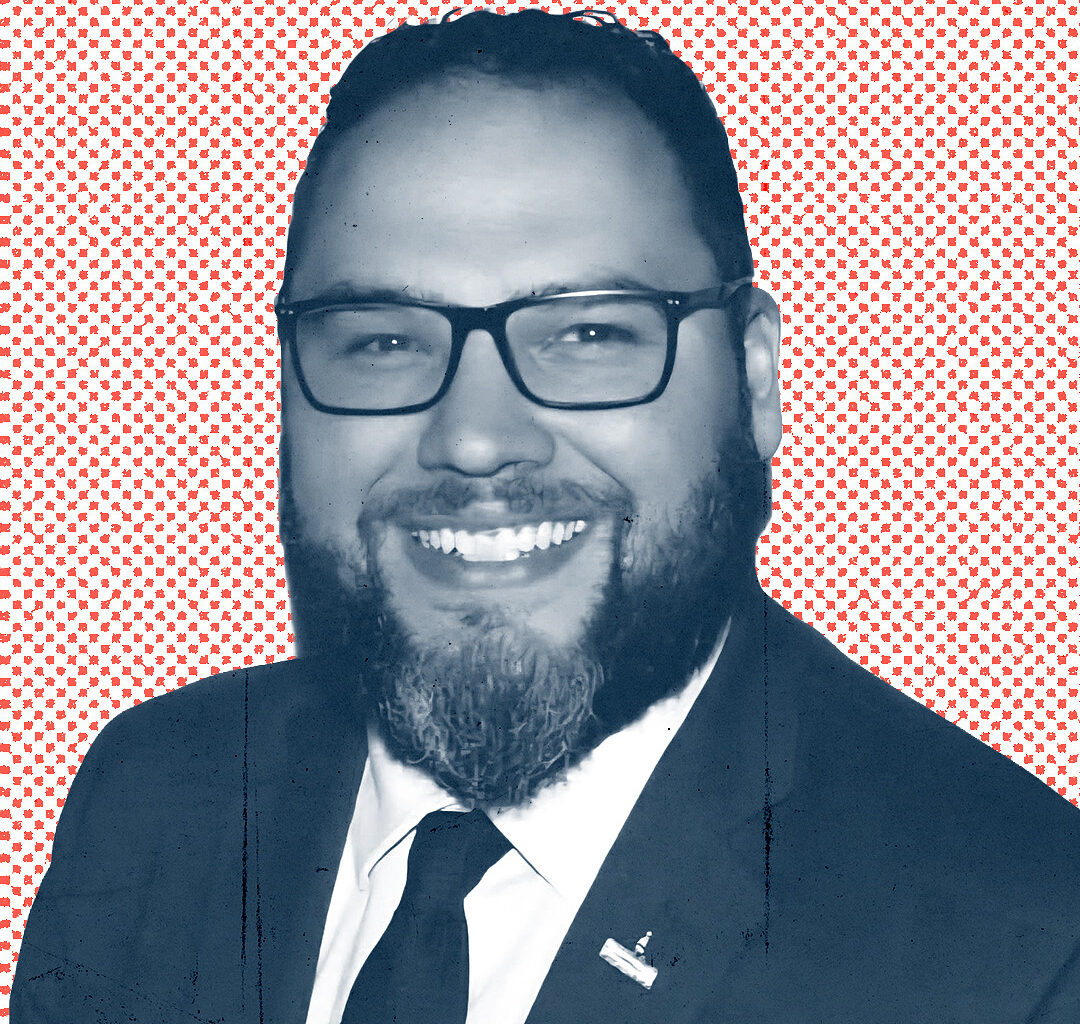
Age: 37
Public email address: gaberivasfortarrant@gmail.com
Campaign website: GabeRivasforTarrant.com
Social media:
Education:
I’m a proud product of the excellent public education system right here in Tarrant County’s Precinct 2. Our local schools shaped my commitment to public service, beginning in Arlington ISD, where I graduated from Arlington High School. I continued my education locally at the University of Texas at Arlington. Having attended school, worked, and lived my entire life in this district, I have a firsthand understanding of the needs and aspirations of the students and families in our community.
Occupation and workplace:
I most recently served as the director of Community Outreach for Tarrant County, Precinct 2. In this role, I managed constituent services, coordinated intergovernmental projects, and acted as a direct bridge between the community and county government. My professional background is rooted in community advocacy and public service with over a decade of experience in field organizing and local civic engagement.
Previous elected office(s) sought or held:
While I have not previously held a public elected office, I have served in leadership roles within the community. I am running for county commissioner not to gain a seat, but to continue my life’s work of advocacy and service to the residents of Tarrant County.
How long have you lived in Texas and in your district?
I’m a sixth-generation Texan and lifelong resident. I was born and raised in Arlington and have made Tarrant County Precinct 2 my home for the last 37 years. My deep roots in this community are what drive my commitment to service. I don’t just live in this district, I am a product of it, and I believe in continuing to strive to make this community a better place for everyone.
What are your qualifications to serve in this office?
My career has been about people, not politics. As director of Community Outreach for this precinct, I not only worked on policy, but I worked to solve daily crises for our neighbors. I have personally met with neighbors in their homes to help them with public health concerns and worked directly with families to secure emergency rental assistance when the system felt impossible to navigate. My work is the hands-on link between our residents and the Commissioners Court. This commitment is rooted in nearly 20 years of local advocacy. I’ve seen firsthand how the jail crisis and health care gaps affect our families. I’m running because I’ve spent my life doing the work of a commissioner, listening, responding, and fighting for equity. I am ready to lead on day one because I already represent this community in my heart and in my daily actions.
What are your top three priorities, if elected? Briefly describe how you would approach each.
1. Restoring Transparent, Accessible Government: I will return the Commissioners Court to the people by restoring twice-monthly meetings and ending restrictive public comment rules. Transparency shouldn’t be a hurdle. I will be a “neighborhood commissioner,” holding evening town halls and local office hours to listen to residents directly. I will fiercely protect the right to vote by opposing the elimination of polling locations, ensuring students, seniors, and working families have convenient, bipartisan access to the ballot.
2. Building an “Infrastructure of Care”: In Tarrant County, physical and medical systems are linked. I view roads, bridges, and clinics as a single “Infrastructure of Care.” I will prioritize vital subcourthouse repairs while expanding public health outreach through mobile units and neighborhood clinics. This philosophy extends to the Tarrant County jail. We have to treat medical and mental health needs as core operational requirements, ensuring safety and accountability are never secondary thoughts.
3. Equitable Growth and Economic Stability: Growth must benefit everyone. As rising costs squeeze families, I’ll advocate for a county budget that provides real relief, including re-establishing local rent and utility assistance programs. By partnering with cities to incentivize affordable housing and strategic development, we can ensure that as we build new roads, we are also building a path toward economic stability for every resident of Precinct 2.
What is the single biggest issue your constituents face? How would you address it?
The single biggest issue facing my constituents is the widening gap between Tarrant County’s rapid growth and the accessibility of essential services. Following recent redistricting, Precinct 2 now includes significantly more unincorporated territory and diverse neighborhoods, each with unique needs. Currently, our infrastructure, from roads to health care, is failing to keep pace with our population. We have to shift the county’s philosophy from centralized administration to neighborhood-based service equity. To close the “service gap,” we must bring the county to the people. I will fight for permanent neighborhood clinics and mobile health units to provide mental health and preventative care directly within Precinct 2. Our subcourthouses should be fully functional hubs where residents can access everything from vehicle registration to social services in one stop, eliminating the need to travel or get the county run-around. For our unincorporated areas, I’ll implement a transparent, data-driven plan. This moves us beyond reactive patchwork repairs toward public maintenance schedules that prioritize safety and drainage. I don’t view these as abstract policies. They are the daily hurdles my neighbors face. As your commissioner, I will ensure Tarrant County’s growth never outpaces our commitment to the people. I am dedicated to a county where every resident is seen, heard, and served.
Why are you seeking this office?
I am seeking the office of county commissioner for Precinct 2 because this community is not just lines on a map to me, it is my lifelong home. My history is woven into the neighborhoods of this precinct, and for nearly 20 years, I have dedicated my professional life to advocating for the families who live here. My decision to run is the natural extension of that work, and I’m running to continue the service I’ve performed every day.
Through my work in the commissioner’s office, I have had a front-row seat to both the potential of our county and the systemic hurdles that prevent many of our neighbors from thriving. I’m running because I believe that the people of Precinct 2 deserve a commissioner who doesn’t just understand policy, but who understands them. They deserve a leader who is present in the community as a permanent fixture in their neighborhoods.
We’re currently at a crossroads in Tarrant County. Recent decisions to limit participation in our government and the ongoing humanitarian crisis in our county jail represent a move away from the transparency and accountability that a healthy democracy requires. I’m seeking this office to reverse that trend. I want to ensure that our Commissioners Court is a place where every resident, regardless of their ZIP code or work schedule, can have their voice heard. I am running because I have the unique combination of institutional knowledge and community trust. I know how the county budget works, I know how to navigate the bureaucracy to get things done, and I know the names of the neighbors who are counting on us to get it right. I’m seeking this office to be a bridge between the people and their government, making sure that as Tarrant County moves forward, no neighborhood in Precinct 2 is left behind.
Who are your top five campaign donors?
My campaign is fueled by a grassroots coalition of local leaders, community organizations, and neighbors who believe in a more accessible and responsive Tarrant County government. My top contributors reflect this diverse support: the Muslim Democratic Caucus of Texas who have endorsed my race, as well as individual contributors Larry Jordan, Philip Mitchell, Megan Hale, and Richard Gonzalez.
I am incredibly proud that my campaign is powered by local voices rather than outside special interests. From generous in-kind contributions from a beloved local business like Marquez Bakery and State Rep. Terry Meza or a neighbor opening their pocketbook, every dollar represents a shared commitment to improving our health care, fixing our infrastructure, and ensuring that every resident has a seat at the table. This local support is what allows me to remain independent and focused solely on the needs of the families I’m running to represent.
Have you ever filed for bankruptcy? If so, when?
No, I’ve never filed for bankruptcy.
Have you ever been convicted of a crime, in Texas or another state? If so, what crime and when?
No, I have never been convicted of a crime in Texas or any other state.
What are your budget priorities, and why?
A budget is a moral document, not just a ledger. It shows what we value. My priorities focus on fiscal responsibility, human dignity, and neighborhood equity.
Restoring Human Services: I will fight to bring Human Services back under direct county oversight. Outsourcing rent and utility assistance can erode accountability. We need a robust, county-managed department to ensure our seniors and families have a clear, reliable path to help during a crisis.
Jail and Public Safety: The rate of deaths in custody is a tragedy and a massive financial liability. I will shift budget resources toward 24/7 clinical staffing and diversion programs. Prioritizing mental health and medical professionals on the front lines saves lives and reduces long-term legal costs for taxpayers.
Infrastructure Equity: Growth in Precinct 2 means more responsibility for roads in unincorporated areas. I will prioritize a transparent public works budget that ensures these neighborhoods receive their fair share of maintenance.
Protecting the Vote: I will fully fund the Elections Department to maintain robust polling locations. Cutting election access isn’t “fiscal responsibility,” it’s a tax on democracy.
While JPS operates under its own budget, the Commissioners Court is responsible for setting the hospital district’s tax rate and ensuring it has the resources necessary to serve our growing population. My priority is to advocate for a hospital tax rate that provides stability, and makes sure we aren’t starving our public health infrastructure during a period of record growth.
Neglecting a road or a senior’s utility bill eventually costs the county more in emergencies. Proactive, compassionate investment is the most responsible way to build an efficient Tarrant County that serves everyone.
What do you see as the county’s role in managing infrastructure, such as streets and water quality, across the county amid rapid growth?
Tarrant County’s rapid expansion is a sign of vitality, but it places a massive strain on our foundational systems. Following redistricting, Precinct 2 now includes significantly more unincorporated land. For these residents, the County Commissioner is the primary provider of essential services.
We need to move beyond patchwork maintenance in unincorporated areas toward a data-driven, long-term plan. The county serves as the “regional glue,” using voter-approved bonds to fill funding gaps for major projects shared with municipalities, ensuring a seamless transportation web.
The county plays a critical role in stormwater management. Without proper oversight of new developments, we risk erosion, flooding, and chemical runoff. We need to maintain ditches and culverts proactively. Protecting our water is a public health necessity.
And we can’t wait for a bridge to fail before we act. I advocate for the “field-first” approach where our Field Operations team identifies problems before they become crises. This includes finally replacing crumbling facilities like the Mansfield Subcourthouse.
Infrastructure reflects a government’s promise of safety and reliability. As your commissioner, I’ll ensure our growth is managed with transparency and a commitment to the quality of life that makes our community home.
With a reduction of public meetings, some residents are concerned about opportunities to engage with their elected officials. How do you plan to engage with constituents?
Effective government must be rooted in the community. Recent reductions in public meetings and restrictive comment rules have eroded public oversight, treating constituent input as an inconvenience rather than a necessity. My plan moves the center of government away from the courthouse and into our neighborhoods.
We need to return to a twice-monthly meeting schedule and abolishing the “day-before” registration requirement. To ensure working families can participate, I will propose evening sessions so democracy isn’t limited to those who can take off work on Tuesday mornings.
Representation requires more than sitting behind a dais. I will implement monthly rotating town halls and “Mobile Office Hours” at local libraries and subcourthouses. Whether addressing drainage issues in unincorporated areas or helping seniors navigate services, my goal is to meet residents where they live.
We also have to modernize communication in this county. So residents don’t need a law degree to understand the county budget, my office will provide clear, digital summaries of upcoming votes and real-time project updates via newsletters and social media.
Transparency is about more than being open, it’s being proactive. As Tarrant County grows, the voice of the resident must remain the loudest in the room, and by bringing the office to the people and speaking clearly to the public, we can rebuild the trust our community deserves.
How would you approach bipartisan collaboration on the Commissioners Court?
Political headlines thrive on conflict, but our neighborhoods thrive on results. A pothole doesn’t ask for your party affiliation before it pops a tire. Bipartisanship on the Commissioners Court can never be about compromising values. We’re responsible for a billion-dollar budget that belongs to the people, not a political party.
To bridge partisan gaps, I focus on the “common-sense center.” Everyone wants safe roads, a secure county, and fiscal responsibility. As director of Community Outreach, I’ve learned that when you stop talking about “platforms” and start talking about “projects,” the partisan temperature drops. I will be the commissioner who brings data and resident stories to the table, prioritizing practical solutions.
We have seen enough “political theater” to know it doesn’t build a single mile of road. I am interested in the work, not the drama. Transparency is the great neutralizer of partisan tension, and when decisions are made in the light of day and backed by clear data, it becomes difficult to vote against the best interest of the county.
Tarrant County residents deserve a government that works as hard as they do. I will be a steady, reasonable voice willing to work with anyone to improve life in Precinct 2. If we keep our eyes on our neighborhoods, there isn’t a problem in this county we can’t solve together.
How would you address concerns about deaths in the Tarrant County jail?
The loss of life in our county jail is the most tragic failure of our local government. Since 2017, over 70 individuals have died in our custody. When a person enters that facility, Tarrant County assumes a moral and legal obligation to ensure their safety. We are failing that duty, costing us both human lives and millions in taxpayer dollars for legal settlements.
My approach focuses on three pillars: clinical oversight, independent accountability, and reducing overcrowding.
We have to stop asking detention officers to act as medical triage. I will fight to return clinical oversight to medical and mental health professionals. Professionalizing care ensures crises are spotted before they become fatalities — this is about competence, not just compassion.
Trust is at an all-time low because the county is basically “grading its own homework.” I will mandate independent, third-party investigations for every in-custody death, with findings released to families and the public immediately. Transparency must be our standard procedure, not a concession made after a protest.
Our staff is at a breaking point because our jail is filled with nonviolent individuals who just can’t afford a $500 bond. I advocate for common-sense bail reform to keep low-level offenders out of high-acuity environments, allowing officers to focus resources on high-risk individuals.
I’ve lived in this community my whole life, and I know that Tarrant County is better than its current record on jail safety. We need a Commissioners Court willing to look at the data, listen to the medical experts, and put the structures in place to make sure that a jail sentence, or more often a stay while awaiting trial, does not become a death sentence.
This <a target=”_blank” href=”https://fortworthreport.org/2026/02/16/gabe-rivas-democratic-candidate-for-tarrant-county-commissioners-court-precinct-2/”>article</a> first appeared on <a target=”_blank” href=”https://fortworthreport.org”>Fort Worth Report</a> and is republished here under a <a target=”_blank” href=”https://creativecommons.org/licenses/by-nd/4.0/”>Creative Commons Attribution-NoDerivatives 4.0 International License</a>.<img src=”https://i0.wp.com/fortworthreport.org/wp-content/uploads/2021/04/cropped-favicon.png?resize=150%2C150&quality=80&ssl=1″ style=”width:1em;height:1em;margin-left:10px;”>
<img id=”republication-tracker-tool-source” src=”https://fortworthreport.org/?republication-pixel=true&post=389353&ga4=2820184429″ style=”width:1px;height:1px;”><script> PARSELY = { autotrack: false, onload: function() { PARSELY.beacon.trackPageView({ url: “https://fortworthreport.org/2026/02/16/gabe-rivas-democratic-candidate-for-tarrant-county-commissioners-court-precinct-2/”, urlref: window.location.href }); } } </script> <script id=”parsely-cfg” src=”//cdn.parsely.com/keys/fortworthreport.org/p.js”></script>