
By noon on a Wednesday, Valerie Uriarte, a junior movement science major, has already attended three classes, clocked in at one job and started thinking about the other.
Uriarte is taking five classes while working on campus with Froggie 5-0 and at a local yoga studio. She is also involved in club volleyball and occasionally babysits to earn extra money.
“I hit a wall in the second semester of last year and have had a hard time navigating a feeling that I never really dealt with before,” Uriarte said. Fast forward a year later, and Uriarte still finds herself battling burnout.
For many college students, burnout is not just temporary stress. The Healthy Minds Study for 2024-2025 reported that 27% to 30% of college students experience high or very high levels of burnout, even as rates of clinical depression and anxiety have slightly declined from pandemic peaks.
Burnout is a state of chronic exhaustion that goes beyond the pressure of a busy week or upcoming exam, said Rayann Johanson, a TCU graduate student counselor.
“While stress is a temporary response to a specific challenge, burnout is a state of chronic physical, emotional and mental exhaustion caused by prolonged stress,” Johanson said. “Students feel emptied, cynical about their studies and may feel that no amount of sleep or effort will fix the situation.”
Johanson said students often come to counseling centers because of academic pressure, financial anxiety, social isolation and uncertainty about the future. Burnout tends to spike during the middle of the semester and again during finals, forming what she described as a “W-shaped” pattern.
Students who are employed on or off-campus frequently experience burnout differently than their non-working peers. Johanson said they face a time-poverty issue, where the mental and physical energy required for jobs leaves fewer resources for academic focus.
Uriarte said that while her schedule is demanding, work can sometimes feel like a break from school.
“Work is something I look forward to,” she said. “It’s like an escape from homework because I’m able to put my effort into something else.”
Still, she has had to make adjustments over time.
“At many points, I realized that something had to give,” Uriarte said. “I’ve quit jobs, taken fewer hours and even dropped classes. Which eventually led to taking summer classes.”
Uriarte said working students are often misunderstood.
“A lot of students have to work jobs to make a living and even attend this school,” she said. “Our lives shouldn’t just be school. A lot of the time, it feels like people don’t see the importance of balance.”
Burnout can also affect motivation and daily routines. Uriarte said that during difficult weeks, she avoids more challenging tasks and struggles to stay on schedule. To cope, she films “day-in-the-life” videos for a private social media story to reflect on her productivity and tries to get off campus to reset.
Despite experiencing burnout, Uriarte said she has not used campus counseling services.
“I’m stubborn and don’t really talk about how I feel to anyone,” she said. “I don’t like getting emotional or admitting that I am stressed.”
Johanson said many students wait until they are in crisis before seeking help, even though early support can be more effective.
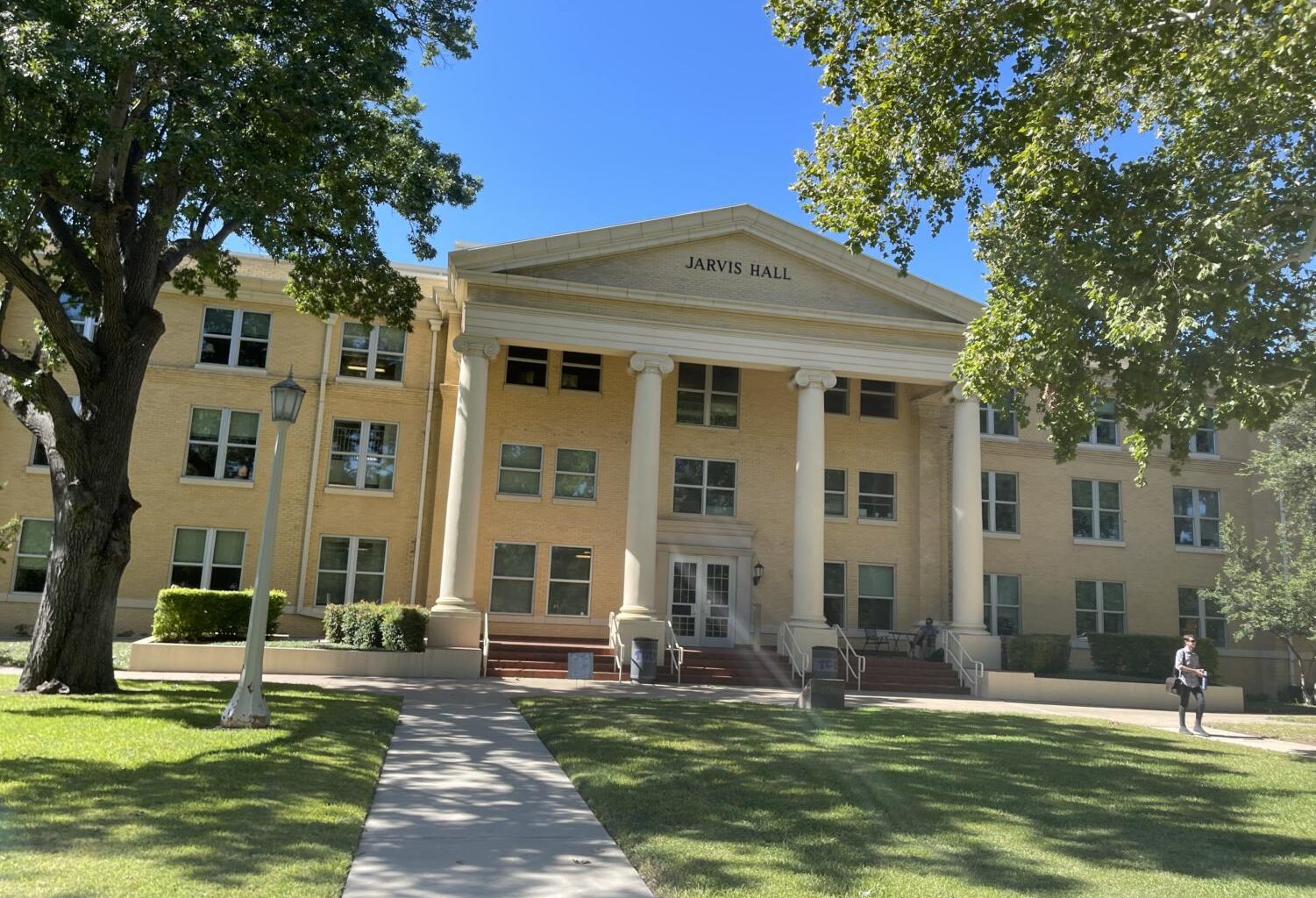
TCU offers walk-in counseling hours, a 24/7 crisis line printed on student IDs, peer support groups and relaxation spaces such as the recharge area in Jarvis Hall. She said peer groups and student success resources tend to be most effective, while early-intervention counseling remains underutilized.
To better support students, universities should focus on building an environment that promotes well-being, including embedded counselors within high-stress majors, flexible academic policies and more faculty training to recognize early signs of burnout.