
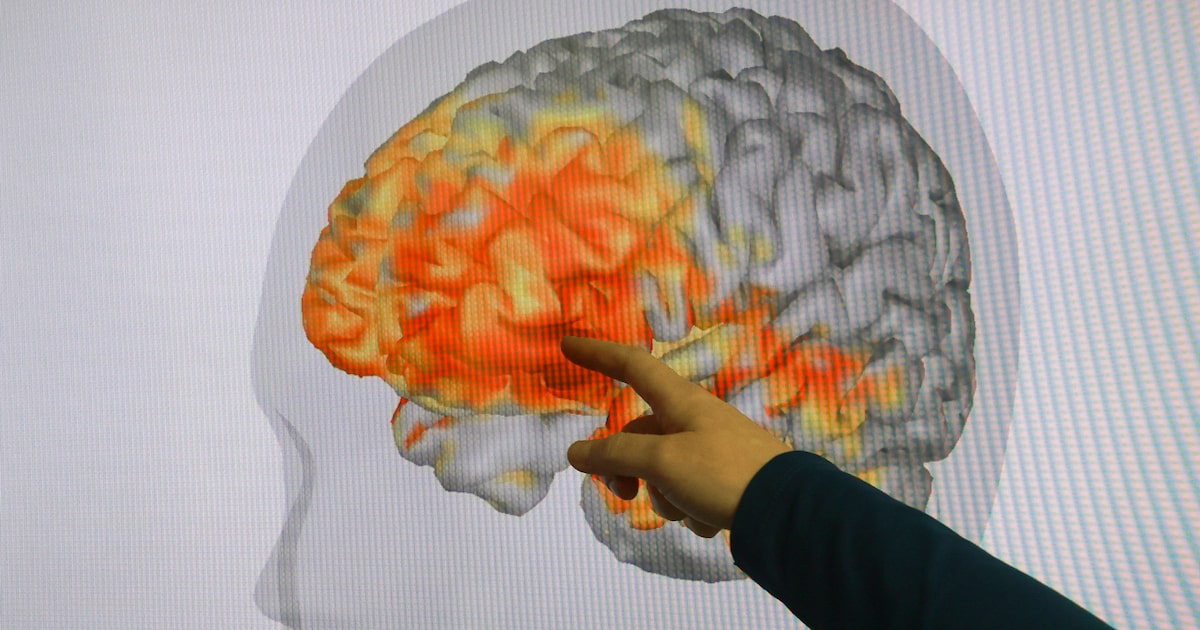
A new study from UT Southwestern Medical Center suggests concussions may be going underreported in lower income and urban school districts across Dallas-Fort Worth.
The study, which was published in December in Sage Open Pediatrics, examined more than 6,300 sports-related concussion cases logged in a statewide concussion database from August 2021 through May 2023. The researchers compared reports by geography — city versus suburban schools — and by school socioeconomic status. They found urban and lower-income districts logged lower concussion rates than higher-income suburban districts despite tending to have more students.
“Concussions are a major issue, with an estimated 15% of school athletes experiencing a concussion at some point that disrupts daily life and academic performance,” Dr. Mathew Stokes, the study’s co-author and an assistant professor of pediatrics and neurology at UT Southwestern, said in a news release.
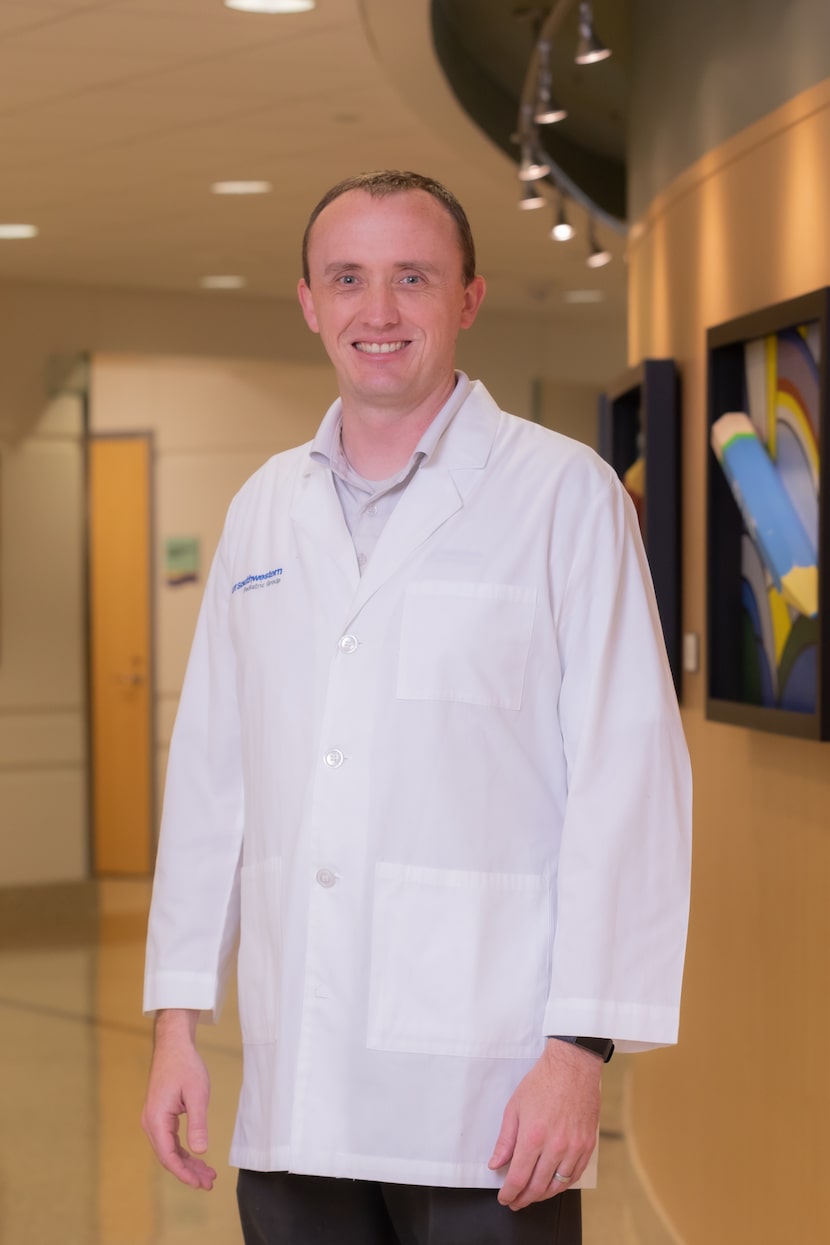
Dr. Mathew Stokes, co-author of the study and an assistant professor of pediatrics and neurology at UT Southwestern.
Mei-Chun Jau
News Roundups
Texas has more student athletes than any other state: About 827,446 students in public and private schools played a sport during the 2022-23 school year. Yet few studies track how often sports-related concussions occur among children in Texas and nationally, and how those rates vary by demographic factors, the authors of the study wrote.
In the D-FW area, the study found districts in lower-income parts of Dallas and Tarrant counties — including Dallas ISD, Duncanville ISD, DeSoto ISD and Fort Worth ISD — showed lower reported concussion rates. The researchers noted that the pattern echoes past findings in which lower-income communities report fewer concussions, suggesting that some injuries are being missed.
“While the differences were small between high socioeconomic and low socioeconomic districts in popular sports such as football, they were far more pronounced in smaller sports with fewer participants, such as wrestling, cross-country, and swimming and diving, as well as activities such as drill team and band,” Dr. Joshua Beitchman, the study’s co-author and a pediatric neurology resident at UTSW, said in the news release.
“This points to awareness and resource allocation as an issue, as lower-resourced districts may struggle to provide awareness training and on-site medical coverage for smaller sports.”
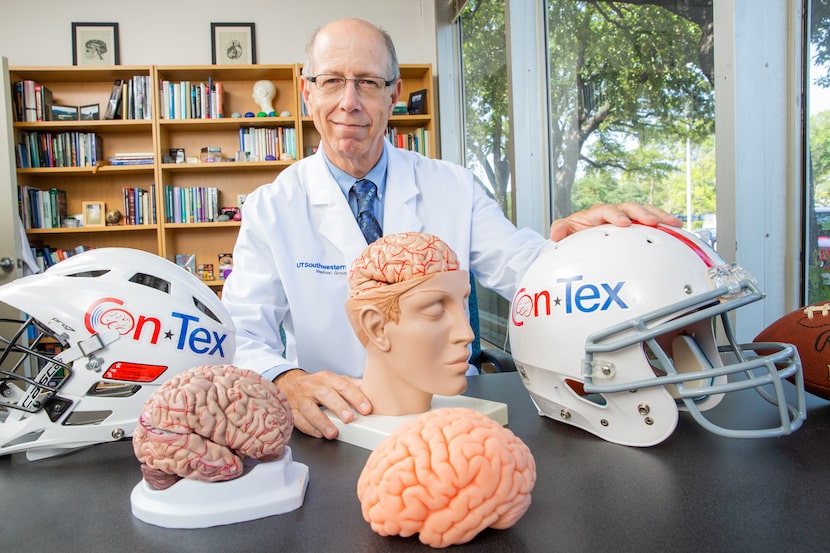
C. Munro Cullum is one of the study’s co-authors and a professor of psychiatry, neurology and neurological surgery at UT Southwestern Medical Center.
Mei-Chun Jau
These findings follow research into risk factors for chronic traumatic encephalopathy, or CTE, a degenerative brain disease that occurs in some athletes, military veterans and other people with a history of repetitive brain trauma.
Related

In contact sports such as football, researchers think CTE risk is tied less to the number of diagnosed concussions and more to a player’s total exposure to head impacts — how many hits they take and how hard those hits are. A 2019 study found the risk of developing CTE doubles for every 2.6 years of playing football.
The prevalence of CTE in the general population is unknown. But a 2023 study of about 150 athletes who played contact sports such as football, hockey and rugby and died before age 30 found more than 40% had early-stage CTE. The medical condition has been reported in people as young as 17.
Other studies have found the kind of turf, whether natural grass or synthetic, can impact concussion risk in young athletes.
“One of the best ways we can improve safety for young athletes is by providing equitable access to concussion awareness and medical resources, regardless of where or what they play,” C. Munro Cullum, a professor of psychiatry, neurology and neurological surgery at UTSW, said in the news release. Cullum is one of the study’s co-authors.
“Unrecognized or unreported concussions can delay treatment and increase the risk of prolonged symptoms, academic difficulties and repeat injury. Our goal is to improve recognition and reporting so these athletes can receive timely, individualized care and reduce the long-term impacts of their injury.”
Miriam Fauzia is a science reporting fellow at The Dallas Morning News. Her fellowship is supported by the University of Texas at Dallas. The News makes all editorial decisions.
 Thirty-four lives saved: One year later, Dallas Fire-Rescue blood program marks successes
As program expands, blood will become available in minutes to patients across Dallas.
 Colossal’s techy new HQ helps Dallas startup be ‘in your face’ with de-extinction mission
The startup provided a look into its new home, and it’s got everything Colossal needs for its future.
 What are ‘meat sweats’? Here’s the science behind the phenomenon
Protein-heavy meals may increase your body temperature.
 Plano dispensary becomes one of first in North Texas to offer medical marijuana onsite
Texas dispensaries can now store and deliver medical marijuana under the expansion of the state’s Compassionate Use Program.