
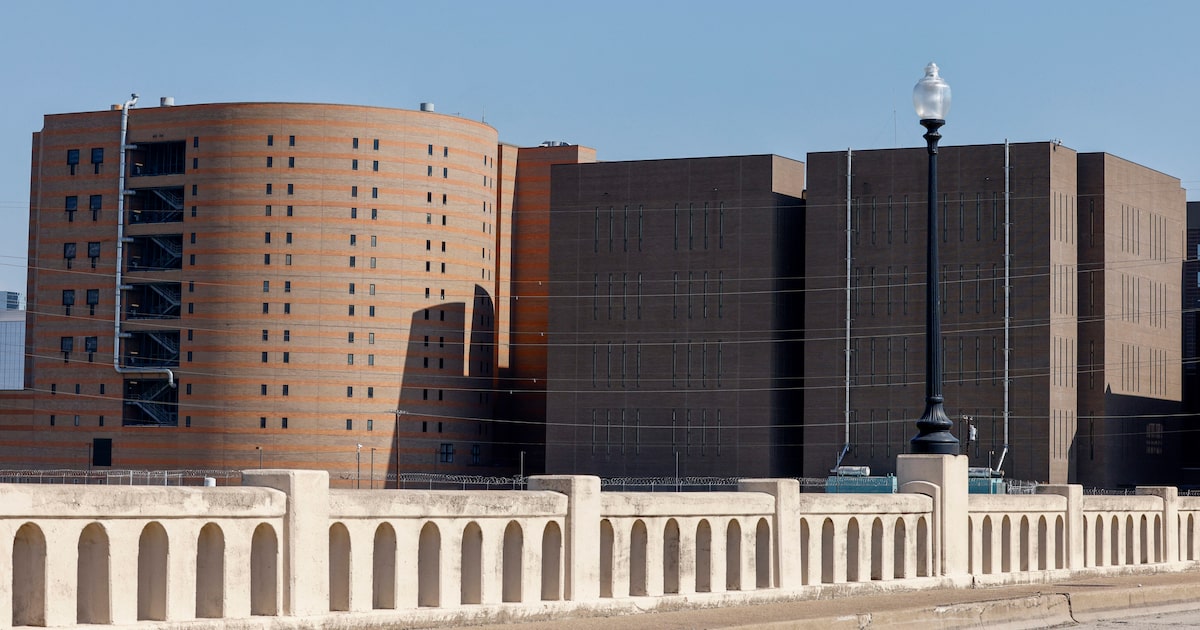
108 days.
That’s how much longer Kenneth Offutt was held in the Dallas County jail after finishing his six-month burglary sentence.
He was released Feb. 12 – nearly four months past his Oct. 27 time-served date – because the sheriff’s office failed to send his paperwork to the state for processing.
What happened to Offutt is part of a series of county lapses that have caused overdetentions for at least three years. Four pending federal lawsuits accuse the county of violating detainees’ constitutional rights with delayed releases. Still, people are being held days, weeks and months past their sentences.
“It’s the system at its most incompetent and inhumane,” said Travis Fife, staff attorney for the Texas Civil Rights Project.
Crime in The News
A sheriff’s office spokesman acknowledged that internal safeguards failed to catch that Offutt should have been freed in October. Sheriff Marian Brown declined to explain what is being done to prevent similar breakdowns.
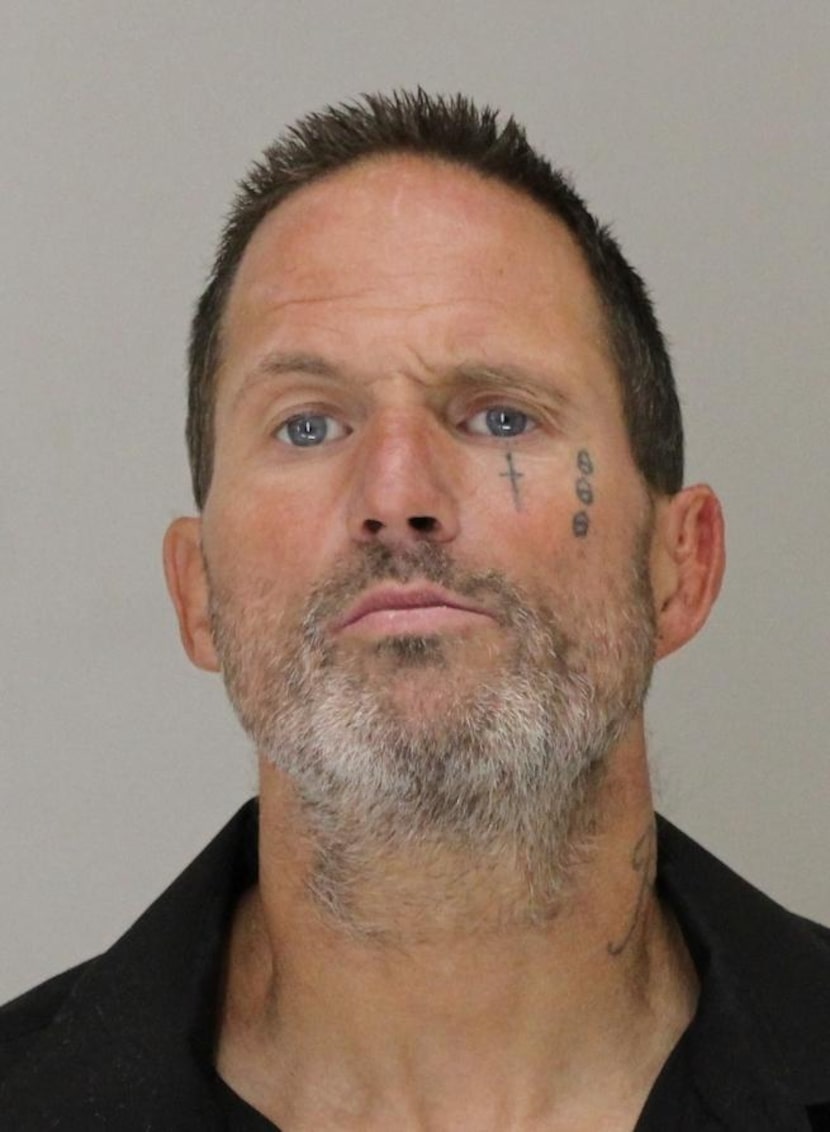
Kenneth Offutt was released from the Dallas County jail on Feb. 12, 2026, 108 days after he completed his sentence.
Dallas County Sheriff’s Office
The courts and jail have operated on separate, incompatible software since May 2023, prompting the district clerk’s office to hand deliver documents to the jail and contributing to some previous delays.
That wasn’t the case this time. The jail had all court records needed to prepare for Offutt’s release six days after he was sentenced, suggesting a broader problem in sheriff’s office operations.
“The check and balance procedure designed to identify mistakes did not occur and is being addressed,” sheriff spokesman Douglas Sisk said, declining to answer further questions.
Offutt languished even as jail population management staff declared the facility was “in a state of emergency.” Throughout most of the four months the sheriff’s office failed to release him, the jail remained above 90% of its 7,499-bed capacity.
It costs $95.58 to house one person in jail each day, meaning Offutt’s overstay cost taxpayers $10,323.
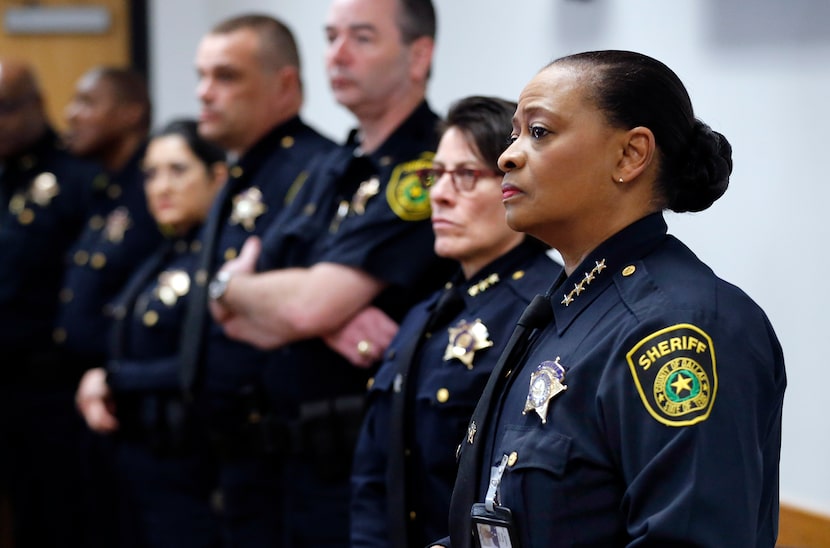
Dallas County Sheriff Marian Brown listens during a press conference at the Frank Crowley Courts Building in Dallas, Friday, January 17, 2020. (Tom Fox/The Dallas Morning News)
Tom Fox / Staff Photographer
‘Rotting away’
Offutt, 48, who could not be reached for comment, was homeless when he walked out of the Lew Sterrett Justice Center Feb. 12, according to his daughter, Kelley Offutt of Mesquite.
He was booked in jail May 2 and pleaded guilty Aug. 28, court records show. A judge sentenced him to six months in state jail with 120 days credit, meaning he should have been released Oct. 27.
District Clerk Felicia Pitre said her office delivered all of Offutt’s court paperwork to the jail on Sept. 3, six days after his sentencing.
The Texas Department of Criminal Justice never picked Offutt up to serve his time in a state facility because the sheriff’s office didn’t transmit his paperwork, TDCJ spokeswoman Amanda Hernandez said.
Sisk said the sheriff’s office was waiting on Offutt’s health form required for transfer to state jails. He declined to answer who was finalizing it but said the office obtained the form on Oct. 2 – 25 days before the sheriff’s office should have released Offutt.
The jail was responsible for transmitting Offutt’s paperwork to TDCJ so the state could confirm he served his sentence and approve his release. Jail officials did not send the packet until Feb. 4, Hernandez said.
Sisk declined to explain what happened beyond saying the office’s protocols failed.
After Offutt was let out Feb. 12, he approached Michael Crosby, a tow truck driver parked near the Lew Sterrett Justice Center waiting on a job. Crosby said Offutt asked to borrow his phone and called a few people asking for a ride with no luck.
“He was trying to go somewhere,” Crosby said. “I don’t know where.”
Kelley Offutt, 20, said her father reached her on Crosby’s phone, but she doesn’t have a car. Their relationship had been spotty over the years as he was in and out of legal trouble and homelessness, she said.
But Offutt had talked with his daughter several months earlier from jail, she said, wondering why he had not been set free.
Fife, the civil rights attorney, said counties’ failures to release people wastes taxpayer dollars but also robs people of their jobs, families and health care. In some instances it could be deadly, he said.
“These overdetention cases are likely the most easily preventable situation of people just rotting away in jail for literally no reason,” Fife said.
Split system
Ensuring people are released when they are supposed to be depends on the district clerk’s and the sheriff’s offices each performing their duties, but it can be difficult for attorneys and the public to determine where a holdup is occurring in real time.
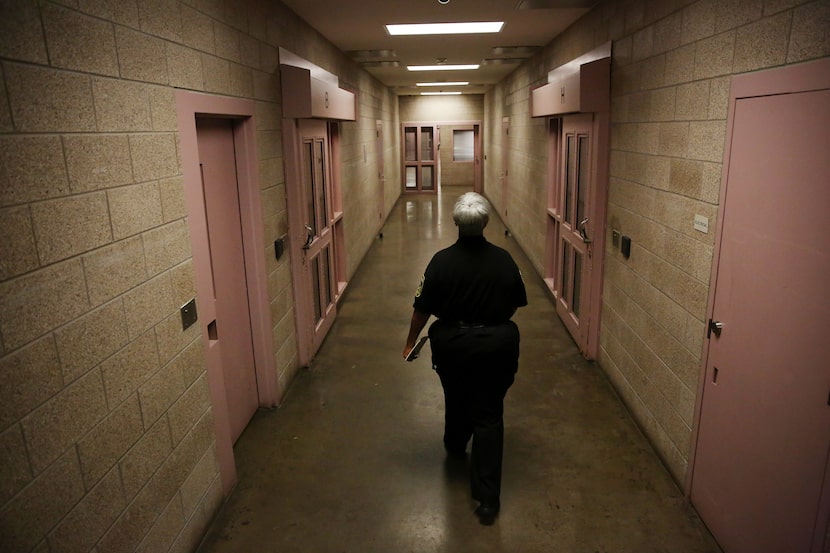
Inside the Kays Tower at Lew Sterrett Jail in Dallas Tuesday September 12, 2017. (Andy Jacobsohn/The Dallas Morning News)
Andy Jacobsohn / Staff Photographer
When the criminal courts transitioned to the Odyssey software in May 2023, the jail remained on Adult Information Systems and the two software cannot communicate.
Since 2023, some overdetentions have resulted from the district clerk’s office failing to provide judgments to the jail on time, according to lawsuits filed by Dallas attorney Jim Spangler. In other instances, clerks have inserted errors into sentencing documents, causing the state to send them back for corrections before a release.
District Attorney John Creuzot has since assigned two lawyers to check the judgments with district clerks to help prevent mistakes.
Pitre, the district clerk, said her office hand delivers most court paperwork to the sheriff’s office within the same complex. She requires the sheriff’s office to initial documents to confirm receipt.
Spangler said he’s not convinced the incompatible software is the root of all ongoing problems.
The court’s transition hindered the district clerk’s office for a period, but the jail software didn’t change – so it doesn’t explain continuing operational delays from the sheriff’s office, he said.
Spangler said he is reviewing 20 more overdetention cases beyond the four federal suits he has filed. Some include failures to release people on bond or to probation – many, he said, suggest delays within the sheriff’s office.
The county in court filings has denied violating the rights of incarcerated people.
Separately, the Commissioners Court has approved two overdetention settlements for $60,000 and another for $100,000 since 2024.
“I find myself quite surprised that they have not taken steps to handle this specific problem,” Spangler said.
Bermuda Triangle
Last year, an intern in the Dallas County Public Defender’s Office reviewed a sample of 63 cases from fiscal year 2025 and determined 11 of those people were held between five and 33 days past their sentence. One was held 128 days too long, Lauren Farley found. Another 11 spent 24 to 36 hours extra in jail.
When attorneys realize a client is still in jail when they shouldn’t be, they can’t always confirm the reason. Farley compared it to a bureaucratic Bermuda Triangle.
“No one takes accountability but somehow they get out,” Farley said in a July presentation to a group of attorneys, judges, county staff and others.
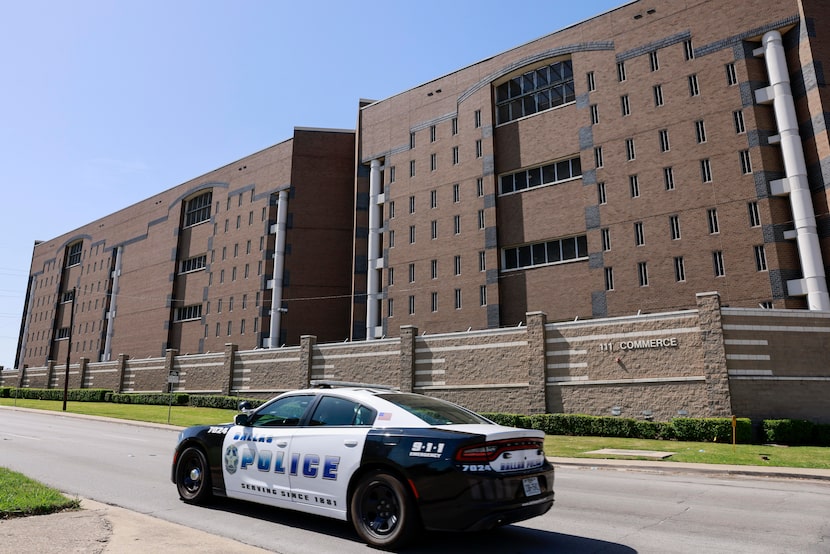
A Dallas police patrol car drives along Commerce Street outside the Dallas County jail in Dallas, Monday, April 18, 2022.
Elias Valverde II / Staff Photographer
The county in 2023 purchased Odyssey’s twin software for jails for $2 million but it has not been implemented. In September, Brown, the sheriff, told a Dallas County Commissioners Court committee she’d rather try to integrate the jail’s AIS with Odyssey than switch to the new software, a decision backed by Chief Information Officer Justine Tran.
Jamie Gilespie, a representative of Odyssey’s vendor, previously said its courts software is not compatible with the jail’s AIS. If it were, she said, the two would have already been integrated.
Neither Tran, Dallas County Administrator Darryl Martin nor County Judge Clay Lewis Jenkins responded to requests for comment about how the integration efforts are going.
Before he was sentenced, Offutt wrote his judge from jail asking her to reduce his felony burglary charge to a misdemeanor.
He said he had a job lined up. He was praying often. He regretted being in court again. Offutt had struggled but said his life had “great promise.”
Instead of getting a break, he served four months longer than the judge ordered.
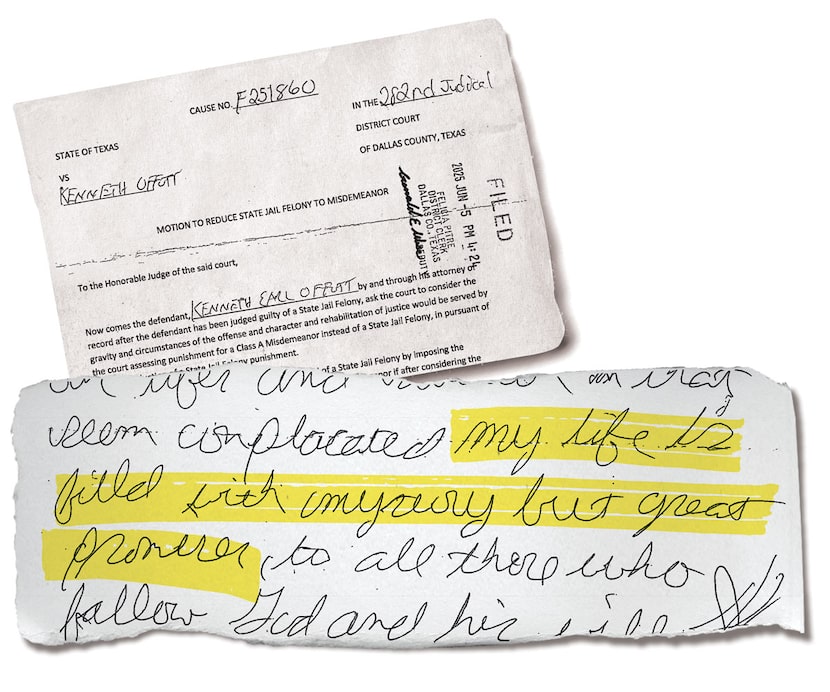
An excerpt from a letter Kenneth Offutt wrote to his judge from the Dallas County jail in June shows him explaining his life has “great promise.”
Michael Hogue / Michael Hogue
108 days too long
A release date missed: Kenneth Offutt should have been freed in October. Instead, he remained in jail 108 more days because the sheriff’s office didn’t send his paperwork to the state.Repeat failures: Four federal lawsuits against Dallas County say people have been jailed days and weeks too long.Fix still unclear: The sheriff’s office acknowledged internal failures but has not detailed how they will prevent future wrongful detentions.