
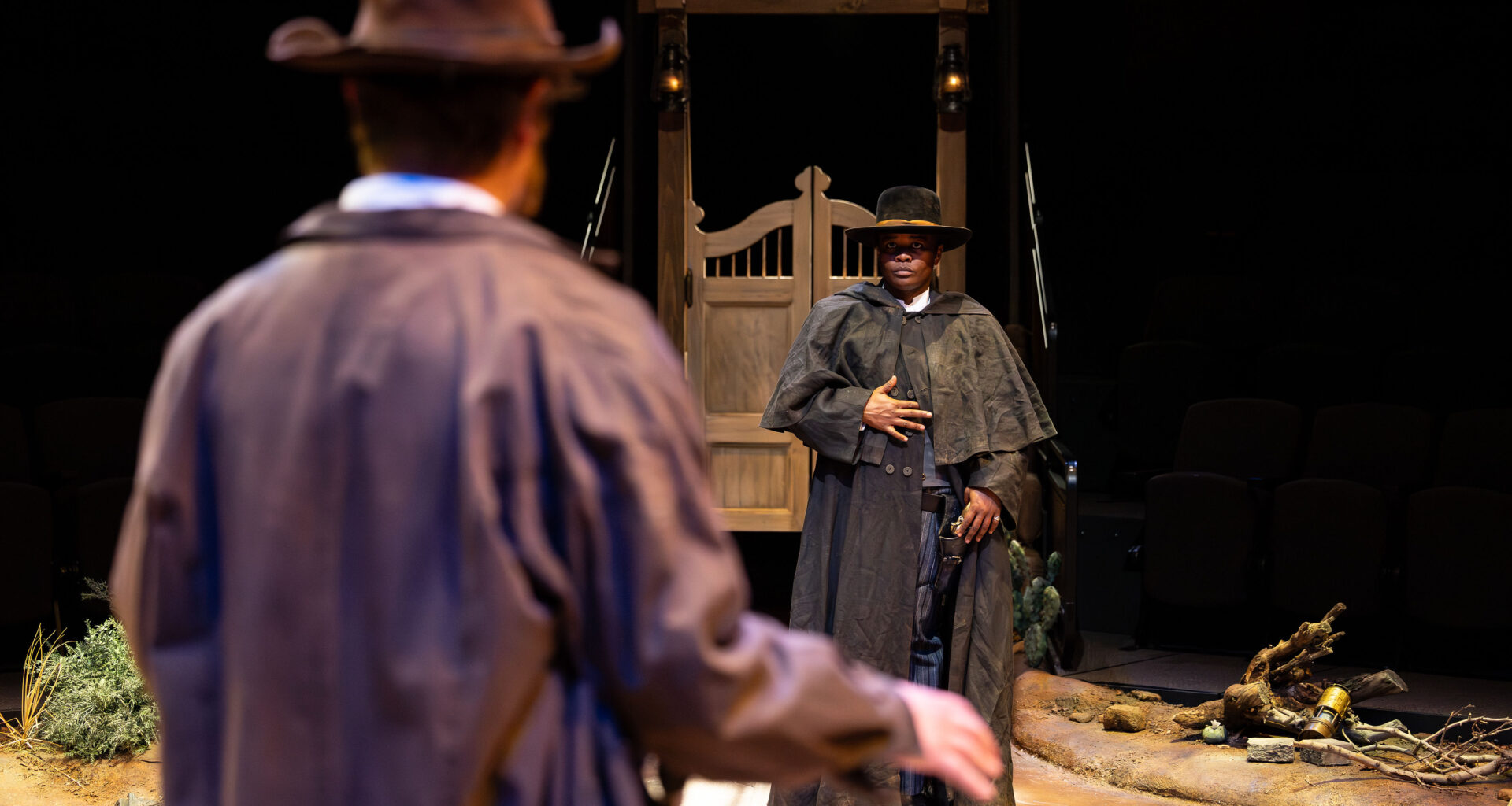
As part of Black History Month, it seems most fitting to hone in a bit on a lesser-known topic but something quintessentially Colorado: Black cowboy culture.
That’s the inspiration behind the new play “Godspeed,” a creative twist on a Western set in Reconstruction Era Texas, on stage at the Denver Center’s Kilstrom Theatre through this weekend.
The story follows a woman’s travels across post-Civil War Texas in search of revenge. She has one person in mind — and one bullet to do the job.
Today, as part of our series highlighting Colorado’s vibrant theater scene, we “Raise the Curtain” on “Godspeed” playwright Terence Anthony. The show was originally introduced to local audiences during the 2024 Colorado New Play Summit and has now made its world premiere.
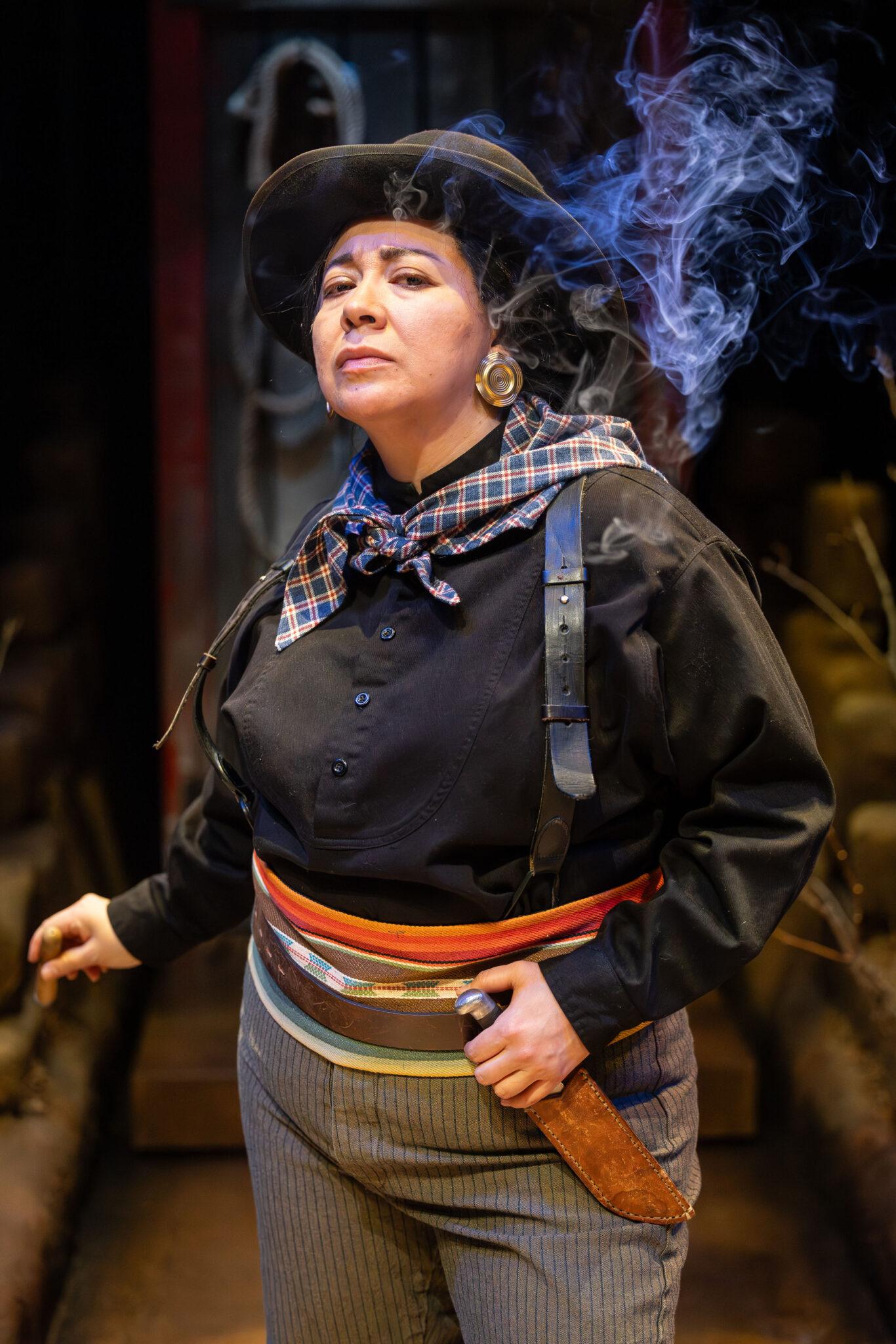 Erica Cruz Hernández as Peklai in “Godspeed” at the Denver Center.
 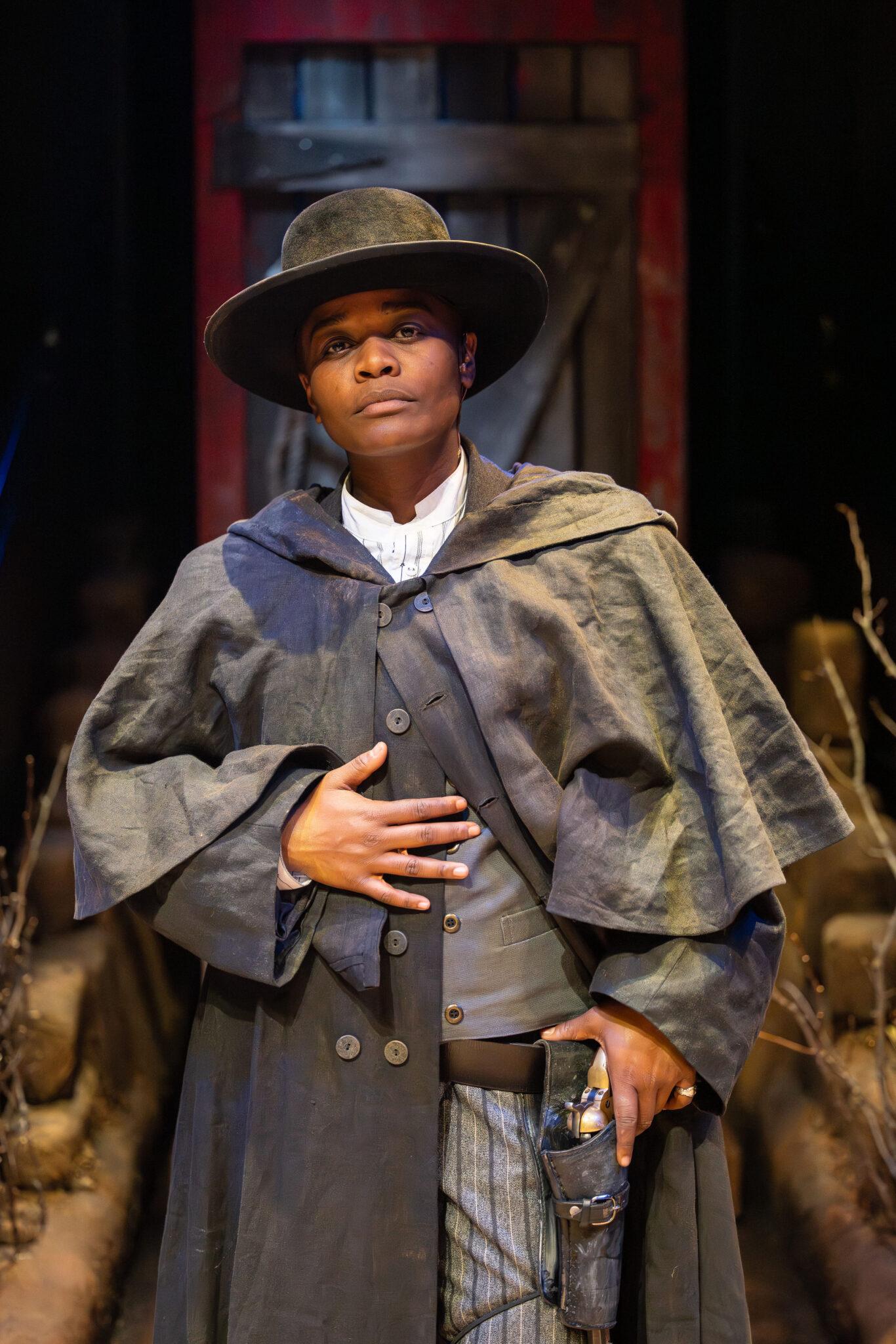 CG as Godspeed at the Denver Center’s Kilstrom Theatre.
This interview has been lightly edited and condensed for clarity.
Chandra Thomas Whitfield: Can you explain what “Godspeed” is about and what audiences will see when they come to the theater?
Terence Anthony: “Godspeed” is a play set in 1865 Texas, a few months after the very first Juneteenth, when the Union Army rolled into Texas and General Granger read out Public Proclamation No. 3, which basically announced that all slaves were free.
This is a couple of years after the Emancipation Proclamation. Texas took their time before they decided to free their slaves. The play chronicles the journey of a formerly enslaved woman who had escaped to Mexico years before. Now that she knows she’s free, she’s returned to Texas with a gun with one bullet and vengeance on her mind.
The play is her journey across Texas as she goes on this mission and on the way discovers what the meaning of freedom is at that time, which is very different than what she expected to find when she comes back.
Whitfield: And I want to emphasize what you said. The lead character is a woman, which in many ways challenges the traditional Western narrative. Why was it important to make that choice?
Anthony: It took me a while to really find who the protagonist of this story was going to be. I knew I wanted to write something set during this time. I wanted it to be a Western. And as I was researching, reading old digitized newspapers of the time, I came across what was the equivalent of a classified ad back then. The newspaper subscriber was announcing that they were no longer going to pay any debt or debts incurred in his name by his Negro servant Flora. And I read that and I was like, “Oh man, that’s just amazing.” The idea that a slave was running up debts in her master’s name. Right then I knew who the main character was going to be.
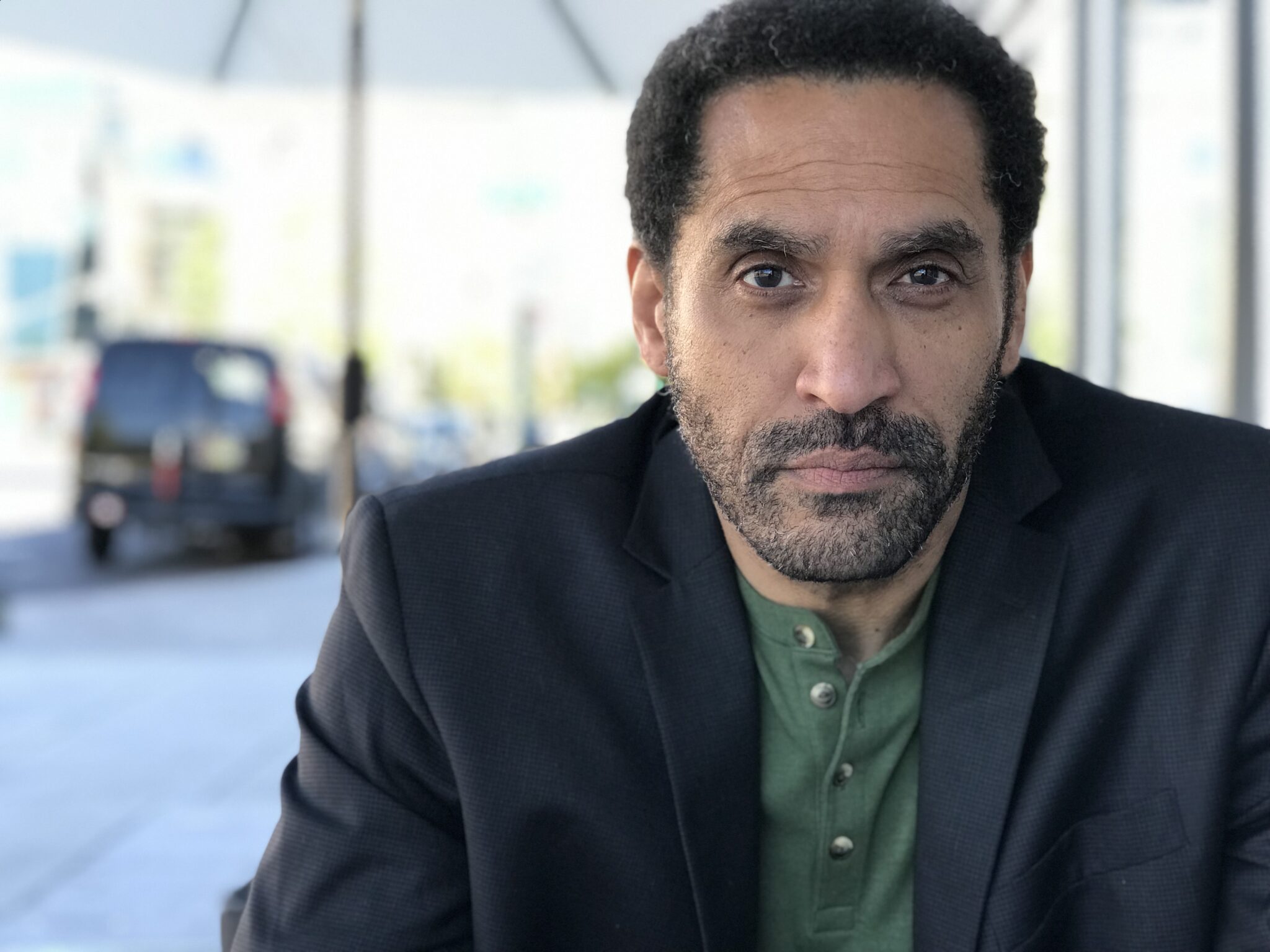 Courtesy DCPA”Godspeed” playwright Terence Anthony.
I found that hilarious. Just the boldness of the character to run up a debt in her owner’s name. You chose to set the play in 1865, right at the end of the Civil War. Why was that moment so important to you as a playwright?
Anthony: As a playwright, I’d like to find stories that are untold. A lot of that revolves around Black history. For me, I’m really interested in the period following slavery up until the Civil Rights Movement. I feel like that’s a moment, that’s an era in history, that is really undertold.
The origin of the play really came from me thinking, “I need to know what happened right after the first Juneteenth.” What was it like? The transition from slavery into the first year or so of “freedom.”
And in researching it, I really was shocked at all the things that I didn’t know. I hadn’t ever heard of the Freedman’s Bureau, which was the government agency created to help enslaved people transition into a life of freedom, and the way they recorded the outrages and murderers. The violence that happened against formerly enslaved people at that time was really pretty shocking. That period of time really connects to where we’re at today, what our society is like.
The social relationships we have today are way more clear when you look at post-slavery than when you look at the time when slavery was a reality.
“Godspeed” – One Bullet
Whitfield: You said writing a woman as the lead opened up a new emotional territory and allowed you to explore strength, vulnerability, humor, and rage in a different way. Tell us about that.
Anthony: It’s a kind of story that we haven’t really seen a lot of or enough of. On many levels, I wanted to write a play that was something we don’t see very often on stage. I think within the genre of the Western, women, along with Black folks, have been criminally underrepresented.
With the character of “Godspeed” being a woman, it does make you lean forward a little more, I think, where you really don’t know how this person is going to get to where they need to go.
It adds another layer of conflict, another layer of challenges, that I think make the story much more interesting than if the character was male.
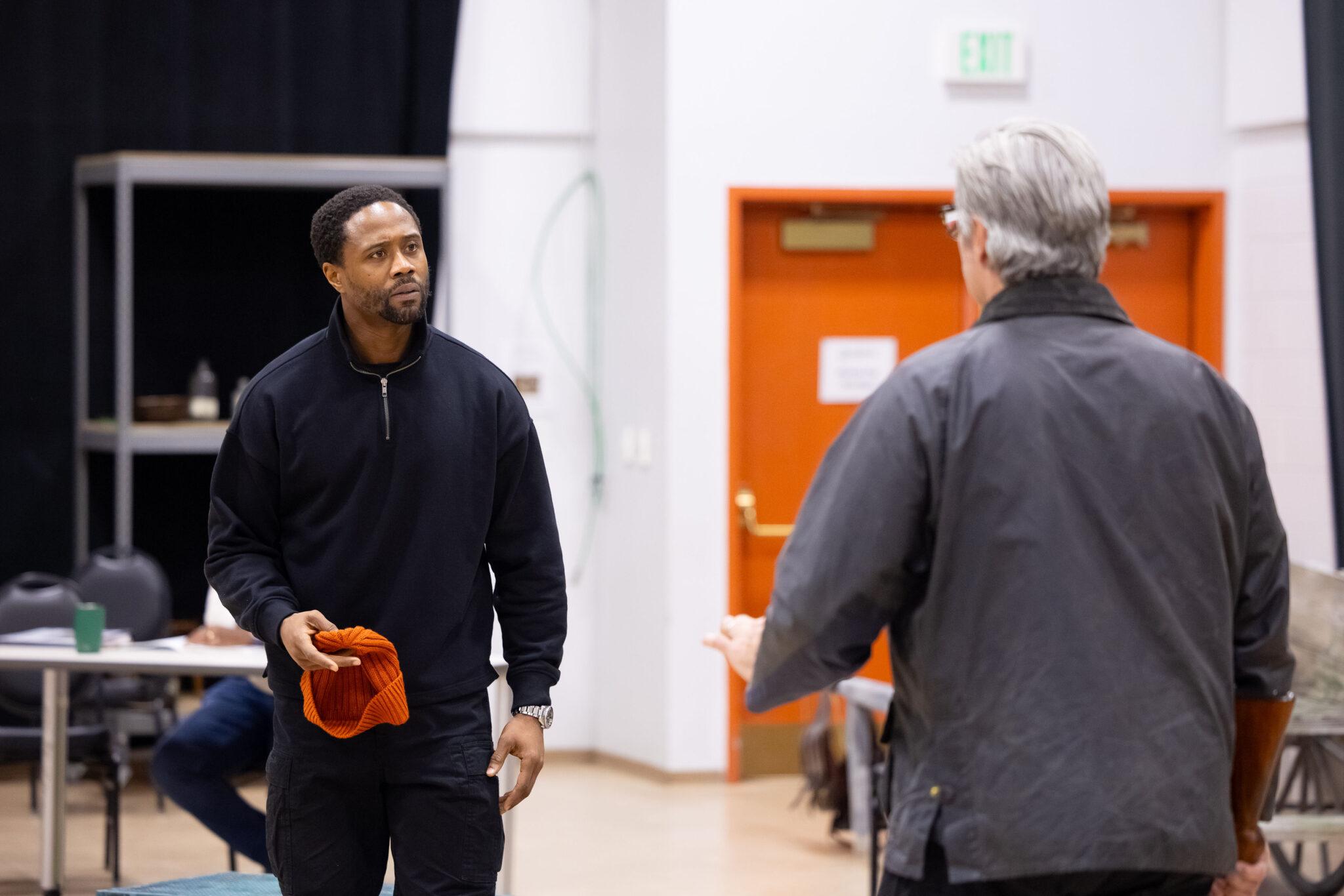 Actors Khiry Walker (left) and Gareth Saxe rehearse for “Godspeed.”
 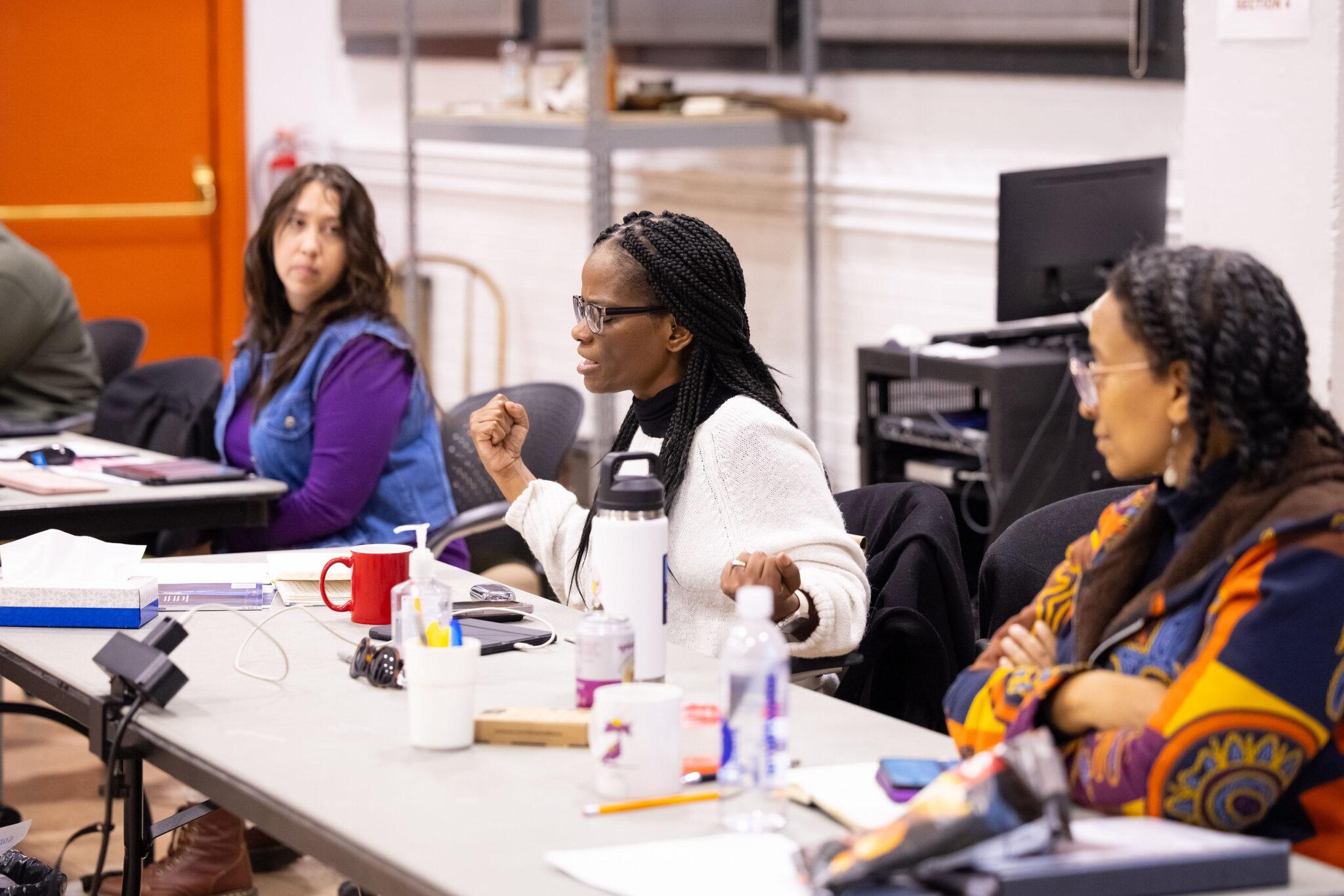 Director Delicia Turner Sonnenberg during rehearsals for “Godspeed.”
 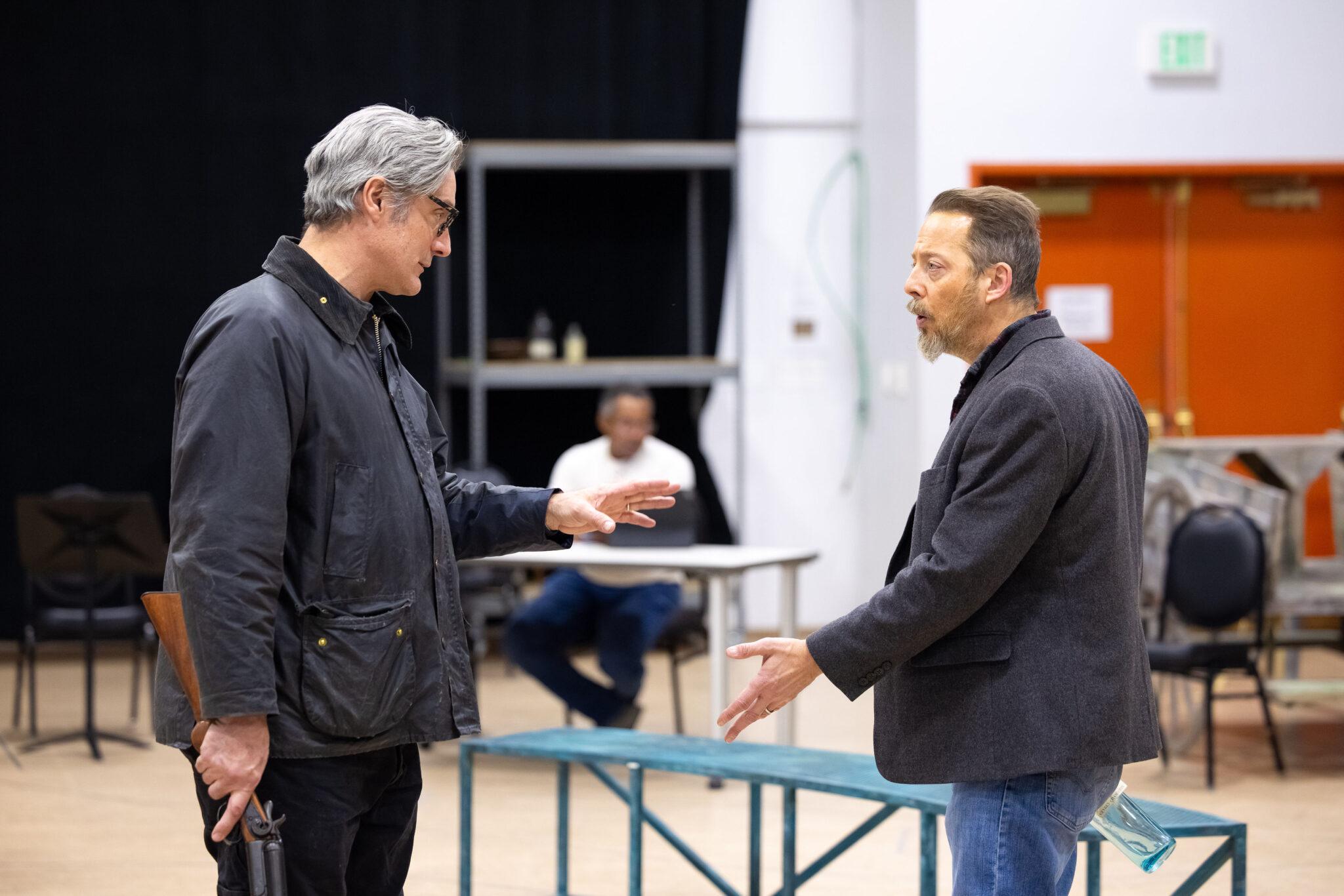 Actors Gareth Saxe (left) and Christopher Halladay rehearse for “Godspeed.”
Black cowboy culture plays an important role in “Godspeed.” When you were researching the play, what surprised you most as you dug deeper into that history?
Anthony: Great question. I’d known before because I’d worked on a show called “Lawmen: Bass Reeves,” on Paramount+, and had done quite a bit of research into Black cowboy culture beforehand.
Realizing that over 25% of cowboys were Black back in the day.
We’ve all been brainwashed by old Hollywood, which took that and just wiped out the people of color in the West in the old movies and stories. Just realizing just how diverse Western culture actually is at its roots.
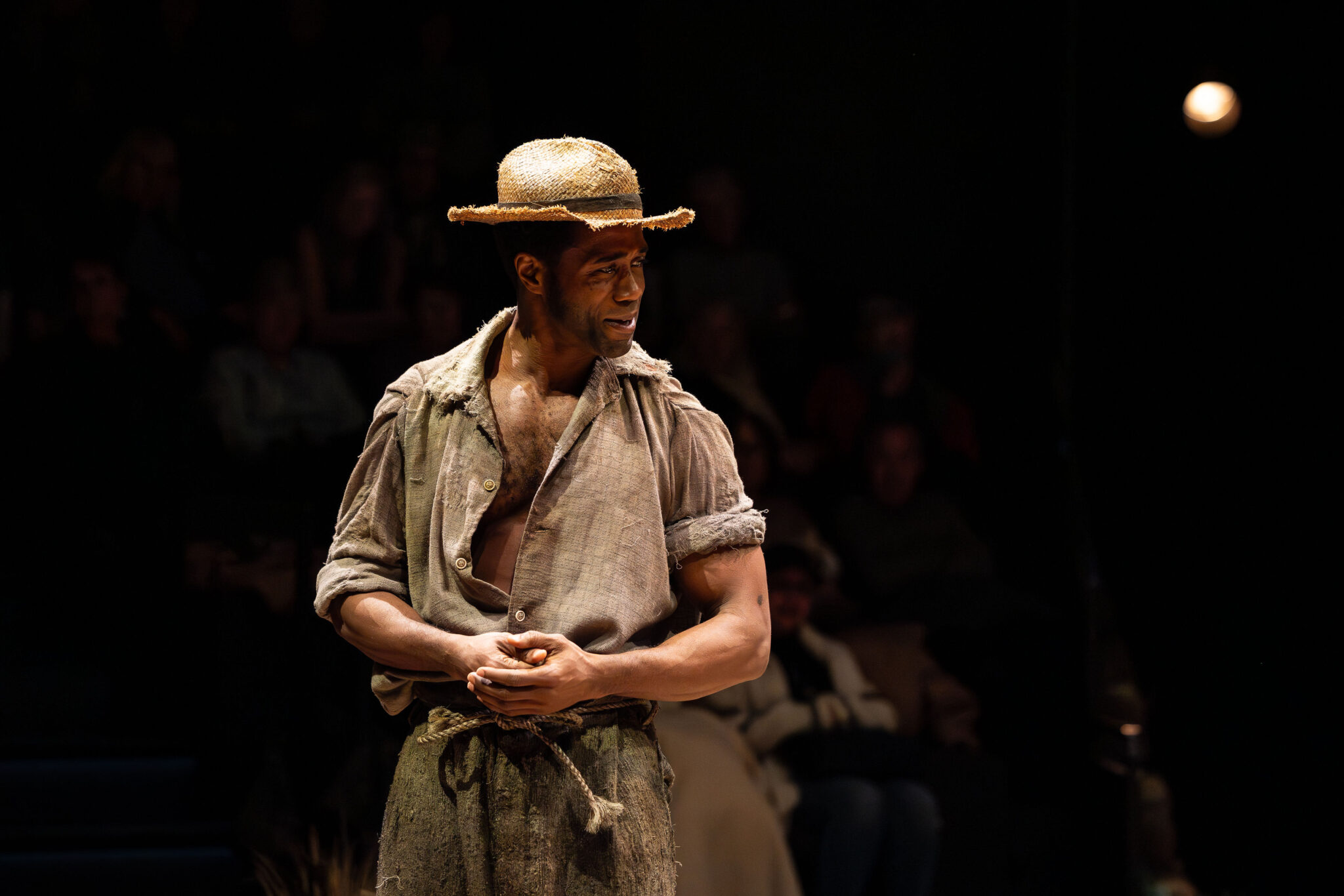 Courtesy DCPA/Jamie Kraus Photography LLCActor Khiry Walker as Pettus in “Godspeed” at the Denver Center.
Whitfield: Colorado, of course, is very deeply entrenched in cowboy culture. Did any aspects of Colorado’s Black cowboy history influence your research or creative thinking for the play?
Anthony: Not directly, but I know that Denver does have a rich Black cowboy history, and it’s been very exciting to learn about that and experience that while I’m here as well.
Whitfield: I heard the cast had a pretty remarkable excursion down to the Black American West Museum, which is located in Denver’s historic Five Points neighborhood. What’s one fascinating fact that you’ve learned about Colorado’s Black cowboy culture?
Anthony: Yeah. We had a great time going to the Black American West Museum. Thank you, Ms. Daphne (Rice-Allen, Black American West Museum Board chair) and all the folks there who showed us around a really amazing, beautiful exhibit.
Everybody needs to go experience the Black American West Museum. Ms. Daphne just took us to school. She gave us all the details we needed to know about the Black West in Denver and the important folks that were a part of that. One of my favorite things was that she gave us a really detailed account of what bulldogging was and how Black cowboys really invented it. The idea of pulling a bull out of mud by biting down on its lip was a very interesting detail about bulldogging that I had no idea.
Whitfield: Ultimately, what do you hope audiences will take away from “Godspeed”?
Anthony: I think it’s for someone who wants to see a rollercoaster ride of a play, a play that tells history that is untold but also tells it in a way that focuses on action and character. There are some laughs as well. It’s not just a slog through history.
I want folks to come away, first of all, thinking this was a fun ride we’ve been on, and then start thinking about what things have been like post-slavery and what we haven’t been told in history.
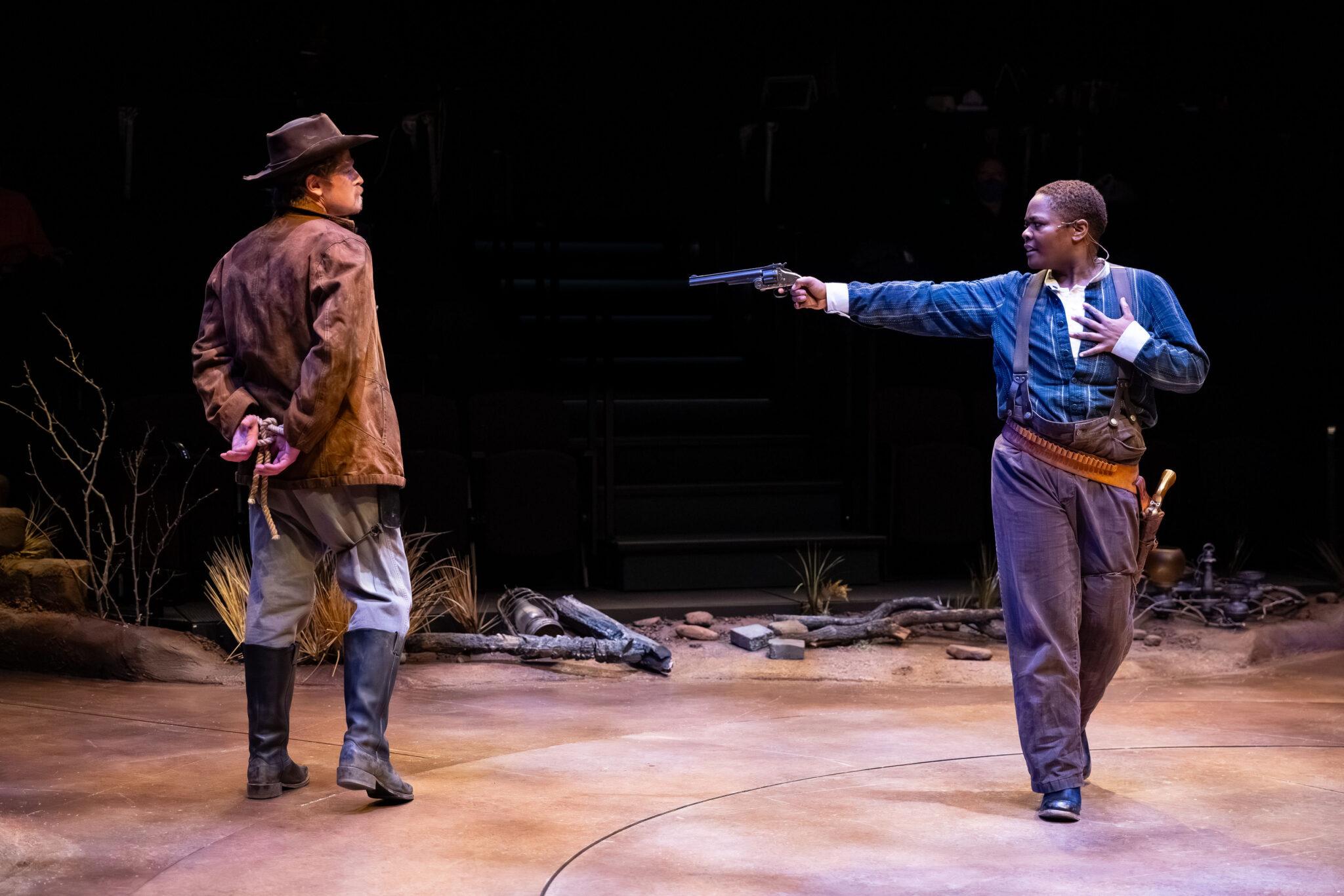 Courtesy DCPA/Jamie Kraus Photography LLCActors CG (right) and Colton Pratt in “Godspeed.”