
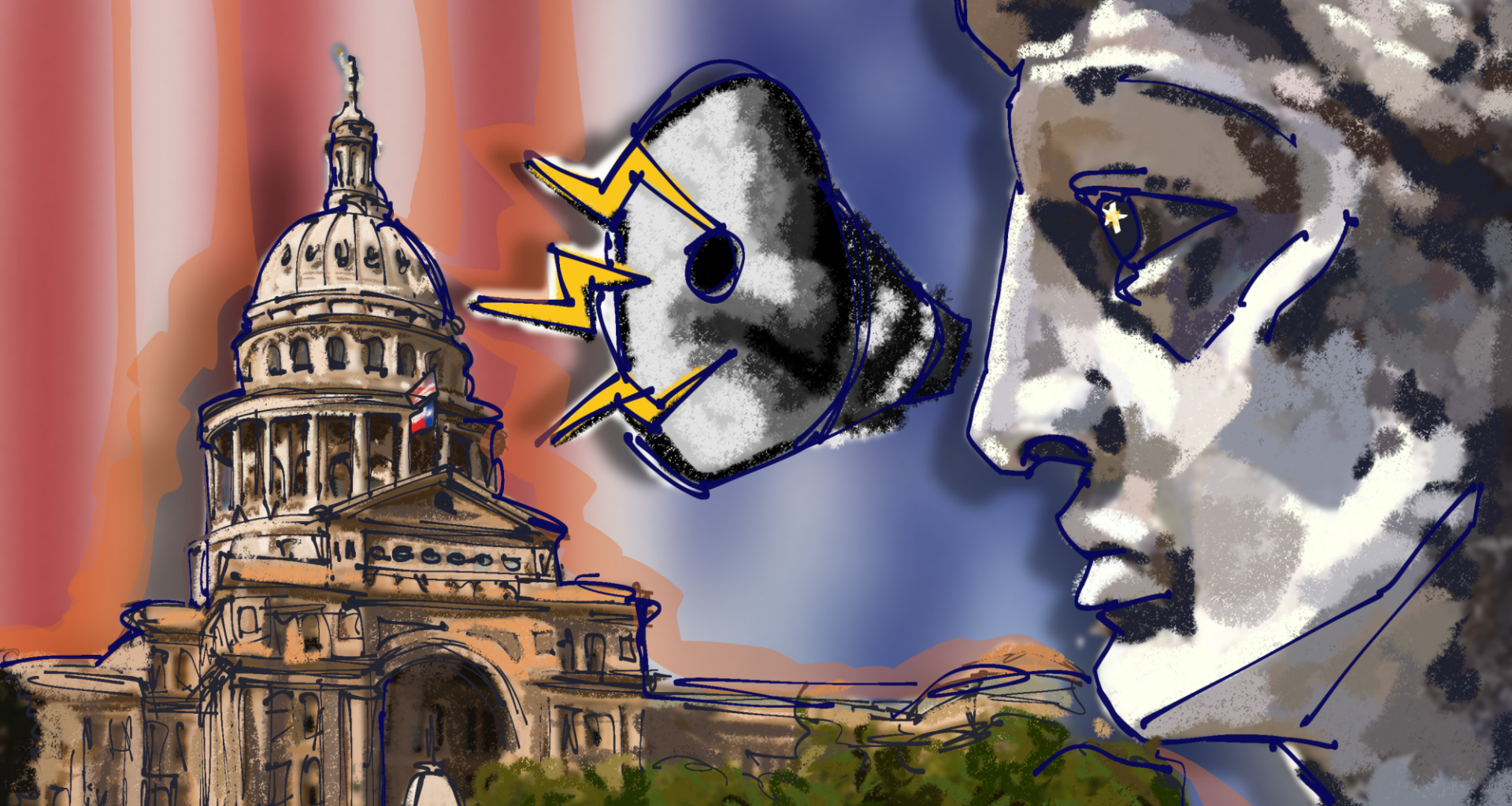
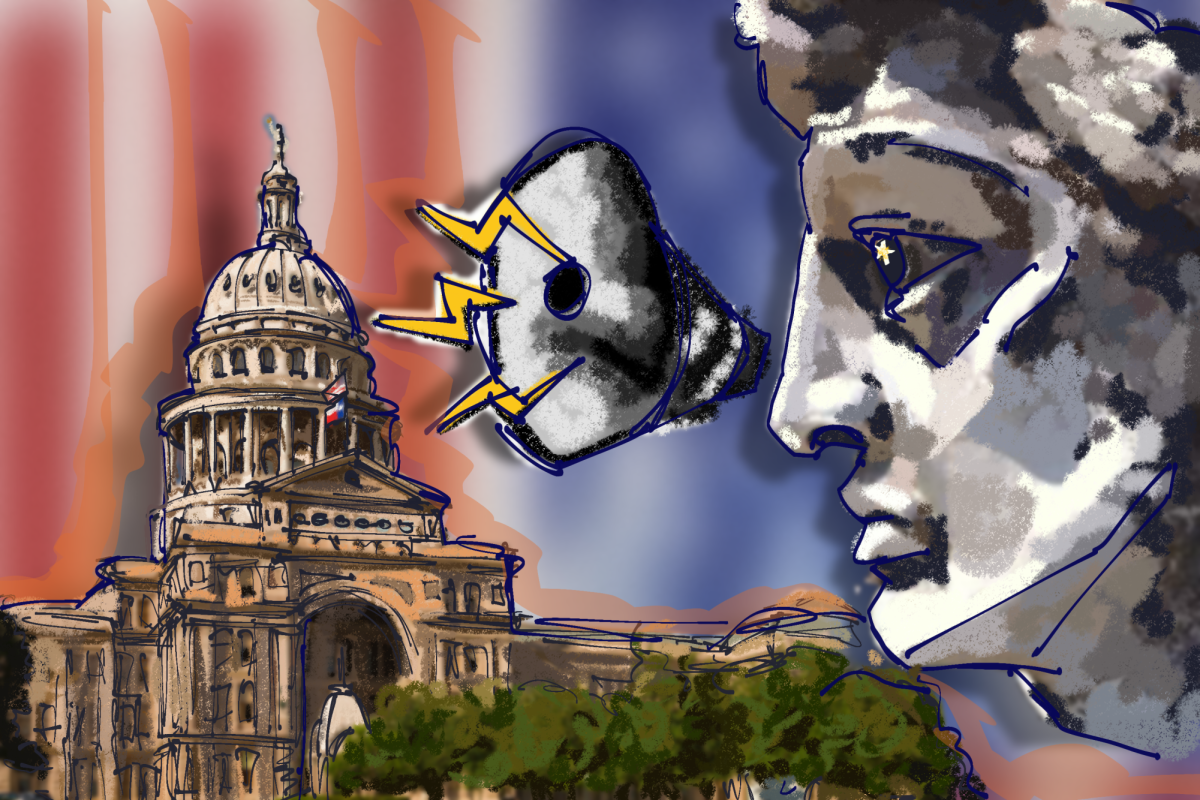
The UT Board of Regents approved a new initiative to limit classroom discussion of “controversial topics” on Thursday.
These limits include attempts to “coerce, indoctrinate, harass, or belittle students, especially in addressing controversial subjects and areas where people of good faith can hold differing convictions” and the exclusion of “controversial or contested matters” from course syllabi. The regents fail to state what qualifies as coercion, or what topics are considered off-limits, leaving definitions to state and university leaders.
The policy follows a series of unprecedented attempts by state legislators and University admin to limit academic discourse and entrench conservative ideology into public education. This pattern spans years; including Senate Bill 17, which banned DEI-related practices; Senate Bill 37’s creation of president-appointed committees to determine curriculum; the Board of Regents’ institutional neutrality policy and its prohibition of political statements; and most recently, UT’s decision to consolidate racial, gender and cultural departments.
Republican lawmakers dominate the state of Texas, and as one of the state’s flagship institutions, political overreach is already written into University governance. The governor selects the members of the Board of Regents, who select the University president, who is then responsible for hiring provosts, deans and other academic leaders. The resulting leadership is overwhelmingly partisan, yet these policies seek to go further and allow lawmakers to take a more active role in curriculum.
While legislators have always determined UT’s bureaucracy, they now seek to permanently preserve conservative control over all aspects of the University.
These policies target faculty, who are the lifeblood of every university and who are already uneasy about UT’s policies. In 2024, the Texas chapter of the American Association of University Professors reported 26% of faculty planned to interview for positions at other universities following SB 17. In 2025, a Daily Texan survey revealed about 40% of faculty members changed their course materials following SB 37, and about 60% said they considered leaving UT altogether. As a student journalist, I’ve witnessed faculty’s anxieties firsthand.
When I started as an opinion columnist in 2024, I could always count on faculty sources to support or negate my arguments. Although I often covered controversial topics like free speech and weapons divestment, I was always able to find at least one faculty member to speak to, and once even spoke to eight professors in one week.
However, my current columnists can no longer rely on faculty input. Many ask instead to be referred to as private citizens, request anonymity or decline to comment completely. Professors, who are experts in their chosen fields, refuse to discuss topics for fear of professional retaliation. State leadership is waging a culture war on academic freedom, and students are its casualties.
The Board of Regents’ decision echoes President Davis’ “Texas Statement on Academic Integrity” last semester, which claims public trust in academics has declined due to an increase of partisanship in higher education. Davis’ statement is evidenced by the permeating belief that higher academics, especially students and faculty, has become increasingly liberal. The Regents’ decision seeks to rectify the problem by exposing students to multiple viewpoints or eliminating controversial discussion completely.
However, the new initiative does not remove partisanship from higher education. In fact, it further enshrines political ideology into classrooms by giving the University the power to decide which ideas are “controversial” and to limit academic debate. As a public university in the nation’s largest red state, conservatives do exist at UT, and they should have the ability to express themselves without fear of retaliation. However, these actions are a dramatic overcorrection by state leaders that will simply push the dominant ideology to the right instead of solving the problem.
This decision will not foster neutrality. It is the inevitable increase of censorship in academia due to political pressure.
Last year, our editorial board predicted that with SB 37’s passage, long-standing, important courses would be overlooked and eliminated in favor of political agendas. Today, these policies seem to be doing exactly that. Texas journalists’ and politicians’ warnings of conservative overreach are no longer predictions — they are policies.
This letter is as much a call to action as it is a column. Students, your freedom of speech is on the line. You must take action now — write to your representative, protest peacefully but loudly, vote these politicians out of office. Make your voices heard while you still can.
Saunders is a journalism and government junior from Wheaton, Illinois. She is the editor-in-chief.